
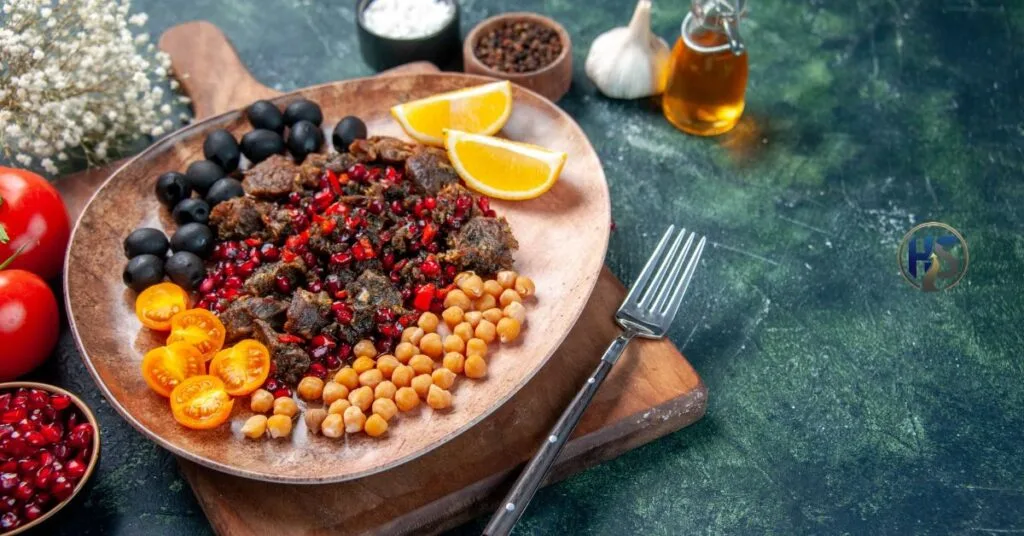

Piçada is an emerging culinary and nutritional concept rooted in Mediterranean and Iberian cooking traditions. In the context of food and health, “piçada” refers to a finely chopped or crushed blend of herbs, nuts, aromatics, and healthy fats used to enhance flavor, texture, and nutrient density in dishes. These mixtures are closely related to the Catalan culinary base known as picada, which has been used for centuries to enrich soups, stews, seafood, and vegetable dishes. Today, nutrition researchers and chefs increasingly recognize picada-style preparations as a powerful way to combine taste, micronutrients, and functional health benefits in everyday cooking.
The Culinary Meaning and Cultural Origins of Piçada
Piçada originates from traditional Iberian and Mediterranean kitchens, where cooks relied on simple, natural ingredients to intensify both flavor and nutritional value. Historically, these mixtures were prepared by grinding ingredients with a mortar and pestle, allowing oils, aromas, and nutrients to blend into a concentrated flavor base.
The cooking ideas behind piçada are similar to those in the Mediterranean diet, which focuses on healthy foods like herbs, olive oil, nuts, and fresh fruits and vegetables. By mixing these ingredients into a finely chopped blend, cooks make a healthy addition that enhances dishes while keeping a fresh, natural taste.
Nutritional Profile: Why Piçada Is a Functional Food Blend
The nutritional value of piçada comes from its diverse ingredient composition, which often includes garlic, parsley, nuts, olive oil, spices, and sometimes toasted bread or citrus. These ingredients contribute a wide range of essential nutrients that support overall health.
Key nutrients typically found in picada mixtures include:
- Monounsaturated fats from olive oil that support cardiovascular health
- Antioxidants and polyphenols from herbs and spices that combat oxidative stress
- Plant proteins and healthy fats from nuts such as almonds or walnuts
- Vitamins K, C, and folate from fresh herbs like parsley and cilantro
- Sulfur compounds in garlic that support immune defense
Because these ingredients are minimally processed and nutrient-dense, picada functions not only as a flavor enhancer but also as a nutritional booster.
Health Benefits of Piçada-Based Cooking
From a nutritional science perspective, picada-style preparations offer several evidence-based health advantages. The ingredients commonly used in these mixtures are associated with reduced risk of chronic disease and improved metabolic health.
Cardiovascular Protection
Olive oil and nuts are rich in heart-healthy fats that support healthy cholesterol levels and reduce inflammation.
Antioxidant Defense
Herbs, garlic, and spices contain bioactive compounds that help neutralize free radicals and support cellular health.
Reduced Sodium Dependence
Because picada provides intense flavor naturally, it allows cooks to use less salt, which supports healthier blood pressure levels.
Digestive Support
Garlic and herbs stimulate digestive enzymes and promote gut microbiome balance.
Collectively, these properties make it a powerful addition to preventive nutrition strategies and wellness-oriented diets.
Traditional Ingredients That Define Picada
Although recipes vary by region, most picada mixtures share a core set of natural ingredients that work together to create both flavor and nutrition.
Common ingredients include:
- Garlic
- Parsley or cilantro
- Olive oil
- Almonds or walnuts
- Lemon juice or vinegar
- Toasted bread crumbs
- Paprika or chili flakes
These components are typically crushed or finely chopped, allowing oils and phytochemicals to blend into a concentrated mixture that enhances both taste and nutritional value.
Piçada in Mediterranean and Global Cuisine
Piçada and similar culinary techniques appear across multiple food cultures, particularly in Mediterranean cooking. These blends are commonly used to finish soups, thicken sauces, or add aromatic depth to dishes.
Typical culinary uses include the following:
- Enriching seafood stews
- Finishing vegetable dishes
- Adding flavor to roasted meats
- Enhancing grain bowls or legumes
- Garnishing grilled fish
Because these mixtures rely on whole ingredients rather than processed condiments, they support clean eating and nutrient-focused cooking styles.
The Role of Piçada in Modern Nutrition Trends
Modern dietary trends increasingly emphasize functional foods and plant-forward ingredients, making it especially relevant today. Health-conscious chefs and nutritionists value these mixtures because they deliver flavor, micronutrients, and healthy fats without relying on artificial additives or processed sauces.
In contemporary wellness cuisine, picada is used to:
- Increase the nutritional density of plant-based meals
- Replace high-sodium seasoning blends
- Add healthy fats and antioxidants to dishes
- Improve the flavor of whole-food recipes
As awareness of traditional culinary wisdom grows, picada is gaining recognition as a simple yet powerful tool for healthier cooking.
Scientific Perspective on the Ingredients in Piçada
Scientific research on Mediterranean dietary patterns consistently highlights the health benefits of ingredients commonly used in picada mixtures. Olive oil contains monounsaturated fatty acids and polyphenols linked to cardiovascular health, while garlic provides sulfur compounds associated with immune support and antimicrobial activity.
Similarly, nuts supply plant-based proteins, magnesium, and omega fatty acids that contribute to metabolic balance. Fresh herbs provide flavonoids and vitamins that support antioxidant defense and cellular health. When combined in a single preparation, these ingredients create a synergistic nutritional effect, amplifying their individual benefits.
Piçada and the Future of Nutrient-Dense Cooking
As the global food industry moves toward more sustainable and nutrient-rich culinary practices, traditional preparations like piçada offer valuable lessons. These mixtures demonstrate how simple, whole ingredients can create complex flavors while supporting health and wellness.
With increasing interest in functional foods, clean-label cooking, and plant-based diets, picada represents a model for how traditional culinary methods can meet modern nutritional needs. By integrating herbs, healthy fats, and natural aromatics, this preparation provides a powerful example of how food culture and health science intersect.
Conclusion
Piçada is far more than a simple culinary garnish. It represents a centuries-old approach to cooking that combines flavor enhancement, nutrient density, and natural ingredients in a single preparation. Rooted in Mediterranean traditions and supported by modern nutritional science, it demonstrates how finely chopped blends of herbs, nuts, and healthy fats can transform everyday dishes into nutrient-rich meals. As interest in functional foods and clean cooking continues to rise, it is poised to become an increasingly important component of healthy culinary practices worldwide.
FAQs
Q. What is a piçada?
A finely chopped mix of herbs, nuts, garlic, and olive oil is used to boost flavor and nutrition in Mediterranean dishes.
Q. What are the health benefits of picada?
Supports heart health and antioxidants and digestion and reduces the need for added salt.
Q. Key ingredients in piçada?
Garlic, parsley, nuts, olive oil, lemon juice, spices, and optional bread crumbs.
Q. How is piçada different from regular herb blends?
It combines herbs, nuts, and healthy fats into a nutrient-rich, functional food paste.
Q. Is piçada suitable for modern diets?
Yes. It is an ideal choice for vegan, plant-based, gluten-free, and clean-eating diets.
Q. How to make piçada at home?
Crush herbs, garlic, nuts, and spices; mix with olive oil; add lemon juice if desired; and use as a flavor paste.