

Curious about what actually happens to the brain during oxygen loss?
Brain inflammation following an anoxic brain injury can be among the most devastating conditions an individual or family will ever face. It changes how someone thinks, moves, talks, and remembers: basically, life as they know it.
Here’s the good news…
If handled correctly, recovery is possible. The brain can heal. But it takes the right diagnosis, the right treatment plan, and the right support every step of the way.
In this complete guide to brain inflammation treatment:
- What Is an Anoxic Brain Injury?
- What Brain Inflammation Actually Does
- How Is It Diagnosed?
- Anoxic Brain Injury Treatment: What Are The Options?
- What Recovery From Anoxic Brain Injury Actually Looks Like
- Why Specialist Support Changes Everything
What Is an Anoxic Brain Injury?
An anoxic brain injury is when the brain is deprived of its oxygen supply completely. Within minutes, brain cells start to die off permanently. Brain injury from lack of oxygen is more common than most people realize.
Approximately 450,000 Americans suffer from cardiac arrest each year — the leading cause of anoxic brain injury. Brain injuries can also occur due to near drowning, drug overdoses, carbon monoxide poisoning, or extreme respiratory failure.
Why does this matter for treatment?
Basically: the sooner intervention begins, the better. When brain cells become damaged from loss of oxygen, they cause an inflammatory response in the brain. Inflammation can spread far beyond the injured region if left unchecked, creating even more problems.
The moral of the story: a consultation for brain-inflammation as early as possible is critical. There’s extensive research showing that early intervention almost always results in better outcomes for brain injury patients.
What Does Brain Inflammation Actually Do?
Brain inflammation, technically known as neuroinflammation, is tricky.
While it can be part of the brain’s healthy response to injury in the immediate term, long-term inflammation is harmful to recovery. When inflammation in the brain continues for weeks or months, it can:
- Break down the blood-brain barrier. This allows toxins to seep into regions of the brain they wouldn’t normally reach.
- Trigger cell death in otherwise healthy areas.
- Disrupt processes like neuroplasticity. This makes it harder for the brain to adapt and rewire after damage.
- Cause cognitive difficulties. Things like memory loss, reduced focus, and slowed processing speed.
Essentially: think of the brain’s inflammatory response as a fire alarm. It serves an important purpose in the moment. But if it stays on for months, it causes more issues than it fixes.
How Is Brain Inflammation Diagnosed?
Diagnosing brain inflammation starts with a full neurological assessment. Patients are usually unconscious when they arrive, so doctors will work with family, EMS, and past medical records to piece together what happened.
After that, doctors may order:
- EEG monitoring to assess brain wave activity
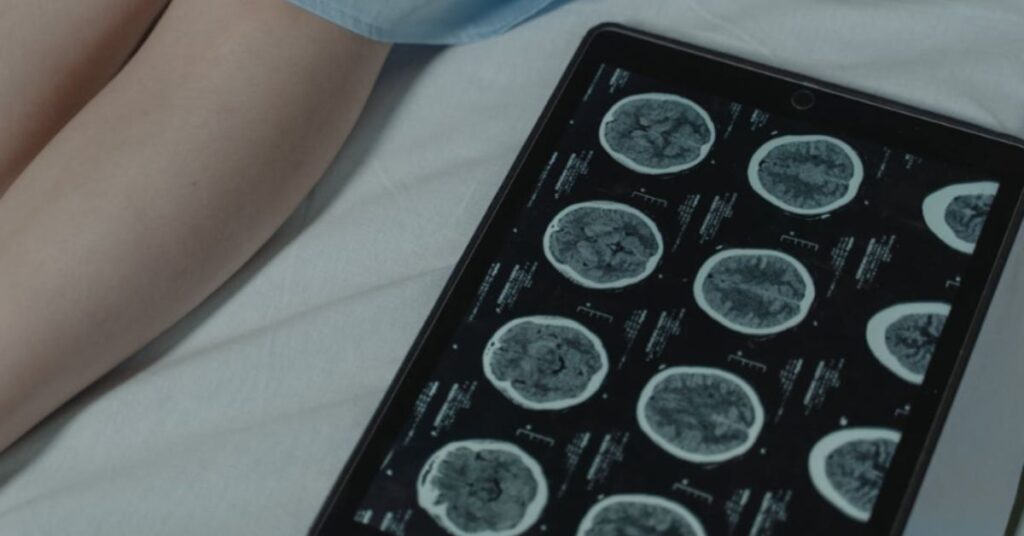
- MRI/CT scans to pinpoint damaged tissue and swelling
- Blood work to identify if any other organs are affected or if toxins are present
- Neurological tests to track awareness, reflexes, motor responses
With an accurate diagnosis, patients can start building their brain injury treatment plan as quickly as possible.
Anoxic Brain Injury Treatment: What Are The Options?
There’s no magic solution to brain injury recovery. That said, there are proven steps that can lead to recovery — and a strong treatment program will use each of them.
Immediately following injury, brain injury treatment focuses on stabilizing the patient. Doctors will work to:
- Restore adequate oxygen to the brain
- Stabilize blood pressure and heart function
- Lower the patient’s body temperature (known as therapeutic hypothermia) to reduce cell death
Once patients are stable, it’s all about brain injury rehabilitation. The right rehabilitation program will focus on:
- Physical therapy to regain movement, balance, and coordination
- Occupational therapy to regain skills needed for daily life
- Speech therapy to restore communication abilities
- Cognitive therapy to help with memory, attention, problem-solving, etc.
- Neuromodulation treatment to stimulate neurological recovery
Recent research supports the comprehensive approach. One 2024 study published in The International Journal of Molecular Sciences found strong evidence that personalized neurorehabilitation (supported by biomarker testing) produced better outcomes for brain injury patients.
What Recovery From Anoxic Brain Injury Looks Like
Every brain injury recovery story looks different.
Still, it’s important to know that 27% of patients in a post-anoxic coma regained consciousness within 28 days. While that sounds encouraging, it also means that most patients will require long-term care and support to achieve the best outcome.
But the story isn’t over yet.
The biggest takeaway here is that earlier intervention = better outcomes. Younger patients experience stronger recovery from treatment generally. But that doesn’t mean older patients can’t make meaningful progress with the right rehabilitation program.
When should action begin? As soon as possible. Between 1999 and 2023, over 117,000 people died due to complications related to anoxic brain injury in the U.S. Patients have continued to suffer from preventable loss of life due to the condition.
Why Specialist Support Changes Everything
Brain inflammation isn’t going anywhere on its own.
The harsh reality: without proper treatment, inflammation can last for months or years after initial injury. During that time, it can create major issues for patients that might not even link back to the original injury at all.
That’s why quality support makes all the difference.
Look for a brain injury rehabilitation center that offers:
- A team of specialists with extensive experience treating brain injuries and brain inflammation
- Ongoing neurological evaluation to track changes and improvements over time
- Customized treatment plans that adapt to each patient’s unique progress
- Support for family members and caretakers
Partnering with the right medical team means having advocates at every stage. Generic treatment plans can miss crucial factors unique to brain inflammation.
Here’s what leading brain recovery centers will almost always recommend:
Combine traditional treatment with active rehabilitation and regular monitoring for the best results.
The Bottom Line
Brain injuries, caused by oxygen loss to the brain, are serious. Brain inflammation that follows can be just as serious if left untreated.
But it isn’t the end of the story. With proper diagnosis, comprehensive brain injury treatment, and professional support, there is always hope for recovery.
Let’s review:
- Anoxic brain injury occurs when the brain experiences loss of oxygen
- Brain inflammation can cause further damage if it goes untreated
- Doctors diagnose brain injuries with EEG, MRI, blood work, and neurological evaluations
- Brain injury treatment should include both acute stabilization and active rehabilitation
- Early intervention with a specialist support team leads to the best possible outcome
It won’t happen overnight.
The path to recovery starts the moment the right steps are taken.
Also Read: Studiae: Hidden Benefits for Brain Health & Stress Resilience