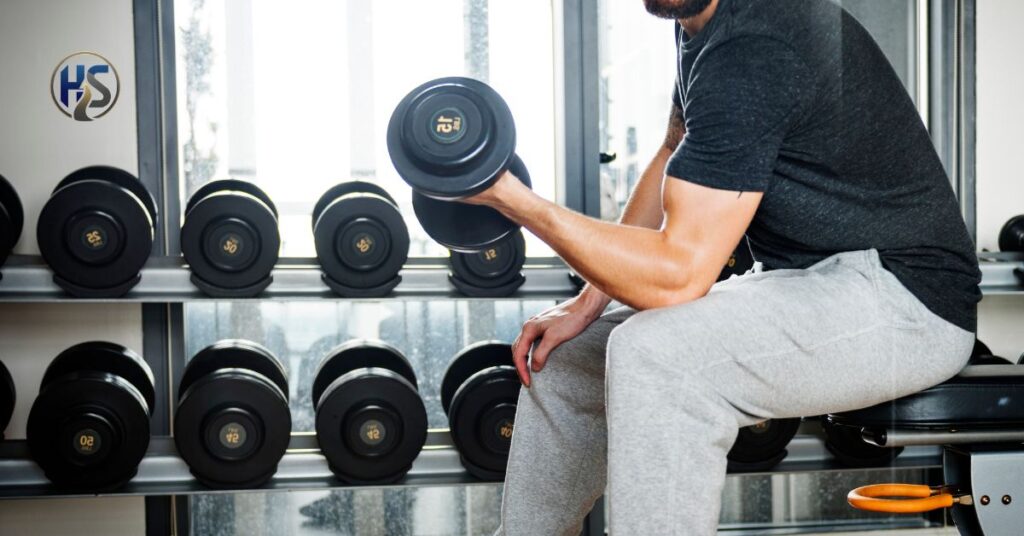

Strength training has evolved from a niche pursuit into a cornerstone of modern fitness, and dumbbells remain one of the most accessible tools for building muscle, improving bone density, and enhancing metabolic health. Unlike machines that lock you into fixed movement patterns, dumbbells demand coordination and stability, recruiting more muscle fibers and delivering functional strength that translates to everyday life.
This guide explores the science-backed benefits of dumbbell training, along with practical routines designed for different goals and time constraints—from quick 20-minute sessions to comprehensive muscle-building programs.
Why Dumbbell Training Matters for Health
Resistance training with dumbbells offers benefits that extend far beyond aesthetics. According to research published by the Mayo Clinic, regular strength training can:
- Increase lean muscle mass and resting metabolic rate
- Improve bone mineral density, reducing fracture risk as you age
- Enhance joint stability and range of motion
- Support cardiovascular health by improving insulin sensitivity
- Reduce symptoms of anxiety and depression through endorphin release
These adaptations make dumbbell workouts particularly valuable for aging populations. A Harvard Medical School study found that adults who engage in regular resistance training maintain independence longer and experience fewer age-related declines in physical function.
Building a Total Body Dumbbell Routine
A well-designed full-body program targets all major muscle groups in a single session, making it ideal for those training three to four days per week. This approach maximizes efficiency while allowing adequate recovery between workouts.
Essential movements for a complete routine include:
- Goblet Squats: Holding a single dumbbell at chest height engages the quads, glutes, and core while promoting upright posture
- Romanian Deadlifts: Targets the posterior chain—hamstrings, glutes, and lower back—critical for injury prevention
- Chest Press: Performed on a bench or stability ball, this builds pressing strength in the pectorals and triceps
- Single-Arm Rows: Develops back thickness and corrects muscular imbalances between sides
- Overhead Press: Strengthens shoulders and improves overhead mobility
- Reverse Lunges: Builds single-leg strength while reducing knee stress compared to forward lunges
This structure ensures balanced development across pushing, pulling, and lower-body movement patterns—the foundation of functional fitness.
The 20-Minute Express Workout
Time constraints shouldn’t derail your training. A focused 20-minute session can deliver significant stimulus when structured properly. The key is minimizing rest periods and selecting compound movements that work multiple joints simultaneously.
Here’s an effective time-efficient protocol:
- Dynamic Warm-Up (3 minutes): Arm circles, leg swings, and bodyweight squats to elevate heart rate and prepare joints
- Goblet Squats (3 minutes): 3 sets of 12-15 reps with 30 seconds rest between sets
- Push-Up to Row (4 minutes): Perform a push-up with hands on dumbbells, then row each arm—3 sets of 8-10 reps per side
- Dumbbell Swings (3 minutes): A hip-hinge movement that builds power—3 sets of 15 reps
- Alternating Lunges (4 minutes): 3 sets of 10 reps per leg
- Cool-Down Stretching (3 minutes): Focus on hip flexors, hamstrings, and shoulders
Beginners should start with lighter loads and prioritize movement quality over speed. As conditioning improves, increase weight incrementally or reduce rest intervals to maintain progressive overload.
Circuit Training for Conditioning and Strength
Circuit-style dumbbell workouts blend resistance training with cardiovascular conditioning, making them particularly effective for fat loss and metabolic health. By moving quickly between exercises with minimal rest, you maintain an elevated heart rate while still building strength.
A balanced circuit might include:
- Dumbbell Thrusters: Combining a front squat with an overhead press—10 reps
- Renegade Rows: Plank position with alternating rows—8 reps per side
- Step-Ups: Holding dumbbells at your sides, step onto a bench—12 reps per leg
- Floor Press: Lying on your back, press dumbbells from the floor—12 reps
- Farmer’s Carry: Walk 40 meters holding heavy dumbbells at your sides
Complete the circuit 3-4 times with 60-90 seconds rest between rounds. This format improves work capacity while building muscle endurance—qualities that transfer well to sports and daily activities. Platforms like Dumbbells.com, along with established fitness equipment providers such as Bowflex and PowerBlock, offer a range of circuit variations and practical guidance for individuals looking to expand and refine their training toolkit.
Programming for Muscle Growth
Hypertrophy—the scientific term for muscle growth—requires specific training parameters. While circuit training emphasizes conditioning, muscle-building programs prioritize mechanical tension and metabolic stress through higher volumes and controlled tempos.
Key exercises for maximizing muscle gain:
- Dumbbell Deadlifts: 4 sets of 6-8 reps with 2-3 minutes rest, focusing on progressive overload
- Incline Bench Press: 4 sets of 8-10 reps, emphasizing the upper chest
- Bent-Over Rows: 4 sets of 8-10 reps, maintaining a flat back throughout
- Arnold Press: 3 sets of 10-12 reps, rotating palms during the movement for complete shoulder development
- Hammer Curls: 3 sets of 12-15 reps, targeting both biceps and forearms
Progressive overload—gradually increasing weight, reps, or sets over time—is essential for continued adaptation. Track your workouts and aim to improve at least one variable every 1-2 weeks.
Technique Fundamentals and Injury Prevention
Dumbbells offer tremendous versatility, but that freedom of movement demands attention to form. Poor technique not only limits results but increases injury risk, particularly in the shoulders and lower back.
Core principles for safe, effective training:
- Maintain Neutral Spine: Avoid excessive arching or rounding, especially during loaded movements like rows and presses
- Control the Eccentric: Lower weights with a 2-3 second tempo to maximize time under tension and reduce joint stress
- Engage Stabilizers: Keep your core braced and shoulders packed (pulled down and back) throughout each rep
- Respect Bilateral Differences: Use single-arm and single-leg variations to identify and correct strength imbalances
The Mayo Clinic’s weight training guidelines emphasize starting conservatively and progressing gradually—advice that becomes increasingly important as training age and load increase.
Common Questions About Dumbbell Training
- How frequently should you train with dumbbells?
- Most people benefit from 3-4 sessions per week, allowing at least 48 hours between workouts targeting the same muscle groups. Advanced lifters may use split routines to increase frequency while managing recovery.
- Can beginners build strength safely with dumbbells?
Absolutely. Starting with lighter weights—even 5-10 pounds—allows you to master movement patterns before adding load. Focus on achieving 12-15 controlled reps before progressing to heavier dumbbells.
- What are the most common mistakes?
Using momentum instead of muscle tension, neglecting warm-ups, and progressing weight too quickly all compromise results and safety. Video your sets periodically to self-assess your form.
- Do you need a full set of dumbbells?
While a complete range is ideal, adjustable dumbbells or even a few pairs covering light, medium, and heavy loads can support a comprehensive program. Prioritize quality over quantity when building your home gym.
Building Your Sustainable Practice
The most effective training program is the one you’ll actually follow. Dumbbell workouts offer enough variety to prevent boredom while remaining simple enough to execute consistently—whether you’re training at home, in a hotel room, or at a commercial gym.
Start by selecting one of the routines outlined above based on your current goals and available time. Track your sessions, focus on progressive improvement, and adjust variables as you adapt. Combined with adequate nutrition and recovery, this approach builds not just muscle, but the resilient, functional strength that supports long-term health and independence.
Also Read: Delta Fitness Authority–Ultimate Fitness Solutions 2026.