
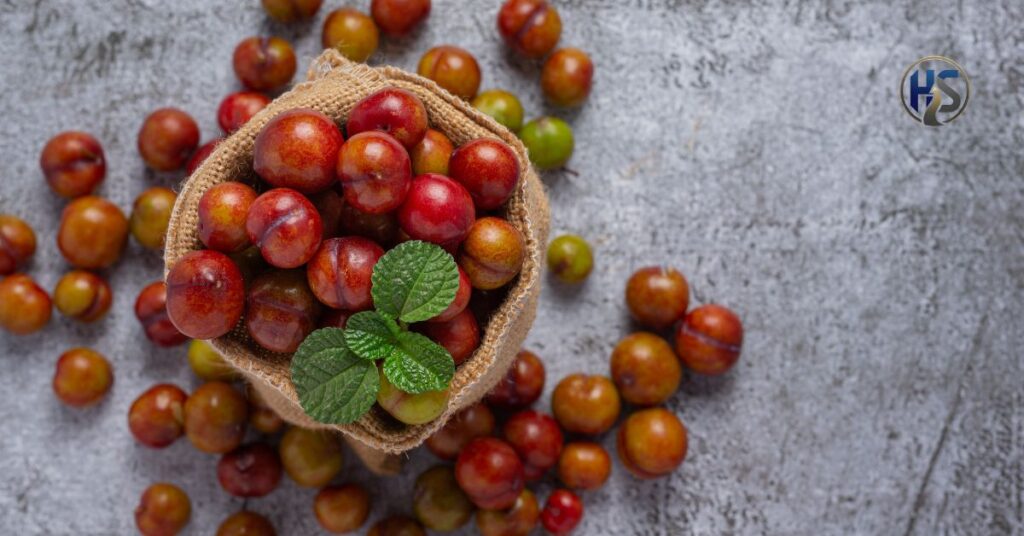

Žižole is a remarkable fruit celebrated for its unique blend of nutrition, flavor, and cultural significance. Known scientifically as Ziziphus jujuba and commonly referred to as jujube or red date, this small, oval fruit offers a crisp, mildly sweet taste when fresh and a chewy, naturally sweet texture when dried. Valued for thousands of years across Asia and the Mediterranean, žižole has earned a reputation not only as a versatile ingredient in culinary traditions but also as a natural source of essential vitamins, minerals, and antioxidants that support overall well-being.
Origins and Cultural Significance
Žižole has a long and fascinating history. Native to Southern and Eastern Asia, it has been cultivated for over 4,000 years. Traders carried it across Persia, the Mediterranean, and Europe, integrating it into local cuisines and traditional medicine. In many cultures, žižole symbolizes longevity, prosperity, and good health and is often featured in festive meals and medicinal remedies. This historical and cultural depth adds to the fruit’s value beyond its nutritional benefits.
Nutritional Profile
Žižole stands out for its rich nutrient content. A 100-gram serving of fresh fruit provides approximately 79 calories, high levels of vitamin C, potassium, and dietary fiber, along with a variety of antioxidants, including flavonoids and polyphenols. These compounds help protect the body from oxidative stress, support heart health, and aid in digestion. Dried žižole contains concentrated natural sugars, offering a sweet, energy-rich snack that retains most of the fruit’s beneficial compounds.
Health Benefits of Žižole
Immune SupportHigh vitamin C levels strengthen the immune system, helping the body respond effectively to illness.
Digestive Health
Dietary fiber regulates bowel movements and promotes a healthy gut microbiome, improving digestion and overall wellness.
Sleep and Stress Relief
Traditional medicine often uses žižole to calm the nervous system, reduce stress, and improve sleep quality.
Cardiovascular Health
Potassium and antioxidants in žižole help maintain healthy blood pressure and support heart function.
Antioxidant Protection
Flavonoids and polyphenols neutralize free radicals, reducing inflammation and cellular stress.
Culinary Uses
Žižole’s versatility makes it a favorite in both traditional and modern kitchens.
Fresh Uses: Enjoy the fruit raw, slice it into salads, or combine it with yogurt and grains for a nutrient-packed snack.
Dried Uses: Add dried žižole to trail mixes, baked goods, or herbal teas. Its natural sweetness makes it a perfect healthy alternative to processed sugars.
Prepared Products: Žižole can be cooked into jams, syrups, or incorporated into savory dishes. Traditional teas and herbal infusions highlight the fruit’s subtle flavor while leveraging its health benefits.
Žižole vs. Dates
Though often compared to dates, žižole has unique characteristics:
| Feature | Žižole (Jujube) | True Dates |
| Origin | Ziziphus jujuba | Date palm |
| Flavor | Crisp and sweet when fresh, chewy when dried | Rich, caramel-sweet |
| Vitamin C | High | Low |
| Texture | Crunchy to chewy | Soft to chewy |
| Uses | Teas, snacks, wellness foods | Snacks, desserts |
This comparison helps highlight why žižole holds a distinct place in culinary and health applications.
Safety and Consumption
Žižole is safe for most people when eaten in moderation. However, individuals on certain medications for blood pressure, seizures, or depression should consult a healthcare professional before adding large amounts of the fruit to their diet. Additionally, dried žižole contains concentrated sugars, so portion control is recommended.
Conclusion
In essence, žižole is far more than a traditional fruit—it is a nutrient-dense superfruit with a rich cultural legacy and versatile culinary uses. From supporting digestion and immunity to offering natural sweetness and unique flavor, it seamlessly bridges the worlds of health, tradition, and gastronomy. Embracing žižole in your diet not only introduces a flavorful and wholesome ingredient but also connects you to centuries of heritage and natural wellness wisdom.
FAQs
Q. Is žižole the same as a date?
No. Žižole (jujube) is botanically distinct from dates, with a unique texture, flavor, and nutritional profile.
Q. Can I eat žižole fresh?
Yes. Fresh fruit is crisp, mildly sweet, and rich in vitamin C.
Q. Does žižole help with sleep?
Yes. Traditional medicine uses the fruit and seeds to support sleep and relaxation.
Q. Where can I find žižole?
Žižole is available in Asian, Mediterranean, and specialty health food stores, both fresh and dried.
Q. Are there any side effects?
The fruit is generally safe, though moderation is recommended, especially for dried forms due to sugar concentration.