


For many women in Mumbai, hair thinning is a deeply personal journey that affects both self-image and daily confidence. Unlike the typical pattern baldness seen in men, female hair loss often manifests as diffuse thinning across the entire scalp or a gradual widening of the part line. Because of these unique patterns, choosing a reliable female hair transplant in Mumbai requires a specialised approach that prioritises artistic hairline design, graft preservation, and medical safety. As a leading global destination for medical tourism, Mumbai offers a vast array of clinics, from high-end celebrity boutiques in Bandra and Santacruz to established multi-specialty hospitals like Nanavati Max. Navigating these options can be overwhelming, but by focusing on surgeon credentials, modern techniques like Biofibre or Sapphire FUE, and transparent clinical standards, you can ensure a successful and natural-looking restoration.
1. Verifying Surgeon Credentials and Specialist Expertise
The success of a hair transplant is entirely dependent on the person behind the tools. Mumbai is home to some of India’s most prestigious hair restoration specialists, but it is vital to verify that your chosen doctor is specifically experienced in treating women. A reliable surgeon should be a member of recognised international and national bodies, such as the International Society of Hair Restoration Surgery (ISHRS) or the Association of Hair Restoration Surgeons India (AHRS). These organisations require members to adhere to strict ethical codes and stay updated on the latest surgical innovations. In some high-volume clinics, the surgeon might only perform the initial consultation, leaving the actual extraction and implantation to technicians. For a female transplant, where precision is paramount to avoid damaging existing hair, you must ensure the doctor is hands-on. Experts such as Dr Malay Mehta and Dr Raina Nahar are frequently highlighted for their direct involvement in the surgical process, ensuring that the “dense packing” required for female hairlines is executed with medical precision.
2. Understanding Modern Techniques: FUE vs. Biofibre
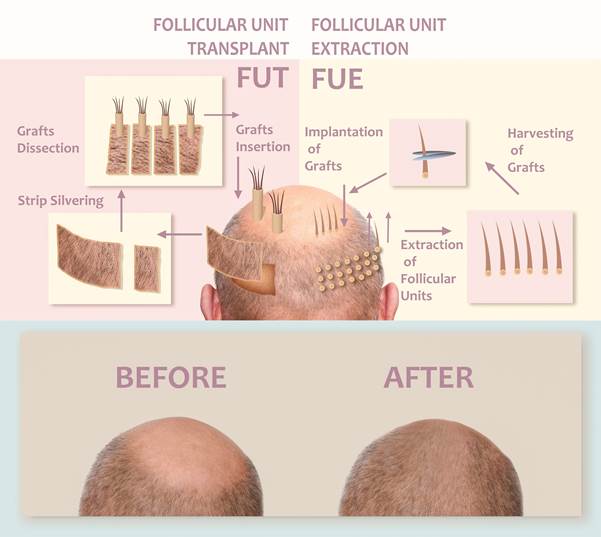
In Mumbai’s advanced clinical landscape, women generally choose between two primary paths: biological hair transplants (FUE/DHI) or synthetic implants (Biofibre). Follicular Unit Extraction (FUE) and its specialised version, Direct Hair Implantation (DHI), are the gold standards for natural growth. Many women are hesitant to shave their heads for surgery, and leading Mumbai clinics now offer “Long Hair FUE” or “Unshaven FUE,” where grafts are extracted and implanted without cutting the surrounding hair. This allows you to return to work or social life almost immediately with the procedure hidden. Another popular “hybrid” is Bio-FUE, where transplanted grafts are soaked in growth factor concentrates before implantation to boost survival rates and speed up healing.
For women who have very thin donor hair or who want an instant result, a Biofibre hair transplant in Mumbai is a highly sought-after alternative. This involves the implantation of medical-grade synthetic fibres that look and feel like natural hair. These fibres are available in various lengths and colours, allowing for an immediate transformation. However, a reputable clinic will never perform a full Biofibre session on your first day. They must perform a test patch of about 100 fibres and monitor your scalp for three to four weeks to ensure there is no rejection or allergic reaction. Biofibre is an artificial solution, meaning the hair does not grow and will naturally shed at a rate of 10% to 20% per year, requiring small annual top-up sessions.
3. Transparency in Pricing and Graft Counting
Mumbai’s hair transplant market is highly competitive, and pricing varies significantly based on the clinic’s location and the surgeon’s reputation. Generally, costs are calculated per graft for natural transplants or per fibre for Biofibre. For a natural FUE or Bio-FUE transplant, prices typically range from ₹45 to ₹130 per graft, while DHI can cost between ₹1,00,000 and ₹2,50,000 for a standard session. Biofibre implants are usually priced between ₹90 and ₹180 per fibre. A reliable clinic will provide a written quote that clearly states whether the price includes post-operative medications, follow-up washes, and GST (usually 5% to 18%). Be wary of clinics that offer unlimited grafts for a flat low fee, as this often leads to over-harvesting the donor area.
4. Evaluating Clinical Standards and Aftercare

The climate in Mumbai—characterised by high humidity and urban dust—requires a clinic that maintains the highest levels of sterilisation. The procedure should be performed in a dedicated, medical-grade Operation Theatre (OT), not a standard consultation room. Ask about their sterilisation protocols and whether they use single-use, disposable punches for extraction. The first 72 hours post-surgery are the most critical for graft survival. A trusted clinic will provide a specialised wash 24–48 hours after surgery to remove scabs safely. Many clinics also include Low-Level Laser Therapy (LLLT) to reduce inflammation and stimulate blood flow to the new grafts. Since you are in a major city, ensure the clinic is accessible for follow-up visits at the 3-month and 6-month marks to monitor your progress.
5. Reviewing Genuine Portfolios and Testimonials
When researching a female hair transplant in Mumbai, do not rely solely on the general photos on a clinic’s homepage. Demand female-specific results and ask to see cases of women with “Diffuse Pattern Hair Loss” (DPHL). Results for men are often easier to achieve because their donor hair is usually much thicker; a clinic’s ability to successfully treat a woman’s finer hair is the true test of their skill. Look at independent forums like Google Reviews, Practo, or RealSelf for comments regarding the “artistry” of the hairline—a feminine hairline should be soft and slightly irregular, never a straight, harsh line.
Final Thoughts: The Journey to Regrowth
Choosing a hair clinic is not just a financial decision; it is a medical one. Mumbai offers world-class facilities, but the best clinic is the one that provides an honest assessment. If a doctor tells you that you are not a good candidate for a transplant yet—perhaps because your hair loss is still active or caused by a nutritional deficiency—that is a sign of a trustworthy professional. A successful transplant should blend seamlessly with your natural hair, providing a boost in density that looks as though it was never missing. By doing your due diligence on surgeon expertise, choosing the right technology, and insisting on medical transparency, you can move forward with confidence.
Also Read: Wat Wax Hidden Dangers: Causes, Symptoms & Safe Removal