
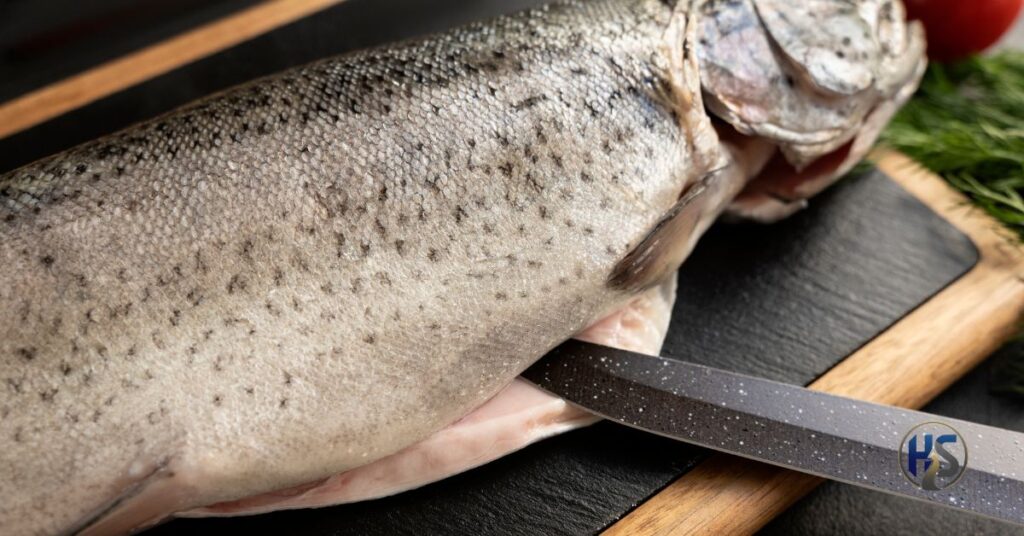

Alaskan Seiti is the market name commonly used in Nordic and European regions for Alaska pollock, a cold-water whitefish harvested primarily from the North Pacific Ocean. Scientifically known as Gadus chalcogrammus, this species belongs to the cod family and is one of the most commercially important and nutritionally valuable wild fish in the world. Despite occasional confusion with cod, Alaskan Seiti has its own distinct characteristics: lean flesh, mild flavor, fine flake structure, and exceptional protein density. It is widely consumed fresh, frozen, and processed into surimi, fish fillets, and protein-rich seafood products.
Origin, Habitat, and Marine Ecosystem Significance
Alaskan Seiti thrives in the icy, nutrient-dense waters of the Bering Sea and the Gulf of Alaska. These cold environments promote slow, steady growth and dense muscle development, resulting in firm yet tender flesh. Unlike many overexploited species, Alaska pollock fisheries are tightly regulated under U.S. fishery management systems, with annual stock assessments and science-driven quotas. This structured management has helped maintain one of the largest sustainable whitefish populations globally. The species also plays a vital ecological role, serving as prey for marine mammals, seabirds, and larger fish within the North Pacific food web.
Nutritional Profile: A Lean Protein Powerhouse
Alaskan Seiti is a nutrient-dense, low-calorie seafood choice ideal for weight management and metabolic health. A 100-gram cooked portion typically provides:
- 80–95 calories
- 16–20 grams of complete protein
- Less than 1 gram of fat
- Minimal saturated fat
- Natural omega-3 fatty acids (EPA & DHA)
- Vitamin B12
- Selenium
- Phosphorus
- Niacin (Vitamin B3)
Its amino acid composition supports muscle maintenance, immune strength, and tissue repair. Because it is naturally low in carbohydrates and contains virtually no sugar, it fits seamlessly into low-carb, ketogenic, and high-protein dietary frameworks.
Cardiovascular Benefits of Alaskan Seiti
The presence of marine omega-3 fatty acids gives Alaskan Seiti measurable heart-supportive properties. EPA and DHA are associated with reduced triglyceride levels, improved endothelial function, and anti-inflammatory effects. Regular consumption of lean whitefish like Alaska pollock has been linked with balanced cholesterol profiles when part of a whole-food diet. Additionally, its low saturated fat content makes it a favorable alternative to red and processed meats. For individuals managing hypertension or metabolic syndrome, incorporating Alaskan Seiti can contribute to improved cardiovascular resilience without excessive caloric intake
Brain Function, Mood Support, and Cognitive Health
Omega-3 fatty acids are structural components of brain cell membranes. While fatty fish like salmon contain higher concentrations, Alaskan Seiti still provides meaningful levels that support neurological function. Vitamin B12 further enhances cognitive clarity by supporting nerve health and red blood cell formation. Selenium contributes antioxidant protection, defending brain tissue against oxidative stress. For aging adults and high-performance professionals, including lean marine proteins such as Alaskan Seiti may support focus, mood stability, and long-term cognitive maintenance when combined with a nutrient-rich diet.
Weight Management and Metabolic Efficiency
High-protein, low-fat foods increase satiety and reduce total caloric intake across meals. Alaskan Seiti delivers substantial protein density with minimal energy load, making it ideal for calorie-controlled meal planning. Protein stimulates thermogenesis and supports lean muscle retention during fat loss phases. Unlike heavily processed seafood alternatives, minimally prepared Seiti maintains clean macronutrient ratios. Fitness-oriented individuals, athletes cutting weight, and those pursuing metabolic optimization often benefit from integrating lean whitefish several times per week as a primary protein source.
Sustainability and Responsible Harvesting
One of the strongest attributes of Alaskan Seiti is its sustainability profile. The Alaska pollock fishery is widely recognized for science-based management, catch monitoring, and traceability systems. Strict harvest limits and ecosystem-based fisheries management reduce the risk of overfishing. Many products carry third-party sustainability certifications, offering consumers confidence in environmental stewardship. Choosing Alaskan Seiti supports a fishery model that prioritizes long-term ocean health, biodiversity balance, and responsible commercial practices.
Culinary Versatility and Digestibility
Alaskan Seiti’s mild flavor and soft flake structure make it exceptionally versatile. It adapts well to baking, steaming, poaching, grilling, and light pan-searing. Because it is low in connective tissue and fat, it digests easily compared to heavier animal proteins. This makes it suitable for individuals with sensitive digestion or those recovering from illness who require light, high-quality protein sources. It pairs naturally with lemon, herbs, olive oil, fermented sauces, and mineral-rich vegetables, allowing nutrient synergy without overpowering flavors.
Mercury Levels and Safety Considerations
Compared to large predatory fish such as tuna or swordfish, Alaskan Seiti contains relatively low mercury concentrations due to its smaller size and shorter lifespan. This makes it appropriate for more frequent consumption within balanced dietary patterns. Pregnant individuals, children, and older adults can typically include Alaska pollock as part of a varied seafood intake while adhering to regional health guidelines. Its safety profile contributes to its reputation as a dependable everyday seafood option.
Alaskan Seiti vs. Cod: Nutritional and Practical Differences
Although both belong to the cod family, Alaskan pollock is generally leaner and milder than Atlantic cod. It often contains slightly fewer calories and less fat, making it a more calorie-efficient protein source. Texturally, Seiti flakes more delicately, which suits soups, fish cakes, and light preparations. Cod tends to be thicker and meatier. From a cost perspective, Alaska pollock is typically more affordable, increasing accessibility for households seeking sustainable, high-protein seafood options.
Final Verdict: Why Alaskan Seiti Deserves a Place in a High-Performance Diet
Alaskan Seiti is more than an affordable whitefish. It is a nutritionally efficient, sustainably harvested, heart-supportive protein source backed by robust fishery management and strong nutrient density. With high-quality protein, beneficial omega-3s, essential micronutrients, low mercury levels, and minimal fat content, it aligns with modern health principles emphasizing metabolic efficiency and whole-food nutrition.
For individuals prioritizing cardiovascular health, cognitive resilience, weight control, and sustainable food choices, Alaskan Seiti stands out as a strategic addition to a well-structured dietary plan.
FAQs
Q. Is Alaskan Seiti the same as Alaska pollock?
Yes. Alaskan Seiti is the Nordic market name for Alaska pollock, a lean whitefish harvested from the North Pacific. It is not a separate species.
Q. Is Alaskan Seiti healthy to eat regularly?
Yes. It is low in fat, high in complete protein, and contains omega-3 fatty acids, vitamin B12, and selenium. Its low mercury levels make it suitable for regular consumption within balanced dietary guidelines.
Q. How does Alaskan Seiti compare to cod?
Alaskan Seiti is generally leaner and milder than cod, with slightly fewer calories. It flakes more delicately and is often more affordable, making it practical for frequent meals.
Q. Is Alaskan Seiti sustainably sourced?
Yes. Alaska pollock fisheries are tightly regulated with science-based quotas and ecosystem monitoring, making them among the most responsibly managed wild fisheries globally.
Q. What is the best way to cook Alaskan Seiti?
Because it is lean, gentle cooking methods such as baking, steaming, poaching, or light pan-searing preserve moisture and texture while maintaining nutritional value.