
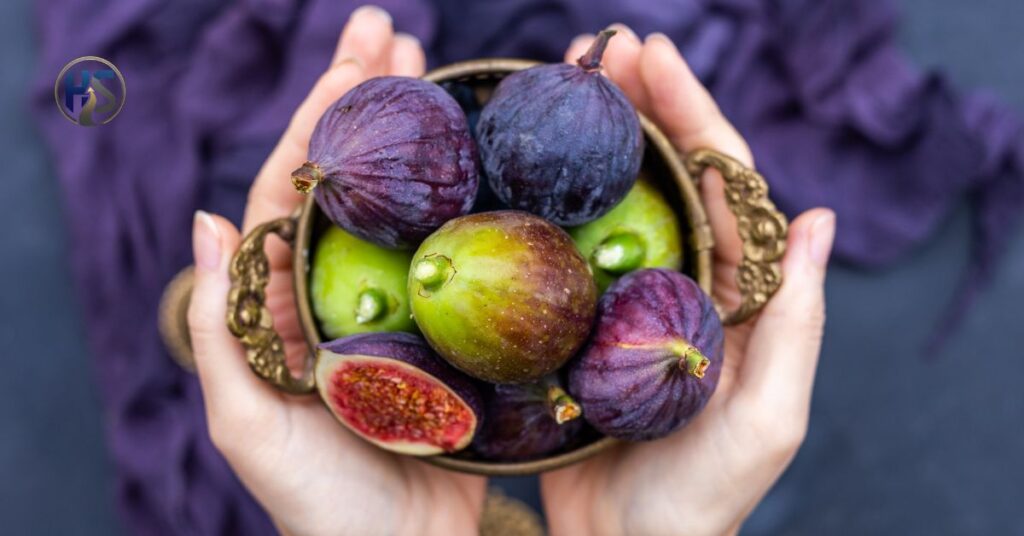

The Byadi fig is an underrated yet nutritionally rich fruit variety gaining recognition among health-conscious and eco-aware communities. Traditionally cultivated in parts of the Middle East, especially regions of Syria and Lebanon, this fig stands out for its delicate sweetness, soft texture, and impressive health profile. In an era where sustainable nutrition is critical, the Byadi fig aligns perfectly with go-green dietary practices. It offers a natural, minimally processed source of essential nutrients while supporting environmentally responsible agriculture.
What Is Byadi Fig? A Botanical and Agricultural Overview
The Byadi fig belongs to the species Ficus carica, one of the oldest cultivated fruit trees in human history. The term “byadi” is often associated with light-colored or white figs, known for their smooth skin and honey-like flavor. These figs thrive in Mediterranean climates, requiring warm temperatures, well-drained soil, and minimal chemical input. Their adaptability makes them an excellent crop for sustainable farming systems, especially in regions facing water scarcity and soil degradation challenges.
Nutritional Profile of Byadi Fig: A Natural Superfood
Byadi figs are packed with essential nutrients that support overall health. They are naturally rich in:
- Dietary fiber for digestive health
- Potassium for heart function
- Calcium for bone strength
- Antioxidants that combat oxidative stress
Their natural sugars provide quick energy without the harmful effects of refined sweeteners. Scientific data consistently shows that figs support gut health, metabolic balance, and cardiovascular function, making them a powerful addition to a balanced, plant-based diet.
Health Benefits of Byadi Fig Backed by Science
Regular consumption of Byadi figs can contribute to multiple health benefits. Their high fiber content improves digestion and prevents constipation, while antioxidants help reduce inflammation—a key driver of chronic diseases. Potassium supports healthy blood pressure levels, and plant compounds promote heart health. Additionally, figs contain prebiotic properties that nourish beneficial gut bacteria. This combination makes Byadi figs particularly valuable in preventing lifestyle-related conditions and supporting long-term wellness through natural, food-based solutions.
Byadi Fig and Gut Microbiome Optimization
One of the most powerful yet often overlooked benefits of Byadi figs is their ability to support the gut microbiome. Rich in soluble fiber and natural prebiotics, these figs feed beneficial bacteria in the digestive system, improving nutrient absorption and immune response. A balanced gut microbiome is now strongly linked with reduced inflammation, better mental health, and improved metabolic function. Regular intake of Byadi figs can help restore microbial balance, making them an effective, natural strategy for enhancing digestive resilience and overall systemic health.
Sustainable Farming and the Go-Green Advantage
One of the strongest advantages of Byadi fig cultivation is its alignment with eco-friendly agriculture. Fig trees require relatively low water compared to many fruit crops and can grow in less fertile soils. They also have a natural resistance to many pests, reducing the need for chemical pesticides. This makes them ideal for organic and regenerative farming practices. By promoting biodiversity and reducing environmental impact, Byadi fig farming contributes to a more sustainable food system and supports global efforts toward climate resilience.
Byadi Fig vs Other Fig Varieties: What Makes It Unique?
Compared to other fig varieties, Byadi figs are known for their lighter color, softer texture, and milder sweetness. While darker figs may contain slightly higher anthocyanins, Byadi figs excel in digestibility and versatility. Their smooth skin and balanced flavor make them suitable for a wide range of diets, including those focused on gut health and low-acid foods. This unique combination of taste and nutrition makes Byadi figs highly appealing for both everyday consumption and specialized dietary needs.
How to Incorporate Byadi Fig into a Healthy Diet

Adding Byadi figs to your daily routine is simple and effective. They can be consumed:
- Fresh as a natural snack
- Dried for long-term storage and convenience
- Added to salads, smoothies, or oatmeal
- Used as a natural sweetener in desserts
Their versatility allows them to replace processed sugars, supporting cleaner eating habits. Pairing figs with nuts or seeds enhances nutrient absorption and provides a balanced energy source, making them ideal for modern, health-focused lifestyles.
Potential Considerations and Safe Consumption
While Byadi figs are highly beneficial, moderation is key. Their natural sugar content means excessive consumption may impact blood sugar levels, particularly for individuals with metabolic concerns. Additionally, some people may experience mild digestive sensitivity when consuming large quantities. Choosing organic or sustainably grown figs ensures minimal exposure to chemicals, further enhancing their health benefits and aligning with a go-green approach.
Traditional Wisdom and Modern Nutritional Science
Figs have been valued for centuries in traditional diets for their healing properties. Modern research now confirms many of these benefits, particularly their role in digestive health and inflammation control. The Byadi fig represents a perfect fusion of ancient nutritional wisdom and contemporary science, offering a natural solution to many modern health challenges. This alignment reinforces its position as a functional food in today’s wellness landscape.
Conclusion
The Byadi fig is more than just a fruit—it is a symbol of sustainable nutrition and holistic health. With its rich nutrient profile, environmental benefits, and versatility, it stands out as a powerful addition to modern diets. As consumers shift toward eco-conscious and health-driven choices, Byadi figs offer a practical, natural, and effective way to support both personal well-being and planetary health. Embracing this superfruit is a step toward a healthier, more sustainable future.
FAQs
Q. What is a Byadi fig?
A light-colored variety of fig known for its soft texture, mild sweetness, and high nutritional value.
Q. Are Byadi figs healthy?
Yes, they are rich in fiber, antioxidants, and essential minerals that support digestion and heart health.
Q. How are Byadi figs different from other figs?
They are lighter in color, softer in texture, and easier to digest compared to many darker fig varieties.
Q. Can Byadi figs support sustainable farming?
Yes, they require less water and fewer chemicals, making them ideal for eco-friendly agriculture.
Q. Are dried Byadi figs as nutritious as fresh ones?
Yes, though dried figs are more calorie-dense, they retain most of their nutrients.