
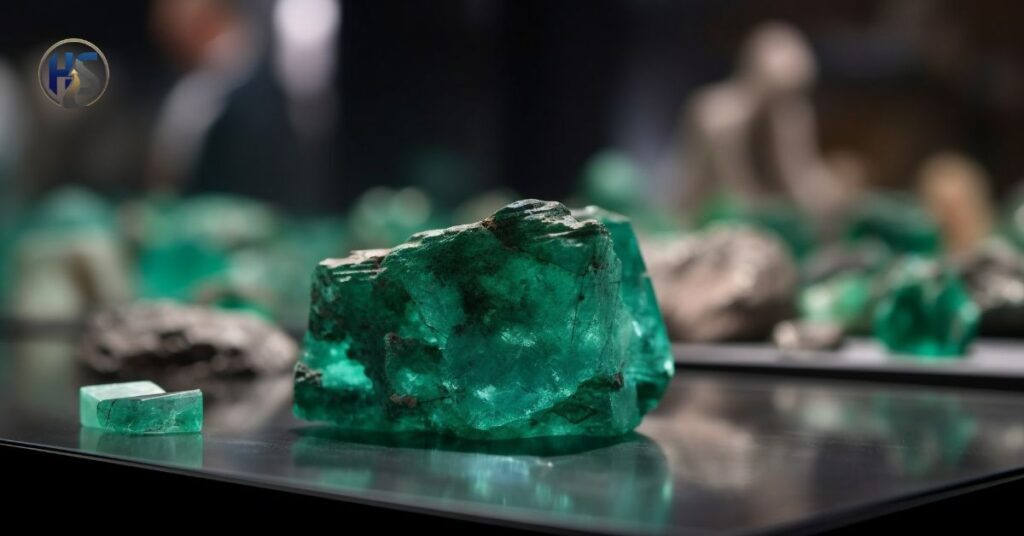

Jadeitový Kameň is one of the most respected and historically significant gemstones in the world. Known for its exceptional beauty, strength, and symbolic depth, this rare stone has been treasured across civilizations for thousands of years. Unlike many decorative minerals, jadeite carries a powerful combination of geological rarity, cultural importance, and perceived healing influence, making it valuable both materially and spiritually.
This article explores the origin, properties, uses, cultural importance, and health-related aspects of this extraordinary stone, offering a complete, authoritative guide designed to inform and educate at the highest level.
What Is Jadeitový Kameň?
Jadeitový Kameň refers to jadeite, a rare mineral composed mainly of sodium and aluminum silicate. It belongs to the pyroxene group and is one of the two true forms of jade, the other being nephrite. Jadeite is the rarer and generally more valuable of the two.
What makes this stone exceptional is its compact crystalline structure, which gives it remarkable toughness. This strength allowed ancient civilizations to carve tools, ceremonial objects, and jewelry that have survived for centuries. The stone is most admired for its rich green varieties, though it naturally appears in many other colors, including white, lavender, yellow, and black.
Geological Formation and Natural Sources
Jadeitový Kameň forms under extreme pressure and relatively low temperatures, conditions typically found in subduction zones where tectonic plates collide. These rare geological environments are the reason jadeite is far less common than many other gemstones.
The world’s most famous and valuable jadeite deposits are located in Myanmar, particularly in the northern regions. Additional sources include Guatemala, Japan, Russia, and parts of Central Asia. Stones from these regions vary in color, translucency, and texture, which directly influences their quality and market value.
Physical and Visual Characteristics
The visual appeal of Jadeitový Kameň lies in its smooth texture, dense structure, and vibrant coloration. High-quality jadeite displays a fine grain and a soft, glowing luster that appears almost alive under light. Its hardness, ranging between 6.5 and 7 on the Mohs scale, makes it durable enough for daily wear in jewelry.
Color plays a major role in valuation. Bright emerald green jadeite with high translucency is considered the most desirable, often referred to as “imperial” quality. However, other natural colors are equally appreciated for artistic and cultural purposes.
Historical and Cultural Significance
For thousands of years, Jadeitový Kameň has symbolized power, virtue, protection, and prosperity. In ancient China, jadeite was regarded as more valuable than gold and was associated with moral integrity and spiritual wisdom. Emperors, scholars, and warriors wore it as a sign of status and inner strength.
In Mesoamerican civilizations such as the Maya and Aztecs, jadeite represented life and fertility. It was used in ceremonial masks, burial offerings, and sacred tools. Across cultures, the stone has consistently been viewed as a bridge between the physical and spiritual worlds.
Uses in Jewelry, Art, and Modern Design
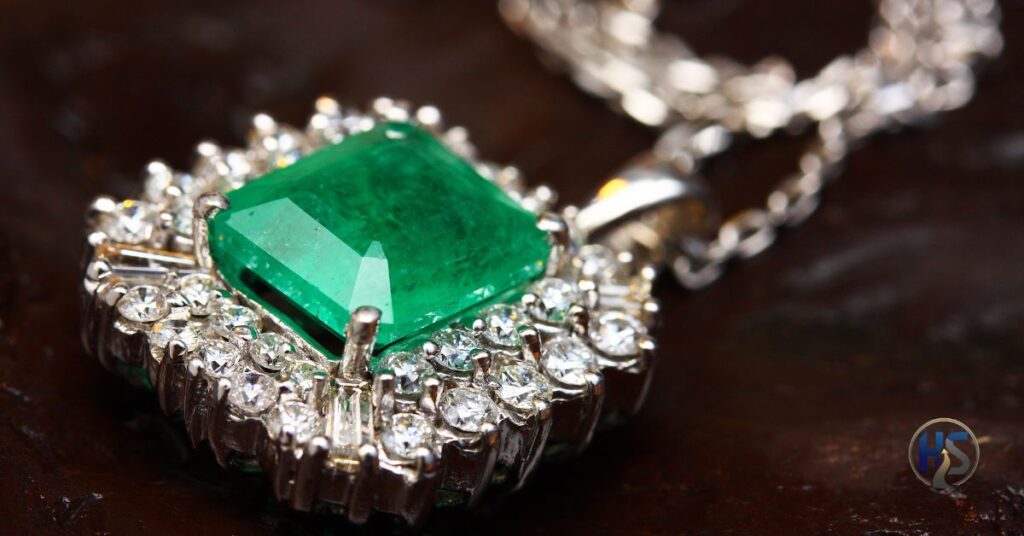
Today, Jadeitový Kameň remains a cornerstone of fine jewelry and artistic craftsmanship. It is commonly shaped into rings, pendants, bangles, and beads, valued not only for appearance but also for symbolism. Skilled artisans carve it into sculptures, talismans, and decorative objects that reflect both tradition and modern design.
In contemporary interiors, jadeite pieces are also used as luxury décor elements, appreciated for their calming presence and timeless elegance.
Health and Healing Properties of Jadeitový Kameň (Traditional Beliefs)
Emotional Balance and Mental Well-Being
In traditional and holistic belief systems, Jadeitový Kameň is associated with emotional stability and inner peace. Many cultures believe the stone helps calm the mind, reduce stress, and encourage balanced decision-making. It is often linked to the heart chakra, symbolizing compassion, harmony, and emotional clarity.
People who use jadeite in meditation or daily wear often describe a sense of grounding and mental calm. While these effects are rooted in tradition rather than medical science, the stone’s symbolic role in emotional wellness remains deeply influential.
Physical Energy and Vitality Support
Another widely held belief is that Jadeitový Kameň supports physical vitality and energy flow within the body. Historically, it has been associated with balance, longevity, and gentle detoxification. Some traditions connect jadeite with kidney and metabolic health, viewing it as a stone of renewal and steady strength.
It is important to note that these healing properties are cultural and traditional interpretations, not medical treatments. However, the stone’s long-standing association with health and longevity continues to shape its modern use in wellness practices.
Value, Authenticity, and Market Importance
The value of Jadeitový Kameň depends on several factors, including color, transparency, texture, size, and whether the stone has been treated. Natural, untreated jadeite is the most desirable and commands the highest prices in global markets.
Due to its value, jadeite is often imitated or artificially enhanced. Authentic stones are typically certified and carefully evaluated by experts. Collectors and investors view high-quality jadeite as both a cultural treasure and a long-term store of value.
Why Jadeitový Kameň Remains Timeless
The enduring appeal of Jadeitový Kameň lies in its rare combination of beauty, durability, symbolism, and history. Unlike trends that fade, jadeite has maintained its relevance across thousands of years, adapting to new cultures while preserving its original meaning.
From ancient rituals to modern luxury, this stone continues to represent harmony between nature, humanity, and time itself.
Conclusion
Jadeitový Kameň is far more than a decorative gemstone. It is a geological rarity, a cultural symbol, and a timeless material valued across civilizations. Whether admired for its visual elegance, historical depth, or traditional healing associations, it remains one of the most respected stones in the world. Its lasting significance ensures that jadeite will continue to inspire, protect, and captivate for generations to come.
Frequently Asked Questions
Q. What is Jadeitový Kameň used for?
Jadeitový Kameň is commonly used in fine jewelry, artistic carvings, and decorative objects. Historically, it was also used for ceremonial tools and symbols of status. Today, it is valued for both its beauty and cultural significance.
Q. Is Jadeitový Kameň the same as jade?
No, Jadeitový Kameň specifically refers to jadeite, which is one of the two true jade minerals. The other type is nephrite. Jadeite is rarer, denser, and generally more valuable than nephrite.
Q. Where does authentic Jadeitový Kameň come from?
The most prized Jadeitový Kameň originates from Myanmar, with additional sources in Guatemala, Japan, and Russia. Stones from these regions vary in quality, color, and translucency.
Q. Does Jadeitový Kameň have healing properties?
In traditional belief systems, Jadeitový Kameň is associated with emotional balance, inner calm, and vitality. These benefits are cultural and symbolic rather than medically proven, but they remain widely respected in holistic practices.
Q. How can you tell if Jadeitový Kameň is real?
Authentic Jadeitový Kameň has a dense structure, smooth texture, and natural color depth. Certification from a reputable gemological authority is the most reliable way to confirm authenticity and quality.