
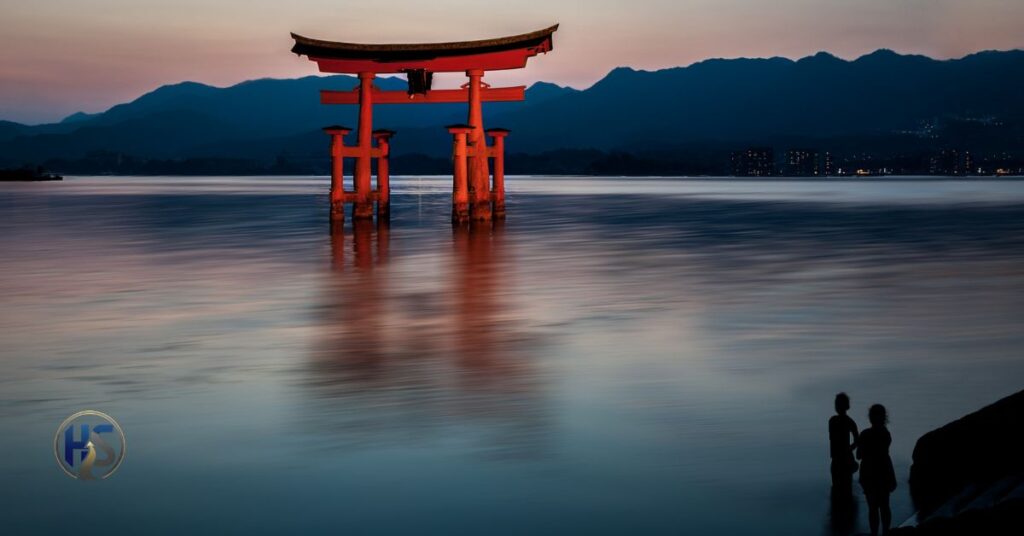

Jyokyo (状況) is a Japanese term meaning “situation,” “condition,” or “state of affairs.” But its real depth extends far beyond translation. Jyokyo reflects the full context surrounding an event: environment, emotional climate, social dynamics, and underlying pressures. It is not merely what is happening; it is how, why, and under what conditions it unfolds. In health and wellness discussions, jyokyo aligns closely with situational awareness, emotional intelligence, adaptive behavior, and contextual decision-making. Understanding jyokyo enhances perception, improves response strategies, and strengthens psychological resilience in everyday life.
The Psychology Behind Jyokyo: Context Shapes Behavior
Human behavior is situational. Research in behavioral science consistently shows that environment and context heavily influence decision-making, stress responses, and interpersonal dynamics. Jyokyo represents this principle in linguistic form. When individuals fail to assess their situation accurately, they react impulsively. When they understand their jyokyo, they respond strategically. This distinction directly affects relationships, professional outcomes, and emotional stability. The brain continuously scans for environmental cues, threats, tone shifts, and power dynamics. Conscious awareness of jyokyo strengthens executive functioning, reduces emotional reactivity, and enhances long-term judgment.
Jyokyo and Emotional Intelligence: Reading the Atmosphere
In Japanese culture, social awareness is deeply connected to the concept of reading the air. Jyokyo operates as the foundation of this skill. It requires sensitivity to unspoken signals, body language, silence, hierarchy, and timing. In wellness psychology, this correlates with high emotional intelligence. Individuals who understand situational context demonstrate better conflict resolution, stronger empathy, and improved leadership performance. They do not react solely to words; they interpret conditions. Jyokyo cultivates adaptive thinking, where responses align with circumstances rather than ego-driven impulse.
Situational Awareness and Stress Regulation
Chronic stress often stems from misjudging circumstances. When someone perceives danger where none exists, cortisol spikes unnecessarily. When real risk is ignored, vulnerability increases. Jyokyo strengthens accurate threat assessment. By objectively evaluating the context of workplace tension, family conflict, and social pressure, individuals avoid catastrophic thinking. Clinical psychology supports this: cognitive reframing and situational evaluation reduce anxiety disorders and improve coping mechanisms. Practicing jyokyo means pausing before reacting, gathering environmental data, and choosing proportionate responses. This directly protects mental health and supports nervous system regulation.
Jyokyo in Physical Health and Lifestyle Choices
Situational awareness influences physical health behaviors. For example, eating patterns change based on environmental and social settings; stress increases cravings, and sleep deprivation alters hunger hormones. Recognizing jyokyo allows conscious interruption of unhealthy patterns. Instead of labeling behavior as weakness, one assesses conditions: fatigue, emotional triggers, and peer pressure. This mindset improves adherence to wellness routines, exercise consistency, and preventive care decisions. Health is rarely isolated from context. Jyokyo reminds us that sustainable lifestyle improvement begins with situational clarity.
Professional and Crisis Contexts: Why Jyokyo Saves Outcomes
In emergency medicine, military strategy, and executive leadership, situational awareness determines outcomes. Misreading context leads to escalation, poor communication, and strategic failure. Jyokyo in high-pressure environments means constantly updating perception as conditions evolve. Leaders who evaluate team morale, operational constraints, and external threats outperform those who rely on rigid plans. Adaptability is a wellness skill as much as a professional one. Psychological flexibility—adjusting to real-time information—is strongly linked to reduced burnout and improved performance under pressure.
Cultural Insight: Harmony, Adaptation, and Social Balance
Jyokyo is deeply embedded in Japanese social structure, where maintaining harmony often outweighs blunt confrontation. Instead of direct criticism, individuals frame issues through situational language (“given the current situation” rather than personal accusation). This reduces defensiveness and protects relationships. From a health perspective, social harmony correlates with lower interpersonal stress and stronger community resilience. Collective awareness of jyokyo encourages responsibility without aggression. It promotes measured communication, sensitivity to timing, and adaptive negotiation strategies.
Jyokyo and Mindfulness: Present-Moment Clarity
Modern mindfulness practices emphasize observing thoughts, emotions, and surroundings without immediate judgment. Jyokyo mirrors this discipline. It requires attentiveness to conditions before action. Neuroscientific studies show that mindfulness strengthens the prefrontal cortex, the area responsible for impulse control and strategic thinking. Applying jyokyo daily—at work, during conflict, and in personal decision-making—improves cognitive flexibility. Rather than reacting habitually, individuals become observers first and responders second. This approach enhances emotional balance and long-term mental clarity.
Common Misinterpretations of Jyokyo
Many interpret jyokyo as passive acceptance of circumstances. This is incorrect. Jyokyo is not resignation; it is assessment. It does not mean surrendering control; it means understanding variables before acting. Another misconception is that situational awareness limits authenticity. In reality, it refines communication effectiveness. True awareness does not suppress identity; it enhances precision. Clarity about context strengthens decision-making rather than weakening conviction.
How to Cultivate Jyokyo in Daily Life
Developing jyokyo requires deliberate practice:
- Pause before reacting in emotionally charged moments.
- Identify environmental triggers influencing your mood.
- Distinguish facts from assumptions.
- Assess social dynamics before speaking.
- Reflect on how context shapes behavior patterns.
Over time, this builds adaptive resilience. Situational intelligence becomes automatic, improving health, relationships, and performance simultaneously.
Conclusion
Jyokyo is more than a linguistic concept; it is a cognitive and wellness framework. It integrates situational awareness, emotional intelligence, stress regulation, adaptive leadership, and mindful decision-making. In a world overloaded with stimuli, the ability to assess conditions accurately is a competitive and psychological advantage. Mastering jyokyo strengthens clarity, protects mental health, and refines personal judgment. Context shapes outcomes. Understanding it transforms them.
FAQs
Q. What does Jyokyo mean?
Jyokyo means “situation” or “condition,” but it refers to full contextual awareness of environmental, emotional, and social factors influencing events.
Q. How is Jyokyo related to mental health?
Jyokyo strengthens stress regulation, improves decision-making, and reduces emotional reactivity by promoting accurate situational assessment.
Q. Is Jyokyo the same as mindfulness?
Not exactly. Mindfulness focuses on present awareness, while Jyokyo emphasizes contextual evaluation before responding.
Q. Why is Jyokyo important in leadership?
Leaders with strong situational awareness adapt faster, reduce conflict, and improve team performance under pressure.
Q. Can Jyokyo improve emotional intelligence?
Yes. It enhances empathy, social awareness, and the ability to interpret unspoken cues in complex environments.