


Raisins are one of the most underestimated foods in modern nutrition. Often dismissed as “just dried grapes,” they are, in reality, a concentrated source of fiber, minerals, antioxidants, and natural energy with a long history in traditional diets and growing relevance in modern health science.
This guide delivers a clear, evidence-based, and practical understanding of raisins what they contain, how they affect the body, who benefits most from them, and how to consume them wisely. No hype. No recycled claims. Just depth, clarity, and usable insight.
What Are Raisins and Are They Healthy?
Raisins are dehydrated grapes that retain most of the fruit’s nutrients in a concentrated form. When eaten in moderation, they support digestion, heart health, mineral balance, and energy levels. Their natural sugars provide quick fuel, while fiber and antioxidants help regulate blood sugar and protect cells. Overconsumption, however, may contribute to excess calorie intake due to their high energy density.
What Exactly Are Raisins? A Clear Explanation
They are produced by removing water from ripe grapes, either through sun-drying or controlled dehydration. This process reduces water content by up to 80 percent, intensifying sweetness, texture, and nutrient concentration.
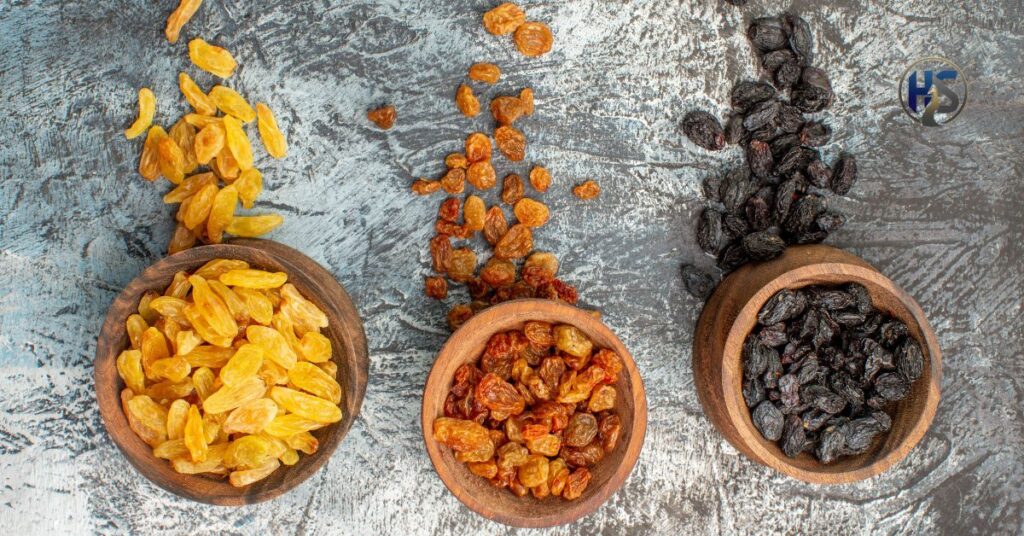
Common types include:
- Dark raisins—naturally sun-dried, rich in flavor
- Golden raisins (sultanas)—treated before drying to preserve color
- Currants—smaller, tangier dried grapes from specific varieties
Unlike processed sweets, raisins contain no added sugar. Their sweetness comes entirely from naturally occurring fructose and glucose.
Nutritional Profile: Why Raisins Are Nutrient-Dense
It provides a high concentration of nutrients per serving, making them valuable in small amounts.
Approximate nutrition per ¼ cup (40–45 g):
- Calories: 120–130
- Carbohydrates: 30–34 g
- Natural sugars: ~25–28 g
- Fiber: 1.5–2 g
- Potassium: ~300 mg
- Iron: ~0.7–1 mg
- Calcium: ~30 mg
What makes raisins stand out is nutrient efficiency a small portion delivers meaningful fiber, minerals, and phytonutrients without additives.
Natural Sugars Explained: Are Raisins Bad for Blood Sugar?
It contains natural sugars, but their impact on blood glucose is often misunderstood.
Despite their sweetness, raisins have a low to moderate glycemic response when consumed in reasonable portions. Fiber slows digestion, while the combination of fructose and glucose prevents rapid spikes commonly seen with refined sugar.
Key insight:
It raises blood sugar less aggressively than many processed snacks with similar calories.
For people managing blood sugar:
- Keep portions controlled
- Pair raisins with protein or fat (nuts, yogurt)
- Avoid eating them alone in large quantities
Digestive Health: How Raisins Support the Gut
It can provide both soluble and insoluble fiber, supporting digestive efficiency in several ways:
- Improves stool bulk and regularity
- Shortens intestinal transit time
- Supports a healthier gut environment
Some research suggests raisins may reduce colon acidity and promote favorable conditions for beneficial gut bacteria. For individuals with sluggish digestion, raisins can be a gentle, food-based solution when introduced gradually.

Heart Health and Blood Pressure Support
Raisins contribute to cardiovascular health through multiple mechanisms:
- Potassium supports healthy blood pressure by balancing sodium
- Fiber assists in cholesterol regulation
- Polyphenols protect blood vessels from oxidative stress
Regular, moderate consumption has been associated with improvements in LDL cholesterol and triglyceride levels. Raisins work best as part of a heart-conscious diet, not as a standalone remedy.
Antioxidants and Cellular Protection
Raisins contain a diverse range of plant compounds, including:
- Phenolic acids
- Flavonoids
- Catechins
These antioxidants help neutralize free radicals, unstable molecules that damage cells and accelerate aging. While raisins are not a cure-all, their antioxidant activity contributes to long-term cellular resilience when consumed consistently.
Bone Health and Mineral Absorption
It contains boron, a trace mineral often overlooked in nutrition. Boron supports calcium and magnesium metabolism, making raisins surprisingly helpful for bone health when combined with a balanced diet.
Although they are not high in calcium, they enhance mineral utilization, particularly in aging populations.
Iron Content and Energy Support
It supplies non-heme iron, supporting red blood cell production and oxygen transport. While plant-based iron absorbs less efficiently than animal sources, absorption improves significantly when paired with vitamin C-rich foods like citrus or berries.
This makes raisins especially useful for:
- Individuals with low iron intake
- Vegetarians and plant-focused diets
- People needing gentle energy support
Raisins and Oral Health: A Balanced Reality
They are sweet, but they are not as damaging to teeth as commonly assumed.
Certain compounds in raisins inhibit bacteria associated with cavities. Additionally, raisins do not cling to teeth as aggressively as sticky candies. Proper oral hygiene still matters, but raisins are far less harmful than refined sugary snacks.
Raisins vs Other Common Fruits
Raisins vs Fresh Grapes
- They are more calorie-dense
- Fresh grapes contain more water
- It can provide more minerals per gram
Raisins vs Dates
- Dates are higher in calories
- It offers more iron per serving
- Dates have a stronger glycemic impact
Raisins vs Dried Apricots
- Apricots provide more vitamin A
- It contain more antioxidants
- Both are excellent when rotated
Best Time and Best Way to Eat Raisins
Ideal Times
- Morning with breakfast
- Before exercise for quick energy
- As part of a balanced snack
Smart Pairings
- Nuts or seeds
- Yogurt
- Oatmeal or whole grains
Soaked vs Dry Raisins
Soaking raisins overnight:
- Softens fiber
- Improves digestibility
- May enhance mineral absorption
Both forms are beneficial; soaked raisins are often better for sensitive digestion.
How Many Raisins Should You Eat Per Day?
A safe, effective daily amount is 1–2 tablespoons to ¼ cup, depending on activity level and calorie needs.
More is not better. Raisins work best when treated as a nutrient booster, not a bulk food.
Who Should Be Careful with Raisins?
They are healthy for most people, but moderation matters for:
- Individuals with diabetes
- Those prone to bloating
- People managing weight loss
In these cases, portion control and food pairing are essential.
Traditional and Modern Diets
It has been used for centuries in:
- Middle Eastern rice dishes
- European baking
- Mediterranean salads
- Traditional herbal nutrition
Today, they remain a staple in cereals, trail mixes, and functional snacks—proof of their enduring nutritional value.
Common Myths
“Raisins are just sugar.”
False. They contain fiber, minerals, and antioxidants.
“Raisins cause weight gain.”
Only when eaten in excess.
“Raisins are bad for diabetics.”
Not when portions are controlled and paired correctly.
Final Verdict
It is a compact, nutrient-rich food that supports digestion, heart health, mineral balance, and energy production. They are not a miracle food, nor are they an empty-calorie snack. Their value lies in moderation, pairing, and consistency.
When used correctly, raisins earn their place as a functional, time-tested food with real health benefits.
Frequently Asked Questions
Q. Are raisins healthy to eat every day?
Yes, raisins are safe and healthy for daily consumption when eaten in moderation. A small serving provides fiber, antioxidants, and essential minerals that support digestion, heart health, and energy levels.
Q. How many raisins should you eat per day?
Most adults can safely consume 1–2 tablespoons up to ¼ cup per day, depending on activity level and calorie needs. Eating more than this regularly may increase sugar and calorie intake.
Q. Are raisins good for people with diabetes?
It can be included in a diabetes-friendly diet in controlled portions. Pairing them with protein or healthy fats helps slow sugar absorption and prevents blood glucose spikes.
Q. Is it better to eat soaked raisins or dry raisins?
Both are nutritious, but soaked raisins may be easier to digest and may improve mineral absorption. Dried fruits offer the same nutrients and are more convenient for daily use.
Q. Do raisins cause weight gain?
It does not cause weight gain when eaten in appropriate portions. Weight gain occurs only when total calorie intake consistently exceeds daily energy needs.