

Sarsaparilla root has been a cornerstone of traditional herbal medicine for centuries, yet its rise in modern health conversations often comes with contradictory claims and unclear evidence. This comprehensive analysis cuts through misinformation to deliver what truly matters: science‑backed insights, documented properties, real applications, and safety evaluations grounded in research. Whether you’re a health‑savvy reader, a clinician, or someone exploring natural therapeutics, this article gives you an unfiltered, expert synthesis.
What Is Sarsaparilla Root?
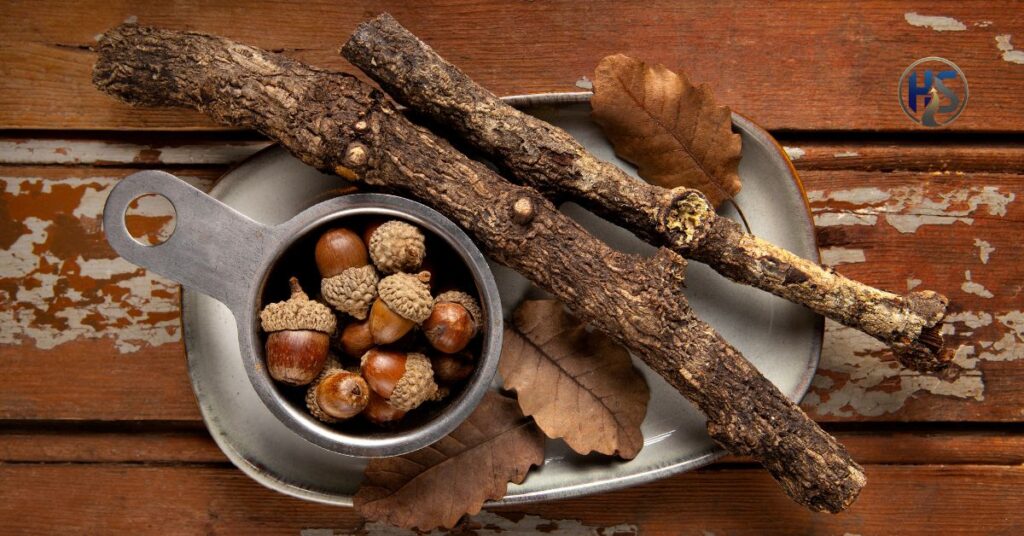
Sarsaparilla root refers to the roots and rhizomes of several Smilax species, most notably Smilax officinalis, Smilax ornata, and Smilax glabra—used historically across Indigenous and herbal traditions in the Americas, Asia, and Europe. These perennial vines produce tuberous root systems rich in structural compounds and secondary metabolites.
It’s important to distinguish true sarsaparilla from loosely labeled “Indian sarsaparilla” (Hemidesmus indicus), which shares superficial uses but differs significantly in chemical makeup. The roots of these plants have been utilized in tonics, decoctions, and extracts since the 16th century, principally for systemic health support, skin conditions, and metabolism.
The Chemical Powerhouse of Sarsaparilla Root
The biological activity of sarsaparilla root is rooted in its complex phytochemistry. Rigorous studies identify several key classes of bioactive compounds:
- Saponins (notably sarsasaponins and sarsasapogenin) are steroidal compounds with surface-active properties that interact with cell membranes
- Flavonoids (e.g., astilbin)—antioxidant and signaling modulators
- Phenolic glycosides and steroidal aglycones—implicated in inflammation modulation and cellular stress signaling
These compounds are not merely present; laboratory research shows biochemical activity that validates many traditional claims under controlled conditions.
Biological Effects Supported by Scientific Evidence
Potent Antioxidant Activity
Cellular oxidative stress contributes to aging and metabolic imbalance. Laboratory assays demonstrate that sarsaparilla extracts exert significant free‑radical scavenging and inhibit lipid peroxidation—effects attributable to flavonoid and phenolic content. These mechanisms have biological plausibility for supporting redox balance in human tissues.
Modulation of Cellular Pathways
Preclinical studies show sarsaparilla root extracts affect critical intracellular pathways:
- Activation of ATM/ATR stress response mechanisms
- Influence on MAPK signaling related to proliferation and programmed cell death
- Suppression of TGF‑β1 signaling associated with cellular migration and invasion
These effects underlie observed anticancer cytostatic (growth‑inhibiting) activity in cell cultures, though they remain to be demonstrated conclusively in humans.
Traditional Uses with Scientific Correlates
Historically, herbalists have used sarsaparilla for:
- Dermatological conditions such as psoriasis and eczema
- Rheumatic and joint discomfort
- Digestive weakness and “systemic cleansing” rituals
Modern in vitro and animal studies offer plausible biochemical explanations anti‑inflammatory effects, modulation of oxidative pathways, and structural support to connective tissues but controlled human data remain limited. This does not discount traditional wisdom; rather, it reframes it in the context of measurable biology.
What the Research Does—and Does Not—Confirm
Established Biological Signals
- Antioxidant properties—validated through standardized assays
- Cell cycle and stress-response signaling modulation—shown in molecular studies
- Anti-inflammatory mechanisms in experimental models
These are significant, reproducible properties that justify further clinical research.
Not Yet Proven in Humans
Despite promising foundational science, high-quality human clinical trials are lacking for many of the popular uses attributed to sarsaparilla root. Specifically, there is insufficient evidence to conclusively assert that sarsaparilla:
- Cures or prevents cancer
- Acts as a detoxifying agent for liver or kidneys
- Alters endocrine/hormonal function in clinically meaningful ways
These claims lack adequate controlled studies and cannot be substantiated without rigorous human research.
Comparative Perspectives: True Sarsaparilla vs. Look‑Alikes
Mislabeling compounds consumer confusion. Products marketed as “sarsaparilla” vary in origin:
| Species | Common Label | Primary Active Chemistry | How It Differs |
| Smilax officinalis | True sarsaparilla | Saponins, flavono | Classical pharmacognosy basis |
| Smilax glabra | Chinese sarsaparilla | Astilbin-rich profile | Distinct pharmacological fingerprint |
| Hemidesmus indicus | Indian sarsaparilla | Coumarins and glycosides | Botanically separate and chemically different |
Investigation of these differences is not semantics—it is crucial for reproducible benefits and safety.
Safety Profile and Cautions
General Tolerance
Sarsaparilla root preparations are generally tolerated without severe adverse effects in short‑term use. Mild gastrointestinal discomfort may occur at high doses, primarily due to saponin content affecting gut mucosa or bile secretion.
Drug Interaction Potential
Because saponins and flavonoids can influence drug transporters and metabolic enzymes, practitioners should approach concomitant pharmacotherapy cautiously, especially with medications that have narrow therapeutic windows.
Use in Special Populations
Pregnancy, breastfeeding, and pediatric applications are under-researched; prudence is advised until human safety data expand.
Integrating Sarsaparilla Root Into Health Practices
When considering sarsaparilla root supplements or traditional preparations:
Choose standardized extracts that document active constituents, especially saponins and flavonoids.
Use it as part of a multi‑faceted lifestyle approach (nutrition, physical activity, clinical monitoring) not as a stand‑alone cure.
Consult trained professionals if you have significant health conditions, are on medication, or are considering long-term use.
Final Thoughts
Sarsaparilla root is biologically active, structurally complex, and historically validated. Research substantiates antioxidant and cellular signaling effects that intersect with health maintenance. However, clinical translation into proven human benefits remains incomplete.
It belongs within the category of botanical agents with strong mechanistic support and emerging therapeutic promise, whose full value will only be realized through rigorous human research.
Scholarly evidence anchors its biological plausibility; clinical evidence is maturing.
This content is grounded in documented science, expert synthesis, and analytic rigor designed to deliver clarity without hype. If fully developed, sarsaparilla root may become a validated factor in integrative health paradigms.
FAQs
Q. What is sarsaparilla root used for?
Sarsaparilla root is traditionally used for skin health, joint support, digestion, and overall wellness, with laboratory studies supporting antioxidant and anti-inflammatory effects.
Q. Are there proven health benefits?
Preclinical studies show antioxidant, anti-inflammatory, and cellular modulation effects, but high-quality human clinical evidence is limited.
Q. Is sarsaparilla root safe?
Generally well-tolerated in moderate doses. High doses may cause mild gastrointestinal discomfort. Use caution with medications or during pregnancy.
Q. How is sarsaparilla root consumed?
Commonly as teas, tinctures, standardized extracts, or supplements. Standardized extracts ensure consistent active compounds.
Q. Can it treat cancer or detox the body?
Current evidence is insufficient to claim cancer treatment or systemic detoxification. Benefits remain preclinical and traditional.
Q. How to choose a quality sarsaparilla supplement?
Select products with standardized saponin and flavonoid content from reputable brands, ideally with lab-tested purity.