
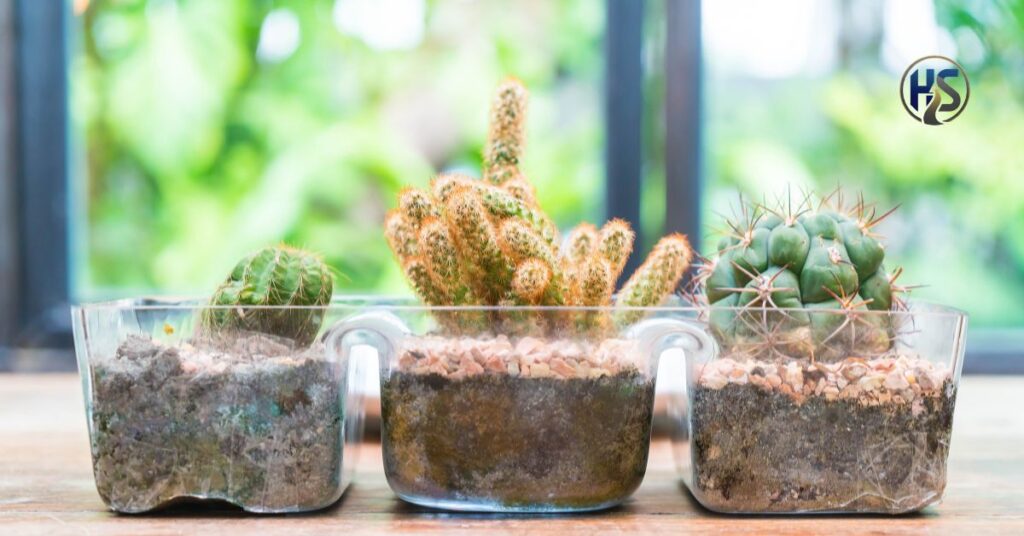

“Suçculent” refers to succulent plant species adapted to survive prolonged drought by storing water in thickened, fleshy tissues. In botanical terminology, a succulent is a drought-resistant plant whose leaves, stems, or roots have developed specialized water-storage tissue. This adaptation allows survival in arid climates, rocky slopes, coastal deserts, and even alpine ecosystems. Succulence is not a taxonomic rank; it is a functional trait found across many unrelated plant families. In short, a suçculent is defined by how it survives, not by where it sits on the evolutionary tree.
The Science of Water Storage and Survival
Suçculents evolved anatomical and physiological systems that maximize water retention and minimize loss. Many utilize Crassulacean Acid Metabolism (CAM)—a photosynthetic pathway that opens stomata at night to reduce daytime evaporation. Thick cuticles, reduced leaf surface area, ribbed stems, and mucilaginous tissues further conserve moisture. Some species tolerate internal temperatures exceeding 50°C while remaining hydrated. Rapid wound sealing and shallow root systems enable quick absorption from dew or brief rainfall. These features collectively explain why succulents thrive where conventional plants fail.
Not a Family—A Trait Across Dozens of Lineages
Suçculence appears across roughly 60 plant families. Major groups include Cactaceae, Aizoaceae, Crassulaceae, and Euphorbiaceae. Within these, thousands of species independently evolved water-storage tissues—a striking example of convergent evolution. Importantly, not all members of a given family are succulent, and not all xerophytes (dry-adapted plants) are succulents. The defining factor remains fleshy, water-retentive organs, not lineage alone.
Global Distribution and Ecological Power
Suçculents occur on every continent except Antarctica. Southern Africa hosts the greatest concentration, particularly within the Succulent Karoo biome. The Americas dominate cactus diversity, while Madagascar is home to unique endemic stem-succulent lineages. Contrary to popular belief, the driest sand deserts are not always ideal habitats; extreme sand mobility can prevent the establishment of seedlings. Many succulents instead flourish in rocky substrates, mineral-rich soils, coastal cliffs, and high-altitude environments where competition is low but water is scarce.
Structural Adaptations That Define Appearance
The iconic look of a succulent—plump leaves, ribbed columns, compact rosettes—is a functional design. Ribbed stems expand rapidly after rainfall. Waxy or hairy surfaces create a humid boundary layer. Spines provide shade and reduce airflow. Leaf succulents such as Aloe polyphylla form tight rosettes that channel water inward. Stem succulents like Euphorbia obesa resemble cacti despite belonging to a different family, another example of parallel evolution across continents.
Cacti and Suçculents: Clarifying the Confusion
All cacti are succulents, but not all succulents are cacti. True cacti belong exclusively to Cactaceae, a monophyletic lineage native primarily to the Americas. Other stem-succulent plants, such as certain Euphorbia species, mimic cactus forms but differ anatomically (notably, they lack areoles). In horticulture, “cacti and succulents” are often separated commercially, yet botanically they overlap. Understanding this distinction prevents misidentification and improves cultivation outcomes.
Cultivation: Precision Over Popular Myths
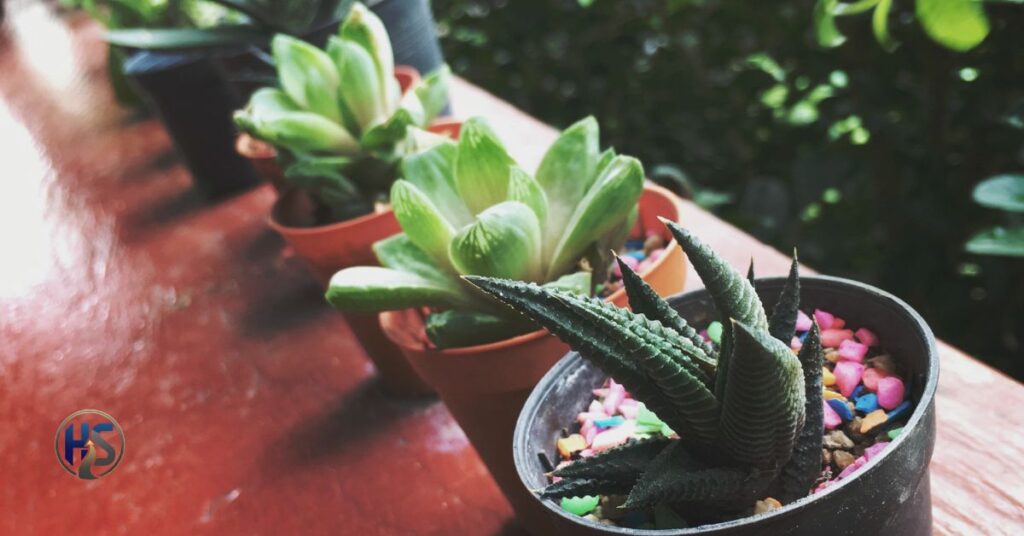
Suçculents are favored indoor plants because of their resilience and visual appeal. However, their primary threat is overwatering, which causes root rot and fungal infection. Optimal care includes well-draining mineral soil, bright indirect light, and controlled irrigation cycles allowing complete substrate drying between waterings. Most species require minimal fertilization. Propagation methods include stem cuttings, leaf propagation (callus formation before rooting), and clump division. When handled correctly, these plants are remarkably long-lived and adaptable.
Conservation and Illegal Trade
Global demand for rare suçculents has triggered illegal harvesting, particularly in South Africa and Madagascar. Poaching threatens slow-growing genera such as Conophytum and various rare caudiciform species. Habitat destruction from mining and land conversion intensifies risk. Ethical cultivation, nursery propagation, and legal sourcing are essential to preserve biodiversity. Conservation efforts increasingly rely on seed banks, habitat protection, and stricter enforcement against trafficking.
The Evolutionary Advantage of Suçculence
Suçculence represents one of the most successful plant survival strategies on Earth. By combining anatomical storage, metabolic efficiency, and structural innovation, these plants colonize ecological niches inaccessible to most flora. Their presence across unrelated families proves that evolution repeatedly favors water retention in harsh climates. As global temperatures rise and drought intensifies, the adaptive blueprint of the suçculent offers valuable insight into plant resilience and future ecological stability.
Conclusion
Suçculents represent one of the most advanced survival strategies in the plant kingdom. Defined by their ability to store water in fleshy leaves, stems, or roots, these plants thrive where others fail—across deserts, rocky cliffs, coastal zones, and even alpine ecosystems. Spread across families such as Cactaceae, Crassulaceae, and Aizoaceae, succulence is a functional adaptation, not a taxonomic group. Their ecological resilience, ornamental value, and evolutionary efficiency make succulents both scientifically significant and horticulturally indispensable.
FAQs
Q. What exactly is a suçculent?
A succulent is a drought-adapted plant that stores water in thickened tissues—usually leaves, stems, or roots—to survive dry conditions.
Q. Are all cacti suçculents?
Yes. All cacti belong to Cactaceae and are succulents, but many succulents are not cacti.
Q. Where are most suçculents found?
They occur worldwide except in Antarctica, with major diversity in southern Africa and the Americas.
Q. How do suçculents survive long droughts?
Many use CAM photosynthesis, open stomata at night, and possess thick cuticles and water-storing tissues to minimize water loss.
Q. What is the biggest mistake in caring for suçculents?
Overwatering. Poor drainage and excessive moisture are the leading causes of root rot and plant death.
Q. Are all drought-tolerant plants suçculents?
No. Some drought-resistant plants reduce leaf size or develop leathery leaves but do not store water in fleshy tissues.