
Tanning may give your skin a sun-kissed glow, but it is often a sign of UV damage rather than health. Sun protection tanning is a concept that focuses on enjoying the sun safely while minimizing the harmful effects of ultraviolet (UV) radiation. With rising awareness about skin cancer, premature aging, and pigmentation, understanding how to balance sun exposure with protection has never been more critical.
In this article, we’ll explore practical sun protection strategies, natural remedies for tanning, modern treatments to reverse tan, and expert tips for healthy skin.
Understanding Sun Protection Tanning
Sun protection tanning refers to the use of measures like sunscreen, protective clothing, and lifestyle adjustments to minimize UV damage while still enjoying outdoor activities. When your skin tans, it produces melanin to defend itself from UV radiation. This response is a natural protective mechanism, but it is not sufficient to prevent long-term skin damage.
Even minimal tanning indicates skin stress, which may lead to dark spots, premature wrinkles, and increased risk of skin cancer. Therefore, combining sun protection with controlled exposure is essential for both skin health and appearance.
Why Sun Protection Is Crucial
Exposure to UVA and UVB rays can result in several long-term skin issues:
- Premature Aging—UVA rays penetrate deep into the skin, breaking down collagen and causing wrinkles.
- Pigmentation—Sun exposure stimulates melanin production, leading to uneven skin tone and tanning.
- Skin Cancer—Prolonged UV exposure increases the risk of melanoma and other skin cancers.
- Sunburn—UVB rays cause immediate damage, including redness, pain, and peeling.
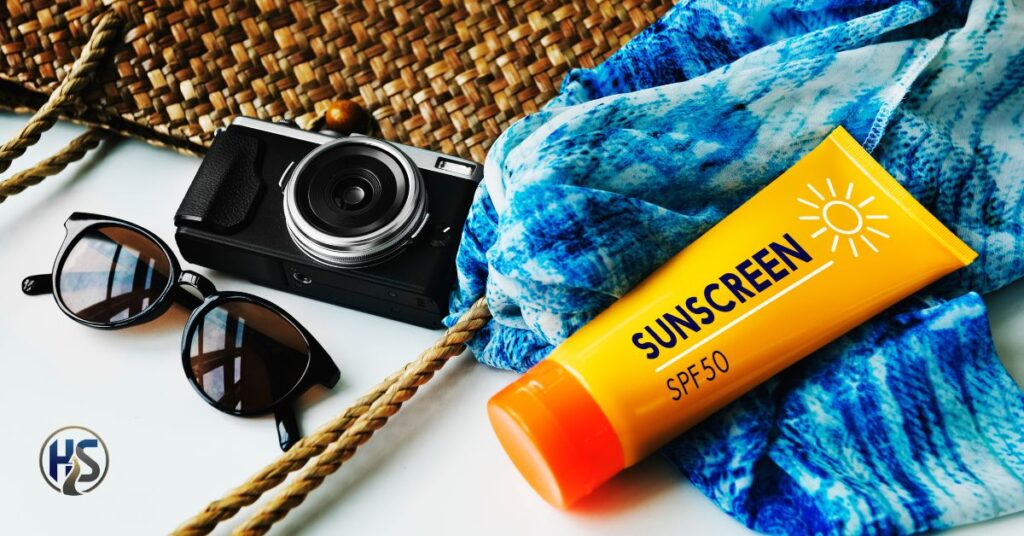
Using sunscreen, protective clothing, and shade reduces these risks significantly. Broad-spectrum sunscreens protect against both UVA and UVB rays, making them a cornerstone of sun protection tanning strategies.
Effective Sun Protection Strategies
To enjoy the sun without harming your skin, follow these expert-recommended strategies:
Choose the Right Sunscreen
- Opt for broad-spectrum SPF 30 or higher.
- Apply generously 15–30 minutes before sun exposure.
- Reapply every 2–3 hours, especially after swimming or sweating.
Wear Protective Clothing
- Long sleeves, hats, and UV-protective sunglasses shield your skin from harmful rays.
- Clothes with UPF (Ultraviolet Protection Factor) are highly recommended for maximum safety.
Avoid Peak UV Hours
- UV intensity is strongest between 10 a.m. and 4 p.m. Limit exposure during these hours for optimal sun protection.
Use Shade and Accessories
- Seek shade under umbrellas or trees, and consider using portable sun shelters during outdoor activities.
Natural Ingredients for Tanning Treatment
For those looking to reduce tan naturally, several home remedies and botanical ingredients have proven effective:
Aloe Vera
- Contains aloin, a natural depigmenting compound that helps lighten tanned skin.
- Soothes sunburn and supports skin regeneration.
Turmeric
- Rich in antioxidants and anti-inflammatory compounds, turmeric reduces pigmentation and evens out skin tone.
Lemon Juice
- Its citric acid gently exfoliates the skin and lightens tan.
- Should be used cautiously to avoid irritation.
Cucumber Extract
- Cooling and hydrating, cucumber aids in reducing redness and tan intensity.
Tomato and Yogurt Mask
- Lycopene in tomatoes protects against UV-induced pigmentation.
- Yogurt nourishes the skin while promoting gentle skin brightening.
Modern Treatments for Tanning
In addition to natural remedies, modern dermatology offers several treatments to effectively reduce tan and restore skin health:
Chemical Peels
- Use of mild acids like glycolic or lactic acid to remove dead skin layers.
- Helps fade tan and improve overall skin texture.
Laser Therapy
- Fractional lasers target pigmented cells and stimulate collagen production.
- Provides faster and more uniform tan removal.
Microdermabrasion
- Mechanical exfoliation removes surface pigmentation.
- Encourages cell turnover and brightens the skin.
Topical Lightening Agents
- Creams containing vitamin C, niacinamide, or kojic acid help in tan reduction.
- Safe for long-term use under dermatological guidance.
Lifestyle Habits to Prevent Tanning
Beyond sunscreen and treatments, daily lifestyle choices play a key role in reducing tanning and protecting your skin. Small adjustments can have a big impact:
- Limit Direct Sun Exposure—Seek shade whenever possible, especially during peak UV hours between 10 a.m. and 4 p.m.
- Use Sun-Protective Accessories—Hats, sunglasses, and umbrellas add extra layers of protection.
- Stay Hydrated—Drinking plenty of water keeps your skin healthy and resilient against UV stress.
- Follow a Skin-Friendly Diet—Include foods rich in antioxidants like berries, nuts, and leafy greens to repair and protect your skin.
- Avoid Tanning Beds—Artificial UV rays are highly damaging and accelerate skin aging.
Incorporating these habits into your routine not only reduces tanning but also promotes overall skin health, complementing sun protection measures and treatments.
Expert Tips for Maintaining Healthy Skin
- Hydrate Regularly—Proper hydration enhances skin recovery and reduces dryness.
- Moisturize Daily – Helps maintain a protective barrier and prevent peeling.
- Balanced Diet—Foods rich in antioxidants like berries, nuts, and green vegetables help repair sun damage.
- Regular Exfoliation—Gently removes dead skin and promotes even skin tone.
Conclusion
Sun protection tanning is all about enjoying the outdoors safely while minimizing UV damage. Combining sunscreen, protective clothing, and smart habits with natural and modern treatments can help manage tans and maintain radiant skin. Remember, tanning may look attractive, but it is often a sign of skin damage. Prioritize protection and treat your skin gently for long-term health and beauty.
By following these strategies, you can reduce tanning, protect against skin damage, and achieve healthy, glowing skin safely.
FAQs
Q. Can I still tan while using sunscreen?
Yes, sunscreen reduces UV exposure but doesn’t completely prevent tanning. Choose broad-spectrum SPF 30+ for best protection.
Q. Are natural remedies effective for tan removal?
Yes, ingredients like aloe vera, turmeric, and lemon juice help lighten tans gently and safely over time.
Q. How often should I reapply sunscreen?
Every 2–3 hours, especially after swimming, sweating, or towel-drying.
Q. Can laser treatments remove tan instantly?
Laser therapy significantly reduces pigmentation, but multiple sessions may be needed for best results.
Q. Is a tan healthy?
No. A tan indicates UV-induced skin damage, not health or immunity. Proper sun protection is essential.