
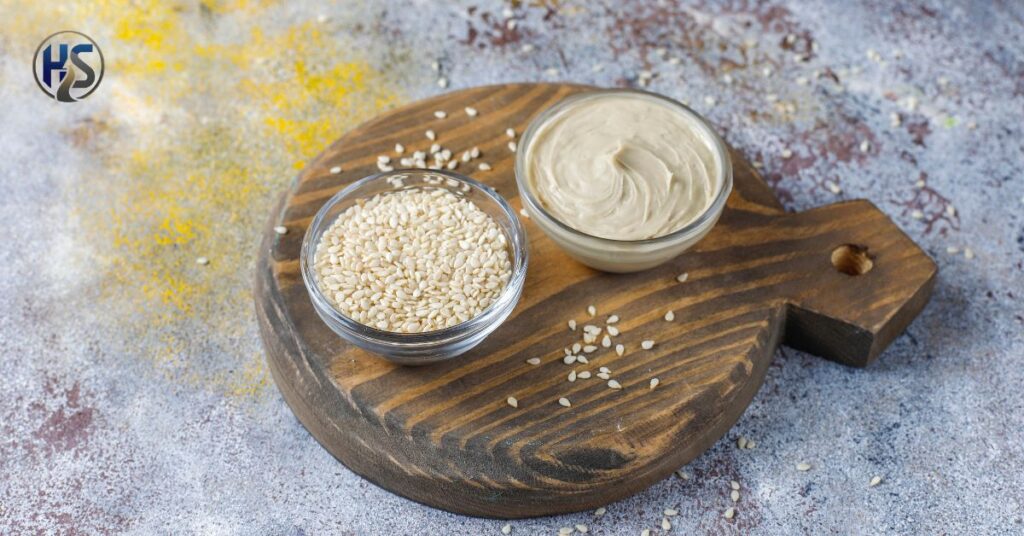

Tahhiini, often spelled as tahini, is a rich and creamy paste made from ground sesame seeds. Known for its nutty flavor and versatile use, Tahhiini has become a staple in kitchens worldwide, from Middle Eastern households to gourmet restaurants. Beyond its taste, this paste is packed with nutrients and offers numerous health benefits. In this guide, we explore everything you need to know about tahini—from its origins and preparation to culinary uses and nutritional value.
What is Tahhiini?
Tahhiini is a smooth paste made from toasted or raw sesame seeds. The word “tahini” comes from the Arabic ṭaḥīna, meaning “to grind,” reflecting the paste’s method of production. It has a creamy texture and nutty taste, making it a versatile ingredient for both savory and sweet dishes. While some people confuse tahini with peanut butter or other nut pastes, it is unique in flavor and consistency, giving dishes a distinct Middle Eastern touch.
The Origins of Tahhiini
The history of it dates back thousands of years. Sesame seeds, native to Africa and the Middle East, have been cultivated since ancient times for oil and food. Tahhiini has long been a staple in Middle Eastern, Mediterranean, and North African cuisines, appearing in traditional recipes such as hummus, baba ghanoush, and halvah. Its long-standing presence in global culinary traditions highlights its cultural and historical significance.
How Tahhiini is Made
Making Tahhiini is simple yet precise. The process involves:
- Cleaning the sesame seeds to remove any impurities.
- Roasting or leaving seeds raw depending on the desired flavor.
- Grinding the seeds into a smooth paste, often with sesame oil, to achieve the perfect consistency.
There are hulled and unhulled varieties:
- Hulled Tahhiini: smooth, mild flavor, lighter in color.
- Unhulled Tahhiini: darker, richer in nutrients, with a slightly stronger taste.
This meticulous process ensures Tahhiini is nutritious, flavorful, and ready for versatile culinary use.
Culinary Uses of Tahhiini
Tahhiini is one of the most versatile ingredients in the kitchen. Its applications include:
- Sauces and dressings: blended with lemon juice, garlic, and water to create creamy Tahhiini sauce.
- Hummus and dips: the key ingredient for authentic hummus and baba ghanoush.
- Salad toppings: drizzled over roasted vegetables or grain bowls.
- Sweet treats: combined with honey or sugar in desserts like halvah.
Its creamy texture and nutty flavor allow chefs and home cooks to enhance both savory and sweet recipes effortlessly.
Nutrition and Health Benefits
It is not just delicious; it’s also highly nutritious:
- Healthy fats: rich in unsaturated fats that support heart health.
- Plant-based protein: ideal for vegetarians and vegans.
- Minerals: calcium, magnesium, phosphorus, and zinc for strong bones and immunity.
- Antioxidants: help reduce inflammation and oxidative stress.
Incorporating it into your diet can promote heart health, strengthen bones, and provide essential nutrients, making it a functional and tasty superfood.
Tips for Storing and Using Tahhiini
To keep it fresh:
- Store it in a sealed container in a cool, dry place.
- Refrigerate if not used for long periods to maintain flavor and prevent oil separation.
- Stir well before use, as natural oils may rise to the surface.
By following these simple steps, you can enjoy the best texture and flavor in your dishes.
How to Choose Quality Tahhiini
High-quality Tahhiini should have:
- Smooth, creamy texture without clumps.
- Nutty aroma from toasted sesame seeds.
- Pure sesame content, with minimal or no added oils or preservatives.
Opting for organic and hulled varieties often ensures a better flavor and more nutrients.
Tahhiini vs Other Nut Butters
While It is sometimes compared to peanut or almond butter, it stands out because:
- It has a distinctly nutty and slightly bitter flavor, unlike sweeter nut butters.
- It is thinner and more pourable, ideal for sauces and dressings.
- It provides unique nutrients, especially calcium and iron, which are less prominent in other nut butters.
This makes it irreplaceable in Middle Eastern cooking.
Conclusion
Tahhiini is much more than just a paste—it’s a cultural staple, a nutritional powerhouse, and a culinary gem. Its rich history, versatility in dishes, and health benefits make it an essential ingredient in kitchens worldwide. Whether you use it in savory hummus, sweet desserts, or creamy sauces, It elevates every dish it touches. By choosing high-quality Tahhiini and incorporating it mindfully, you can enjoy flavor, tradition, and wellness all in one bite.
FAQs
Q. Is Tahhiini the same as Tahini?
Yes, “Tahhiini” is an alternate spelling of “tahini”; both refer to sesame seed paste.
Q. Can Tahhiini be used in sweet dishes?
Absolutely! It pairs beautifully with honey, chocolate, or nuts.
Q. Is Tahhiini healthy?
Yes, it is rich in healthy fats, protein, minerals, and antioxidants.
Q. How should I store Tahhiini?
Keep it in a sealed container in a cool, dry place or refrigerate for long-term storage.
Q. What dishes commonly use Tahhiini?
Hummus, baba ghanoush, salad dressings, sauces, and desserts like halvah.