
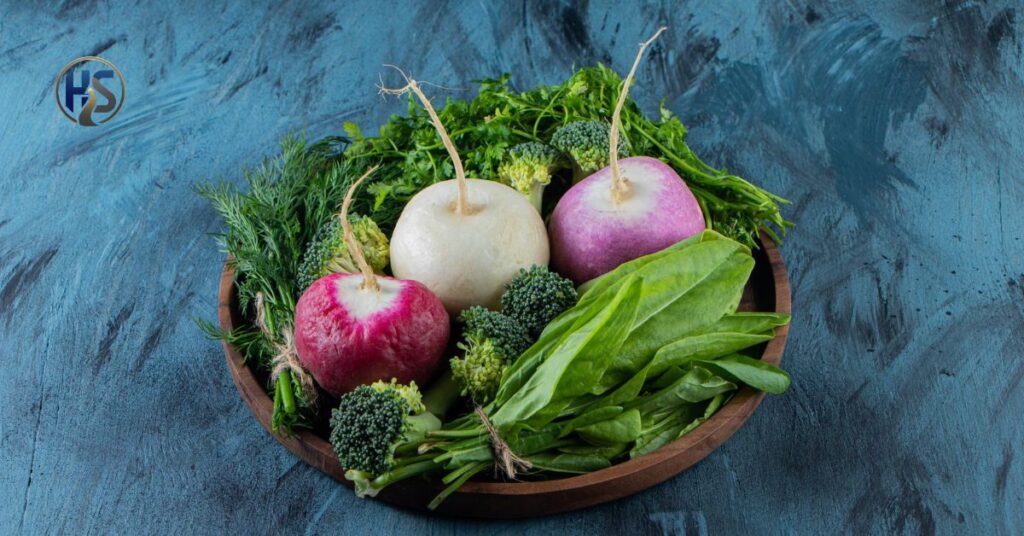

Tonghou (often written as Tong Ho or Tong Hao) is a vibrant green leafy vegetable scientifically known as Glebionis coronaria. This nutrient-dense plant belongs to the daisy family and has been used in Asian kitchens for centuries. Today, tonghou is gaining global attention as a functional green vegetable, valued for its flavor, health benefits, and sustainability.
The plant grows quickly, produces aromatic leaves, and thrives in cool climates. Its tender green foliage carries a mild herbal bitterness similar to arugula and spinach. Because of its strong nutritional profile and eco-friendly cultivation, Tonghou is increasingly recognized as a modern go-green food choice for healthy diets and sustainable agriculture.
Botanical Profile and Agricultural Characteristics of Tonghou
Tonghou is a fast-growing leafy plant cultivated primarily as a vegetable crop. Botanically, it belongs to the Asteraceae family, which includes lettuce, daisies, and sunflowers. Unlike typical leafy greens, Tonghou combines culinary, medicinal, and ecological value.
The plant typically grows between 30 and 90 centimeters tall. It produces deeply lobed green leaves, slender stems, and small yellow daisy-like flowers when mature. Farmers prefer Tonghou because it adapts well to different soil types and climates, making it a low-maintenance crop suitable for sustainable farming systems.
Its rapid growth cycle, often harvestable within 35–50 days, makes tonghou a practical choice for both commercial growers and home gardeners seeking a high-yield green vegetable with minimal environmental impact.
Nutritional Powerhouse: Why Tonghou Is Considered a Super Green
Tonghou stands out nutritionally among leafy vegetables due to its high concentration of vitamins, minerals, and protective plant compounds. Regular consumption supports multiple aspects of human health.
Key nutrients found in Tonghou include the following:
- Vitamin A—supports vision, skin health, and immune function
- Vitamin C—promotes immunity and antioxidant protection
- Calcium—strengthens bones and teeth
- Iron—supports oxygen transport in blood
- Dietary fiber—improves digestion and gut health
These nutrients work together to support immune defense, cardiovascular health, and metabolic balance. Tonghou also contains flavonoids and carotenoids, bioactive compounds known to reduce oxidative stress in the body.
Because of this nutritional density, many nutrition experts consider Tonghou part of the next generation of functional vegetables.
Health Benefits of Tonghou for Modern Wellness
The health advantages of Tonghou extend beyond basic nutrition. Research on edible chrysanthemum greens suggests several potential wellness benefits.
Tonghou may help support:
• Heart health by providing antioxidants that protect blood vessels
• Digestive health due to its fiber content
• Immune strength through vitamins and phytochemicals
• Anti-inflammatory protection from plant antioxidants
Traditional herbal systems in East Asia have long used Tonghou leaves to help improve circulation and reduce internal heat in the body. While modern science continues to explore these claims, the plant’s nutrient profile strongly supports its role as a health-promoting green vegetable in balanced diets.
Tonghou in Culinary Culture
Tonghou has been a staple vegetable in Chinese, Japanese, and Korean cuisine for generations. Its unique herbal flavor adds depth to a wide variety of dishes. In Japan, it is known as “Shungiku,” while Chinese cuisine often refers to it as “Tong Ho.”
Common culinary uses include:
- Hot pot vegetables
- Stir-fried greens
- Herbal soups
- Noodle dishes
- Fresh salads
The leaves soften quickly when cooked, releasing a delicate aroma that enhances broths and stir-fries. Modern chefs increasingly incorporate Tonghou into plant-forward menus, vegan dishes, and wellness cuisine because it combines flavor with nutritional density.
This versatility makes Tonghou an ideal ingredient for both traditional comfort foods and contemporary healthy cooking.
Why Tonghou Supports the Go-Green Movement
Tonghou fits perfectly within the global shift toward sustainable and environmentally responsible food systems. Compared with many commercial crops, the plant requires fewer agricultural inputs.
Several factors make Tonghou eco-friendly:
• Rapid growth cycle reduces resource consumption
• Minimal fertilizer requirements
• Adaptability to organic farming systems
• High productivity in small garden spaces
Because it grows quickly and densely, Tonghou can be harvested multiple times within one season. This efficiency reduces land pressure and improves food sustainability.
As consumers increasingly prioritize eco-conscious diets, Tonghou represents a green vegetable that supports both personal health and environmental resilience.
How to Grow Tonghou at Home for Fresh Organic Greens
Growing Tonghou at home is surprisingly simple, even for beginner gardeners. The plant thrives in cool temperatures and well-drained soil, making it suitable for small gardens or container cultivation.
Basic growing steps include:
• Plant seeds in early spring or autumn
• Provide moderate sunlight
• Water regularly but avoid overwatering.
• Harvest young leaves for the best flavor
Home gardeners appreciate Tonghou because it produces edible leaves within a few weeks. Regular harvesting encourages continuous growth, allowing households to enjoy fresh organic greens directly from their garden.
Why Tonghou Is Emerging as a Future Superfood
Global dietary trends increasingly emphasize nutrient-dense, plant-based foods with minimal environmental impact. Tonghou meets both of these priorities.
Its growing popularity can be attributed to several factors:
- rising interest in Asian superfoods
- Demand for sustainable vegetables
- increasing awareness of functional nutrition
- expansion of plant-based diets worldwide
Food scientists and nutrition experts are beginning to highlight Tonghou as a high-value green vegetable for modern health-focused lifestyles. Its combination of flavor, nutrients, and ecological benefits makes it well-positioned to become a major component of future sustainable diets.
Conclusion
Tonghou represents far more than a simple leafy vegetable. It is a nutrient-rich super green, a culinary tradition, and a sustainable crop aligned with the future of food. With its powerful nutritional profile, versatile culinary uses, and environmentally friendly cultivation, Tonghou offers a compelling solution for people seeking healthier and greener diets.
As global interest in plant-based nutrition and eco-conscious agriculture continues to grow, Tonghou stands out as a smart, sustainable, and delicious addition to modern wellness cuisine. Incorporating this vibrant green leaf into everyday meals supports both personal health and the long-term sustainability of our food systems.
FAQs
Q. What is Tonghou?
It is a leafy green vegetable known scientifically as Glebionis coronaria. It belongs to the chrysanthemum family and is widely used in Asian cuisine.
Q. Is Tonghou healthy?
Yes. It is rich in vitamins A and C, minerals like calcium and iron, and antioxidant compounds that support immune health and digestion.
Q. Is Tonghou the same as chrysanthemum greens?
Yes. Tonghou, Tong Ho, and chrysanthemum greens all refer to the same edible plant species used as a vegetable.
Q. How does it taste?
It has a mild herbal flavor with slight bitterness, similar to a blend of spinach, arugula, and parsley.
Q. Can it be eaten raw?
Yes. Young leaves can be eaten raw in salads, while mature leaves are commonly cooked in soups, stir-fries, and hot pots.