

Have you ever stopped a set of deadlifts not because your back was tired, but because your hands started slipping? That small moment says a lot. Grip strength is often ignored, yet it quietly controls how much progress you make in the gym and how easily you handle daily tasks.
When your grip is strong, your training feels stable and powerful. When it is weak, it limits your muscle growth and performance. Understanding why grip strength matters can completely change the way you approach your workouts and even your everyday life.
What Grip Strength Really Means
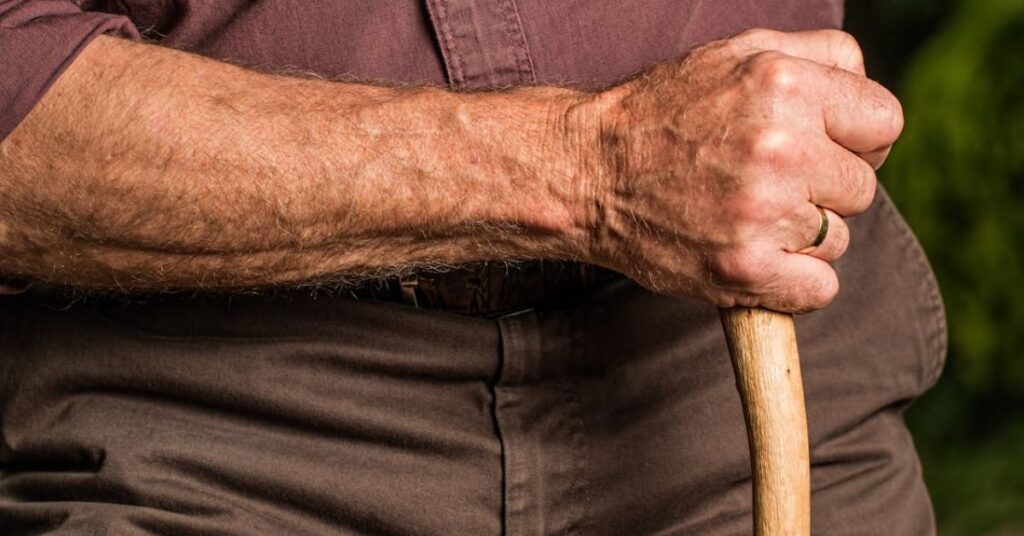
Grip strength is the force created by the muscles in your hands and forearms to hold, squeeze, or carry an object. It involves crushing strength when you squeeze something, support strength when you hold weight for time, and pinching strength when you grip objects between your fingers.
These different types of grip work together in exercises like pull ups, rows, deadlifts, and farmer carries. Even pressing movements rely on hand stability to maintain control. Your grip acts as the connection between your body and the weight. If that connection is weak, everything else suffers.
How Grip Strength Directly Supports Muscle Growth
Muscle growth depends on progressive overload. This means gradually lifting heavier weights or increasing the number of repetitions. However, if your grip gives out before your larger muscle groups are fully challenged, you stop the set early.
For example, during heavy back training, your lats and traps may still have strength left, but your fingers cannot hold the bar any longer. That cuts short the muscle stimulus needed for growth. A stronger grip allows you to complete more reps, handle heavier loads, and maintain proper tension throughout the movement.
Grip strength also improves time under tension. When you can hold weight securely for longer periods, your muscles stay engaged. This leads to better muscle fiber activation and stronger adaptation over time. Small improvements in grip can create noticeable changes in overall muscle size and strength.
The Role of Grip Strength in Upper Body Development
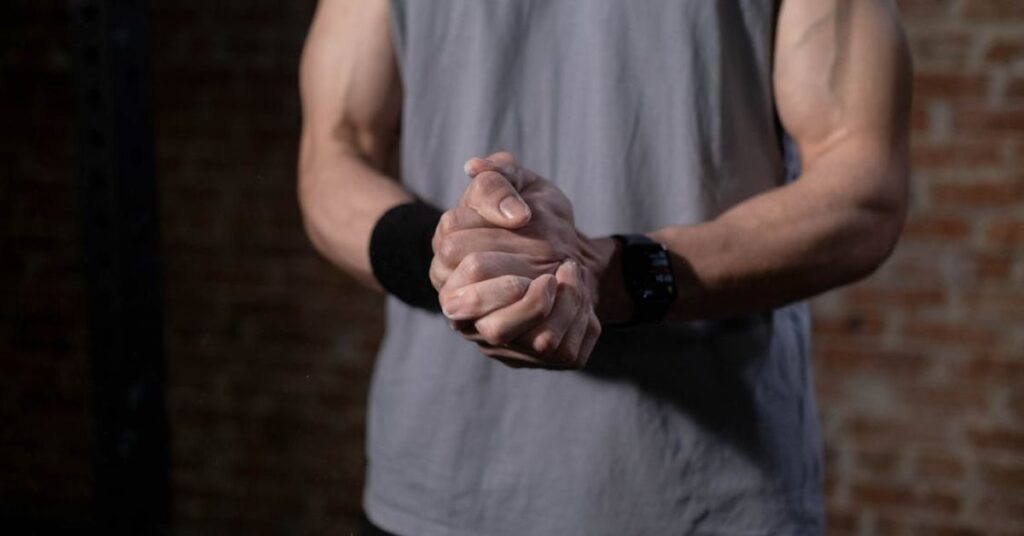
Your forearms are active in almost every upper body movement. As you train your grip, you naturally build thicker and stronger forearms. This not only improves appearance but also supports bigger lifts.
A stable grip enhances your mind muscle connection. When your hands feel secure around the bar or dumbbell, you can focus more on squeezing your chest, back, or arms during each repetition. Better control leads to cleaner form and stronger contractions. Over time, this improves muscle symmetry and definition.
Grip Strength and Functional Daily Performance
Grip strength is not just about lifting weights. It directly affects how you perform everyday activities. Carrying grocery bags, moving furniture, lifting suitcases, opening tight lids, and even shaking hands all require hand strength.
When your grip is strong, these tasks feel lighter and easier. You experience less fatigue and more control. As people age, grip strength becomes even more important. Studies often use it as a simple indicator of overall physical health and independence. Maintaining strong hands supports better mobility and long term functionality.
Injury Prevention and Joint Stability
Weak grip strength can lead to instability in the wrists and elbows. When your hands cannot firmly control the weight, your joints compensate. This can increase stress on tendons and ligaments. Over time, this may lead to discomfort or injury.
A stronger grip improves wrist alignment and overall joint stability. It reduces unwanted movement and helps maintain proper lifting technique. This creates safer workouts and protects your upper body during heavy training.
Grip Strength as a Sign of Overall Health
Grip strength is often used in health assessments because it reflects total body muscle condition. Lower grip strength is sometimes associated with reduced muscle mass and physical resilience.
Building and maintaining strong hands supports better muscular balance. It shows that your body can produce and sustain force effectively. While it may seem like a small detail, it offers insight into your overall strength foundation.
Practical Ways to Improve Grip Strength
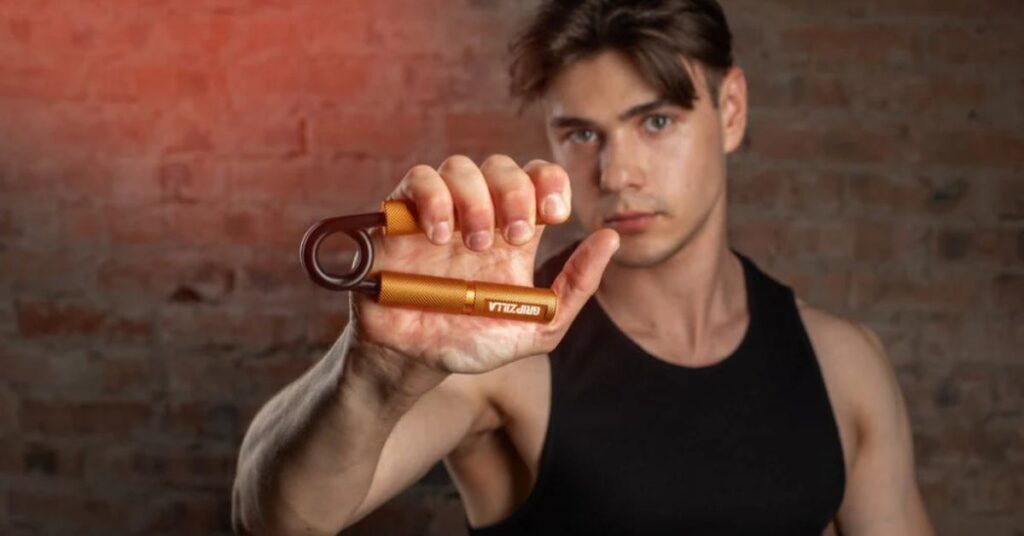
Improving grip strength does not require complex programming. Simple and consistent effort makes a big difference. Exercises such as dead hangs, farmer carries, heavy holds, and squeezing hand grippers are very effective.
You can also explore structured grip training tools from trusted fitness brands like Gripzilla, which specialize in building stronger hands and forearms.
Start by adding a few focused sets at the end of your workout. Even five to ten minutes of direct grip training two to three times per week can gradually improve your holding power.
Long Term Benefits of Strong Grip Strength
When your grip improves, your entire training experience changes. You lift heavier without fear of slipping. You perform more repetitions with control. You feel stronger not just in the gym, but in daily life.
Over time, this creates a strong foundation for total body development. Grip strength may seem like a small part of fitness, but it supports muscle growth, enhances performance, reduces injury risk, and improves daily function.
Conclusion
Grip strength truly matters for muscle growth and daily performance because it connects your body to every lift and every task. Strong hands allow your larger muscles to work harder, grow faster, and perform better. They also make daily life easier and more comfortable.
Instead of treating grip strength as an afterthought, see it as a foundation. When you strengthen your hands, you strengthen your potential for overall progress.