
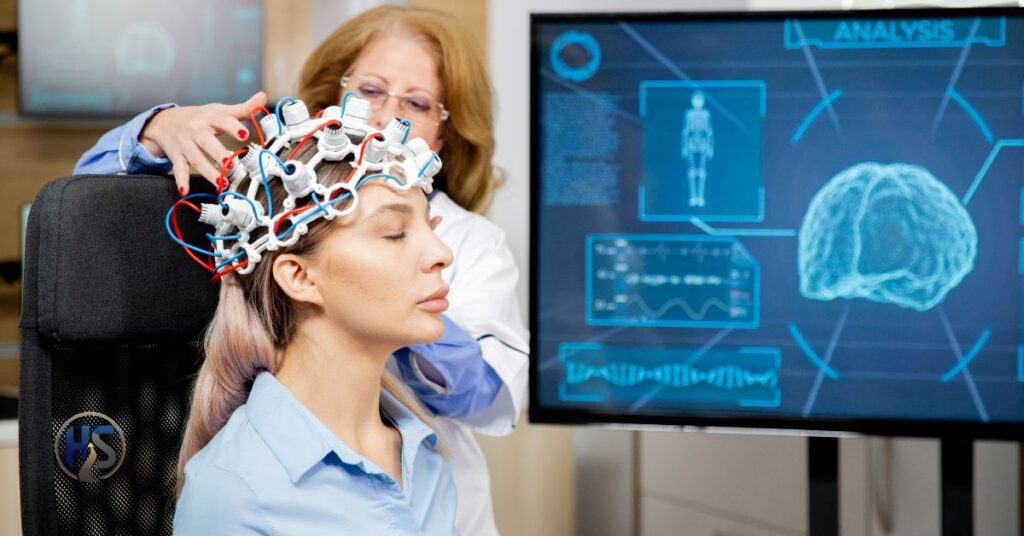

Neuromodulation is one of the most advanced breakthroughs in modern neuroscience and medicine. It refers to the targeted alteration of nerve activity using electrical, magnetic, or chemical stimulation to regulate dysfunctional neural circuits. Unlike traditional treatments that rely heavily on medication or invasive surgery, neuromodulation works by restoring balance within the nervous system itself. This approach has become a powerful therapeutic option for conditions such as chronic pain, Parkinson’s disease, epilepsy, depression, and spinal cord injuries. As research advances, neuromodulation is increasingly recognized as a precision-based therapy capable of improving neurological health, enhancing recovery, and transforming long-term disease management.
Understanding Neuromodulation and How It Works
Neuromodulation involves the controlled stimulation of specific nerves or brain regions to influence how neurons communicate. The nervous system functions through complex electrical and chemical signals. When these signals become disrupted due to injury, disease, or degeneration, symptoms such as pain, tremors, seizures, or mood disorders can develop. Neuromodulation therapies aim to correct these abnormal signals by delivering carefully calibrated stimulation.
This stimulation can either increase or decrease neural activity depending on the therapeutic goal. Electrical pulses, magnetic fields, or targeted chemical signals interact with neural circuits to regulate neurotransmitters and normalize communication between brain regions. Over time, repeated stimulation can strengthen beneficial neural pathways and weaken harmful ones, allowing the brain and nervous system to reestablish healthier patterns of function.
The Science Behind Neural Circuit Modulation
The effectiveness of neuromodulation lies in its ability to directly influence neural networks responsible for movement, sensation, cognition, and emotional regulation. Many neurological and psychiatric conditions are now understood as disorders of network dysfunction rather than damage to a single brain region. Neuromodulation targets these networks.
Stimulation can alter neuronal membrane potentials, regulate synaptic transmission, and reshape neural oscillations that coordinate brain activity. It also influences the release of neurotransmitters such as dopamine, serotonin, glutamate, and gamma-aminobutyric acid (GABA). These biochemical adjustments restore equilibrium in neural circuits and support neuroplasticity—the brain’s ability to reorganize itself and adapt following injury or disease.
This network-based approach explains why neuromodulation can produce meaningful improvements even in patients who have not responded to conventional treatments.
Major Types of Neuromodulation Therapies
Neuromodulation therapies are broadly categorized into invasive and non-invasive approaches, each designed for different medical conditions and levels of severity.
Invasive neuromodulation involves implanted devices that deliver precise electrical stimulation directly to targeted nerves or brain structures. Deep brain stimulation is one of the most widely known examples, where electrodes are placed in specific brain regions to control abnormal motor signals. Spinal cord stimulation targets pain pathways within the spinal cord to reduce chronic pain, while vagus nerve stimulation influences brain circuits linked to epilepsy and depression.
Non-invasive neuromodulation techniques stimulate the nervous system externally without surgical implantation. Methods such as transcranial magnetic stimulation and transcranial direct current stimulation use electromagnetic or electrical fields applied through the scalp to regulate cortical activity. These approaches are increasingly used in mental health care, rehabilitation medicine, and cognitive research.
Both approaches aim to recalibrate neural signaling rather than suppress symptoms, making them unique among modern therapeutic strategies.
Neuromodulation in Chronic Pain Management
Chronic pain is one of the most common reasons patients undergo neuromodulation therapy. Persistent pain conditions often arise when pain signals continue to travel through nerve pathways even after the original injury has healed. Neuromodulation interrupts these abnormal signals.
Spinal cord stimulation, for example, sends electrical pulses that modify pain transmission before it reaches the brain. Instead of experiencing intense pain, patients may feel a mild tingling sensation or significantly reduced discomfort. This therapy has shown strong effectiveness for conditions such as neuropathic pain, failed back surgery syndrome, and complex regional pain syndrome.
One of the most important benefits is the reduction of reliance on opioid medications. By targeting the neurological origin of pain, neuromodulation provides a safer long-term strategy for pain control and functional recovery.
Neuromodulation in Neurological Disorders
Neurological diseases often involve disrupted communication between brain regions that regulate movement and coordination. Neuromodulation therapies are designed to stabilize these disrupted signals.
Deep brain stimulation has revolutionized the treatment of movement disorders such as Parkinson’s disease, essential tremor, and dystonia. Delivering electrical stimulation to structures involved in motor control, it can significantly reduce tremors, stiffness, and involuntary movements. Patients often regain mobility, independence, and improved quality of life.
Neuromodulation is also being explored for conditions such as epilepsy, Alzheimer’s disease, and traumatic brain injury. By modulating neural circuits associated with memory, cognition, and seizure activity, researchers hope to slow disease progression and restore functional capacity.
Mental Health Applications of Neuromodulation
Neuromodulation has become an important treatment option in psychiatry, particularly for individuals who do not respond to traditional medications or psychotherapy. Mental health disorders frequently involve dysregulated brain networks that control mood, emotional processing, and cognitive flexibility.
Transcranial magnetic stimulation is now widely used for treatment-resistant depression. The therapy stimulates areas of the prefrontal cortex associated with mood regulation. Over a series of sessions, patients often experience improved mood stability, reduced anxiety, and enhanced cognitive clarity.
Vagus nerve stimulation has also demonstrated benefits for depression and epilepsy by influencing brain regions connected to emotional regulation. These therapies highlight the growing role of neuromodulation in restoring mental health through direct neural circuit regulation.
Neuromodulation and Brain Plasticity in Rehabilitation
One of the most promising aspects of neuromodulation is its ability to accelerate neuroplasticity during rehabilitation. After neurological injuries such as stroke or spinal cord damage, the brain must reorganize itself to regain lost functions.
Neuromodulation can stimulate dormant neural pathways and encourage the formation of new connections. When combined with physical therapy, motor training, or cognitive rehabilitation, stimulation enhances the brain’s capacity to relearn essential skills. Patients recovering from stroke, for example, may experience faster improvements in motor control and speech when neuromodulation techniques are incorporated into therapy programs.
This synergy between stimulation and rehabilitation represents a new frontier in recovery-focused neurological care.
Safety, Risks, and Medical Considerations
Although neuromodulation therapies are generally safe when performed by trained specialists, they are still medical procedures that require careful evaluation. Implantable devices involve surgical placement, which carries risks such as infection, device malfunction, or lead displacement. Regular follow-up is necessary to adjust stimulation parameters and ensure optimal performance.
Non-invasive therapies have fewer risks but may still produce mild side effects such as headaches, scalp discomfort, or temporary fatigue. Patient selection is therefore essential, and treatment should always be guided by neurological assessment and clinical expertise.
When properly implemented, the benefits of neuromodulation often outweigh the risks, especially for patients with severe or treatment-resistant conditions.
Future Innovations Shaping Neuromodulation
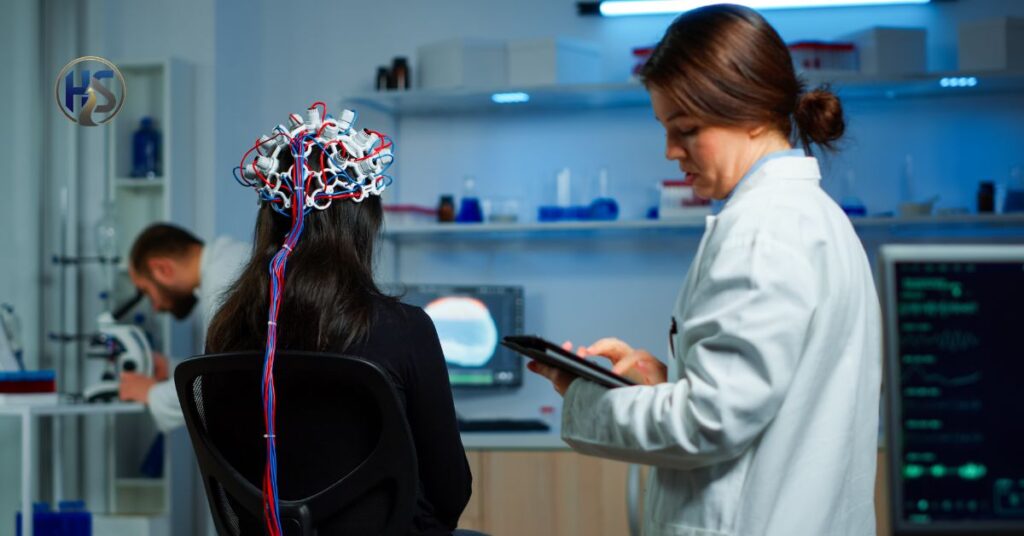
Neuromodulation technology continues to evolve rapidly with advances in neuroscience, artificial intelligence, and biomedical engineering. Next-generation systems are being developed to create adaptive stimulation that automatically adjusts based on real-time brain activity. These closed-loop systems provide personalized therapy by responding to changes in neural signals as they occur.
Researchers are also exploring ultrasound neuromodulation, optogenetics, and brain–computer interfaces that may allow precise control of neural circuits without invasive surgery. Such innovations could redefine treatment approaches for neurological diseases, paralysis, chronic pain, and mental health disorders.
As understanding of the brain deepens, neuromodulation is expected to become a central tool in precision medicine, capable of restoring function in ways that were previously impossible.
Why Neuromodulation Is Transforming Modern Healthcare
Neuromodulation represents a major shift in how complex diseases of the brain and nervous system are treated. Instead of relying solely on medications that affect the entire body, clinicians can now target the specific neural circuits responsible for symptoms. This precision approach allows treatments to be adjustable, reversible, and highly personalized.
For millions of people living with neurological disorders, chronic pain, or mental health conditions, neuromodulation offers hope where conventional treatments may fail. By directly addressing the electrical language of the nervous system, it opens a pathway toward restoring balance, improving quality of life, and advancing the future of neurological care.
Conclusion
Neuromodulation stands at the intersection of neuroscience, technology, and modern medicine. Through targeted stimulation of neural circuits, it offers a powerful method for correcting dysfunctional signaling within the brain and nervous system. From chronic pain management and neurological disease treatment to mental health care and rehabilitation, neuromodulation is reshaping how clinicians approach some of the most challenging medical conditions. As research continues and technologies become more sophisticated, this field is poised to play a transformative role in the future of healthcare, offering precise, adaptable, and highly effective therapies for disorders once considered difficult to treat.
FAQs
Q. What is neuromodulation in simple terms?
Neuromodulation is a medical technique that alters nerve activity using electrical, magnetic, or chemical stimulation to restore proper communication within the nervous system.
Q. What conditions can neuromodulation treat?
Neuromodulation is used for chronic pain, Parkinson’s disease, epilepsy, treatment-resistant depression, essential tremor, spinal cord injuries, and certain bladder disorders.
Q. Is neuromodulation safe?
When performed by trained specialists, neuromodulation therapies are generally safe. Implantable devices require surgery, while non-invasive methods carry minimal risk.
Q. Is neuromodulation the same as brain stimulation?
Not exactly. Brain stimulation is one form of neuromodulation. The broader field also includes stimulation of the spinal cord, peripheral nerves, and autonomic nervous system.
Q. How long do neuromodulation treatments last?
Treatment duration depends on the method. Some therapies require repeated sessions, while implantable devices can provide long-term stimulation for many years.
6. Does neuromodulation cure neurological diseases?
Neuromodulation usually manages symptoms and improves function rather than curing the underlying disease, but it can significantly enhance quality of life.
7. Who is a candidate for neuromodulation therapy?
Patients who do not respond well to conventional treatments such as medication or physical therapy may be evaluated as candidates for neuromodulation.