
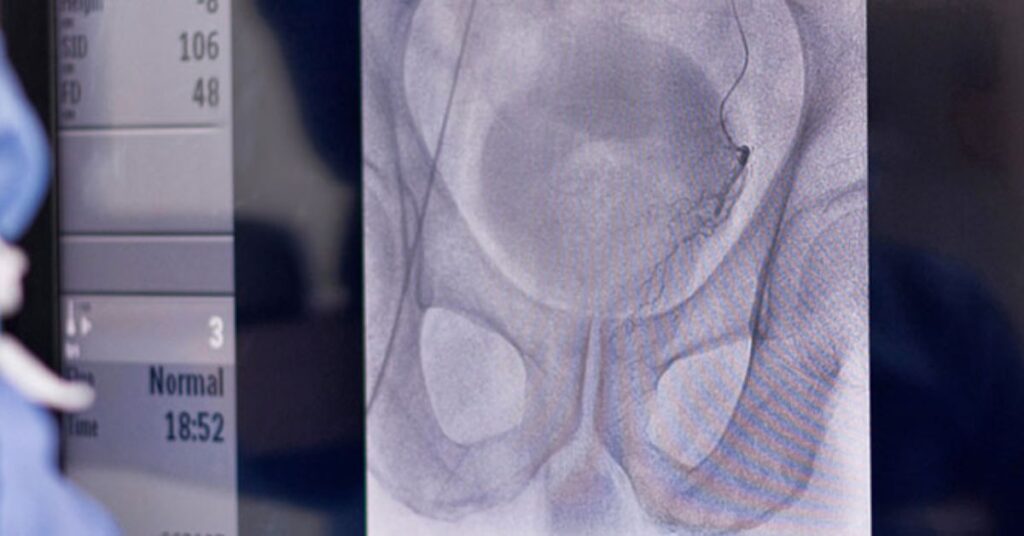

The gland plays a central role in male health, yet many men ignore it until problems arise. Understanding the normal size of the prostate helps detect early changes, prevent complications, and maintain long-term well-being. Since related conditions often develop silently, awareness becomes a powerful tool. Moreover, recognizing what qualifies as a healthy prostate size allows timely medical intervention and reduces the risk of severe urinary or reproductive issues.
Understanding the Gland and Its Function
This small, walnut-shaped organ sits just below the bladder and in front of the rectum. It surrounds the urethra, which carries urine out of the body. Because of this position, even slight enlargement can disrupt normal urination.
It produces seminal fluid that nourishes and transports sperm. Therefore, its health directly affects fertility and sexual function. As men age, natural changes occur. However, not all growth remains harmless, which makes understanding prostate size by age essential.
What is the Normal Size of Prostate?
A typical normal size of prostate in younger men measures approximately:
Length: 3 to 4 cm
Width: 4 to 5 cm
Weight: Around 20 grams
This measurement resembles a walnut. However, doctors do not rely only on dimensions. They assess volume using ultrasound, with normal volume ranging between 15 to 30 milliliters.
Even though this range defines a healthy prostate size, slight variations can occur without concern. Still, consistent monitoring helps detect abnormal growth early.
How Prostate Size By Age Changes Over Time
Age plays a major role in growth patterns. The gland typically remains stable until around 40 years of age. After that, gradual enlargement becomes common.
Typical prostate size by age trends:
- 20 to 30 years: Stable and within normal range
- 40 to 50 years: Mild increase begins
- 50 to 60 years: Noticeable enlargement in many men
- 60+ years: Higher likelihood of benign enlargement
Although this growth is often noncancerous, it can still affect urinary function. Therefore, tracking this parameter helps distinguish between natural changes and potential medical concerns.
Why Knowing the Normal Size of Prostate Matters
Understanding the normal size of prostate provides several practical benefits.
1. Early Detection of Problems
When men know what qualifies as a healthy prostate size, they can recognize unusual symptoms sooner. This awareness leads to faster diagnosis of conditions like benign prostatic hyperplasia or cancer.
2. Better Urinary Health
Enlargement can press against the urethra. As a result, it may cause weak urine flow, frequent urination, or difficulty emptying the bladder. Monitoring helps prevent these complications.
3. Improved Treatment Outcomes
Doctors choose treatments based on gland volume. Therefore, knowing the baseline supports more accurate decisions, especially when considering enlarged prostate treatment.
4. Reduced Anxiety
Many men worry unnecessarily due to a lack of information. Clear knowledge about the normal size of prostate reduces confusion and promotes confident health decisions.
Signs That Indicate Enlargement
Even though changes often develop gradually, certain symptoms signal a problem:
- Frequent urge to urinate, especially at night
- Weak or interrupted urine stream
- Difficulty starting urination
- Feeling of incomplete bladder emptying
- Urgency or leakage
If these symptoms appear, immediate medical evaluation becomes essential. Doctors may recommend imaging tests or a prostate health checkup in Pakistan to confirm the diagnosis and assess severity.
Causes of Enlargement
Several factors contribute to these changes:
Hormonal Changes
Testosterone and its derivative DHT influence growth. As hormone levels shift with age, enlargement often follows.
Aging
Natural aging remains the most common cause. Therefore, monitoring size by age becomes increasingly important.
Lifestyle Factors
Poor diet, obesity, and lack of physical activity can worsen overall health. Maintaining a balanced lifestyle supports a healthy size.
Genetics
Family history increases risk. Men with affected relatives should prioritize regular screenings.
Diagnostic Methods
Doctors use several reliable techniques to assess gland health:
Digital Rectal Examination
This quick exam allows doctors to detect abnormalities.
Ultrasound
Transrectal ultrasound provides accurate volume measurement and helps determine whether it falls within the normal size of prostate range.
PSA Blood Test
Although it does not measure volume directly, PSA levels help identify potential issues.
MRI or CT Scan
Advanced imaging offers detailed evaluation in complex cases.
Regular testing forms a critical part of a prostate health checkup in Pakistan, especially for men above 40.
Treatment Options for Enlargement
When growth exceeds a healthy prostate size, doctors recommend appropriate interventions. The choice depends on severity and symptoms.
Lifestyle Modifications
Reduce caffeine and alcohol intake
Maintain a healthy weight
Stay physically active
These changes can slow progression and support a stable normal size of prostate.
Medications
Doctors often prescribe drugs that relax muscles or shrink tissue. These medications form the first line of enlarged prostate treatment.
Minimally Invasive Procedures
Procedures such as laser therapy or transurethral resection remove excess tissue and improve urine flow.
Surgery
Severe cases may require surgical removal. Doctors usually recommend this option only when other treatments fail.
Each enlarged prostate treatment plan depends heavily on severity and symptom progression.
Prevention Strategies
Although aging cannot be controlled, several steps help maintain a healthy prostate size:
- Balanced Diet: Include vegetables, fruits, whole grains, and healthy fats.
- Regular Exercise: Physical activity improves hormone balance and reduces inflammation.
- Hydration: Adequate water intake supports urinary function.
- Routine Screening: Regular prostate health checkup in Pakistan ensures early detection.
- Stress Management: Chronic stress may influence hormonal balance. Relaxation techniques support overall health.
When to Seek Medical Attention
Consult a doctor immediately if you experience:
- Blood in urine or semen
- Severe urinary difficulty
- Pelvic pain
- Sudden inability to urinate
Timely evaluation helps determine whether the condition exceeds the normal size of prostate and whether urgent care is required.
FAQs
Q. What is considered a normal size of prostate?
A normal size of prostate typically measures 15 to 30 milliliters in volume and weighs about 20 grams in younger men.
Q. How does prostate size by age affect health?
As men age, gradual enlargement occurs. Monitoring prostate size by age helps distinguish between normal growth and disease.
Q. What defines a healthy prostate size?
A healthy size falls within the normal range and does not cause urinary symptoms.
Q. What are the best options for enlarged prostate treatment?
Options include lifestyle changes, medications, minimally invasive procedures, and surgery.
Q. How often should men get a prostate health checkup in Pakistan?
Men above 40 should consider annual screenings, especially with symptoms or family history.
Q. Can lifestyle changes reduce gland enlargement?
Lifestyle improvements may not reverse growth significantly, but they help prevent progression and ease symptoms.
Also Read: Polyvagal Theory Explained: The Hidden Science of Stress & Healing.