
Few skin irritations rival the frustration of a poison ivy rash. Beyond the itching, redness, and blisters lies a complex immune response triggered by urushiol, the oil found in poison ivy, oak, and sumac. Understanding the stages of this reaction is critical both for managing symptoms and preventing worsening outbreaks. This guide breaks down the progression of poison ivy rash with precision, clarity, and actionable insights.
How Poison Ivy Affects Your Skin
When urushiol touches your skin, it binds tightly to proteins in the outermost layer. Your immune system recognizes these modified proteins as foreign, initiating an inflammatory response. Unlike immediate irritants, urushiol triggers a delayed hypersensitivity reaction, meaning the visible rash can take hours to days to appear. The severity depends on prior exposure, the amount of urushiol, and your body’s immune sensitivity.
Stage 0: Immediate Contact (Invisible Phase)
Right after exposure, urushiol binds to skin cells, but no symptoms are visible yet. This stage is crucial because prompt washing can reduce or prevent a reaction. If you cleanse the affected area within 10–15 minutes, you can remove a significant amount of urushiol and lessen the severity of the rash.
Key Characteristics:
- No visible signs
- No itching initially
- Skin fully exposed to urushiol
Stage 1: Early Immune Response (6–48 Hours)
Once your immune system recognizes urushiol, the earliest signs appear:
- Mild redness
- Slight swelling
- Tingling or itching sensation
People previously exposed to poison ivy often develop symptoms faster, sometimes within 6–12 hours, while first-time reactions may take longer. This is when the body’s T-cells begin coordinating the inflammatory response.
Stage 2: Rash Emergence (1–3 Days)
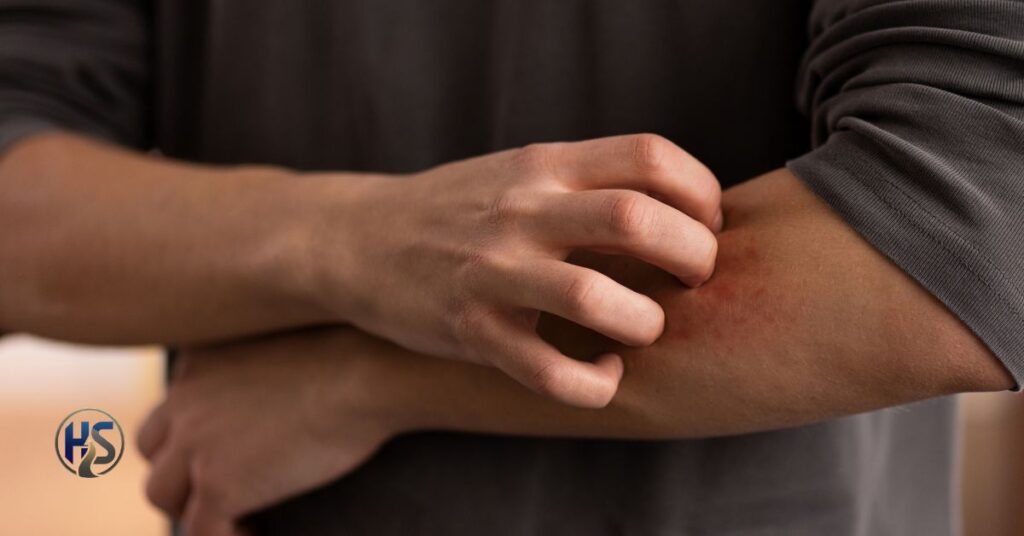
Red bumps and small patches start to appear along the lines of contact. Often, these rashes form linear streaks from brushing against leaves or stems.
Visible Signs:
- Bright or darker red patches
- Increasing itchiness
- Slight swelling in affected areas
At this stage, the rash is fully developing, and early treatment can help reduce discomfort and prevent spreading via secondary urushiol transfer.
Stage 3: Blister Formation (2–5 Days)
Blisters form as fluid accumulates under the skin due to intense inflammation. They vary in size and may cluster along contact patterns.
Important Notes:
- Blister fluid does not contain urushiol and is not contagious.
- Blisters may rupture, leaving raw skin that is vulnerable to infection.
- Itching and irritation peak during this stage.
Stage 4: Peak Inflammation (3–10 Days)
Inflammation reaches its maximum intensity. Itching can become relentless, and blisters may increase in number and size. This is the most uncomfortable phase, where interventions like cool compresses, oatmeal baths, or anti-itch lotions provide significant relief.
Stage 5: Crusting and Healing Begins (7–14 Days)
Blisters begin to dry and form crusts. Redness gradually fades, and skin starts to repair itself. The rash is still visible but is transitioning into the recovery phase. Maintaining skin hygiene and avoiding scratching are crucial to prevent infection and scarring.
Stage 6: Resolution (10–21+ Days)
Healing completes as crusts fall off and new skin replaces damaged tissue. Itching diminishes, redness subsides, and the skin generally returns to normal. Severe reactions or extensive exposure may take longer to fully resolve.
Factors That Influence Rash Progression
- Previous Exposure: Sensitized individuals react faster and more intensely.
- Amount of Urushiol Contacted: Greater exposure leads to more severe rashes.
- Secondary Contamination: Clothing, pets, and tools can reintroduce urushiol to clean skin, creating new lesions.
- Treatment Measures: Prompt cleansing and appropriate topical therapies reduce duration and intensity.
Practical Tips for Managing Each Stage
- Stage 0–1: Wash immediately with soap and water to remove urushiol.
- Stage 2–3: Apply soothing lotions and cool compresses to relieve itch. Avoid scratching to prevent infection.
- Stage 4–5: Consider over-the-counter anti-inflammatory creams or oral antihistamines.
- Stage 6: Keep skin moisturized; monitor for lingering redness or infection.
Summary Timeline of Poison Ivy Rash
| Stage | Typical Timeframe | Key Characteristics |
| Immediate Contact | 0–6 hours | Invisible binding of urushiol |
| Early Immune Response | 6–48 hours | Mild redness, tingling, slight itch |
| Rash Emergence | 1–3 days | Red patches, linear streaks, increasing itch |
| Blister Formation | 2–5 days | Fluid-filled blisters, peak irritation |
| Peak Inflammation | 3–10 days | Maximum redness and discomfort |
| Crusting | 7–14 days | Blisters dry, crust, healing begins |
| Resolution | 10–21+ days | Redness fades, skin repairs fully |
Conclusion
Understanding the stages of poison ivy rash transforms a frustrating skin reaction into a manageable process. By knowing what to expect, taking early action, and caring for your skin throughout the healing stages, you can minimize discomfort, prevent complications, and support faster recovery. Awareness and prompt care are your best defenses against the relentless itch of poison ivy.
FAQs – Poison Ivy Rash Stages
Q. How quickly does poison ivy rash appear?
The rash usually appears 6–48 hours after exposure for people previously sensitized, but first-time exposure may take 1–3 weeks. Timing depends on immune sensitivity and the amount of urushiol contacted.
Q. Can poison ivy rash spread from blisters?
No. The fluid inside blisters does not contain urushiol. Spread occurs only if urushiol remains on skin, clothing, or objects.
Q. How long does a poison ivy rash last?
Most cases resolve within 10–21 days, depending on severity, exposure level, and treatment. Severe cases may last slightly longer.
Q. What are the stages of poison ivy rash?
The rash progresses in six stages: Invisible Contact → Early Immune Response → Rash Emergence → Blister Formation → Peak Inflammation → Crusting → Resolution.
Q. How can I reduce the severity of a poison ivy rash?
Immediate washing with soap and water after exposure, avoiding scratching, and using soothing topical treatments like calamine lotion or antihistamines can significantly reduce intensity.