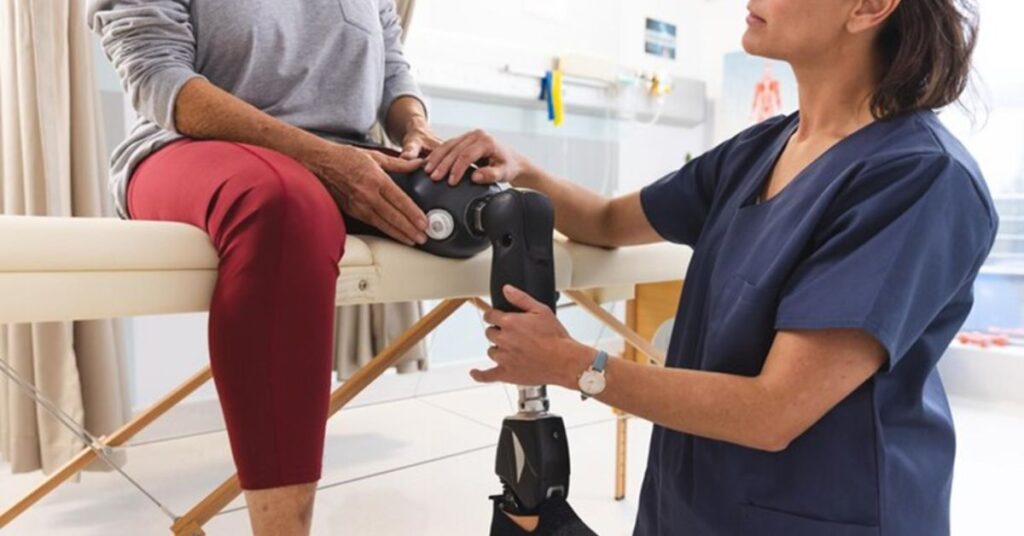

Choosing a Florida prosthetics clinic is one of the most significant decisions a person with limb loss will make. Unlike many medical specialties where a single procedure completes the care, your relationship with your prosthetist is a lifelong partnership. In a state as geographically diverse as Florida—with major clinical hubs from Jacksonville to Miami—the options can be overwhelming. Finding the right fit requires evaluating a clinic’s technical capabilities, their approach to customization, and their ability to navigate the complex Florida insurance landscape.
1. Board Certification and Specialist Expertise
The first and most non-negotiable factor is the certification of the clinical staff. In Florida, you should look for practitioners who are certified by the American Board for Certification in Orthotics, Prosthetics & Pedorthics (ABC) and licensed by the Florida Board of Orthotists and Prosthetists.
ABC certification signifies that the prosthetist has met rigorous educational and clinical training requirements. Beyond basic certification, ask about their experience with your specific type of amputation. For example, upper-limb prosthetics (arms and hands) are statistically rarer than lower-limb cases; if you require a myoelectric arm, you should seek a clinic with a dedicated upper-limb specialist rather than a generalist.
2. In-House Fabrication and Digital Lab Capabilities
A major differentiator among Florida clinics is whether they fabricate their devices on-site. Some clinics take a mold and ship it to a central fabrication facility (often out of state), which can lead to delays and a “disconnect” between the prosthetist’s vision and the final product.
Leading Florida providers—such as South Beach Prosthetics in Miami or Manifest Prosthetics in Tampa—often feature in-house laboratories. This provides several benefits:
- Faster Turnaround: Adjustments and “same-day repairs” are possible when the technicians and machinery are in the same building as the patient.
- Advanced Technology: Look for clinics using FastSCAN laser technology or 3D printing. These digital tools allow for a more precise socket fit by creating a 3D digital model of the residual limb, reducing the “trial and error” of traditional plaster casting.
- Direct Oversight: When your prosthetist can walk into the lab and supervise the creation of your socket, the likelihood of a perfect fit increases exponentially.
3. A Holistic Approach to Rehabilitation
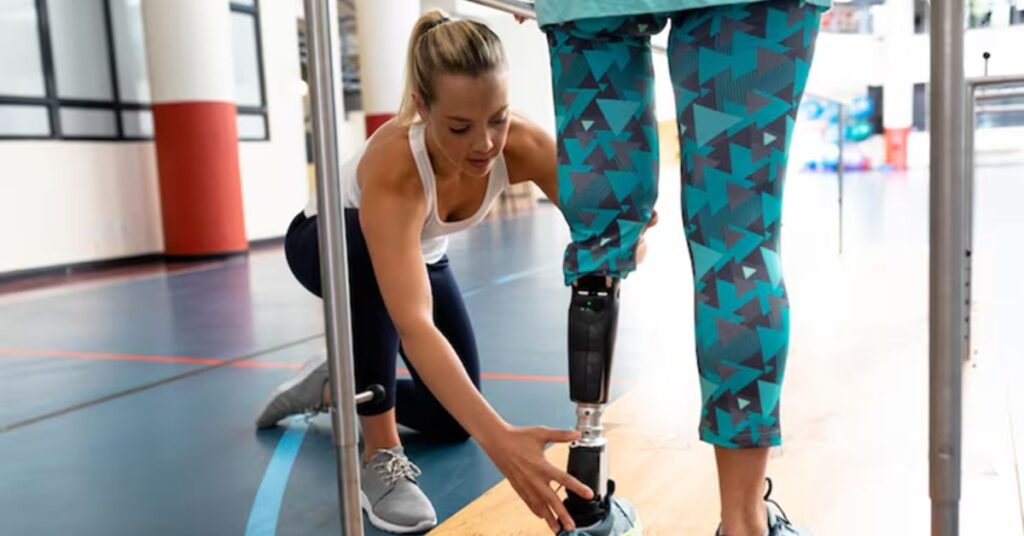
A custom prosthetic in Florida is only as effective as the training that follows its delivery. The best Florida clinics do not just “sell a device”; they provide a full circle of care.
Gait and Motion Analysis
Top-tier facilities often have dedicated gait rooms equipped with parallel bars, ramps, and varied walking surfaces (sand, gravel, or turf) to mimic the Florida environment. Clinics like the Hanger Clinic (with numerous locations across Orlando and Fort Lauderdale) often integrate gait analysis to fine-tune the alignment of the prosthetic foot or knee.
Peer Support and Emotional Care
The psychological aspect of limb loss is profound. Reliable Florida clinics often host or have direct connections to local Amputee Support Groups. They may also offer “Peer Visitor” programs, connecting new amputees with experienced users who have similar activity goals. This community connection is often the missing piece in a successful recovery.
4. Navigating Florida Insurance and Paperwork
In Florida, prosthetics are considered “Durable Medical Equipment” (DME), and the administrative hurdles can be daunting. A high-quality clinic will have a dedicated administrative team to handle the heavy lifting.
- Prior Authorization: They should handle the entire process of securing prior approvals from your insurance provider (e.g., Florida Blue, Medicare, or workers’ compensation).
- Financial Transparency: You should receive a clear explanation of your out-of-pocket “gap” responsibility before any fabrication begins.
- Documentation: Your prosthetist must work closely with your prescribing physician to ensure the medical documentation justifies the level of technology you need—especially for high-end microprocessor knees like the C-Leg or Genium.
5. Accessibility and Trial Components
Florida’s humidity and heat can affect how a socket fits throughout the day due to limb volume changes. Therefore, convenience is a medical necessity.
- Proximity: Choose a clinic within a reasonable driving distance, as you will likely need multiple “fittings” and “re-alignments” in the first year.
- Trial Components: Ask if the clinic offers “demo” components. Many manufacturers allow clinics to let patients “test drive” different feet or knees for a week. This is the only way to truly know if a specific carbon-fiber foot or bionic knee matches your gait and lifestyle before committing to the final purchase.
Common Questions to Ask Your Florida Prosthetist
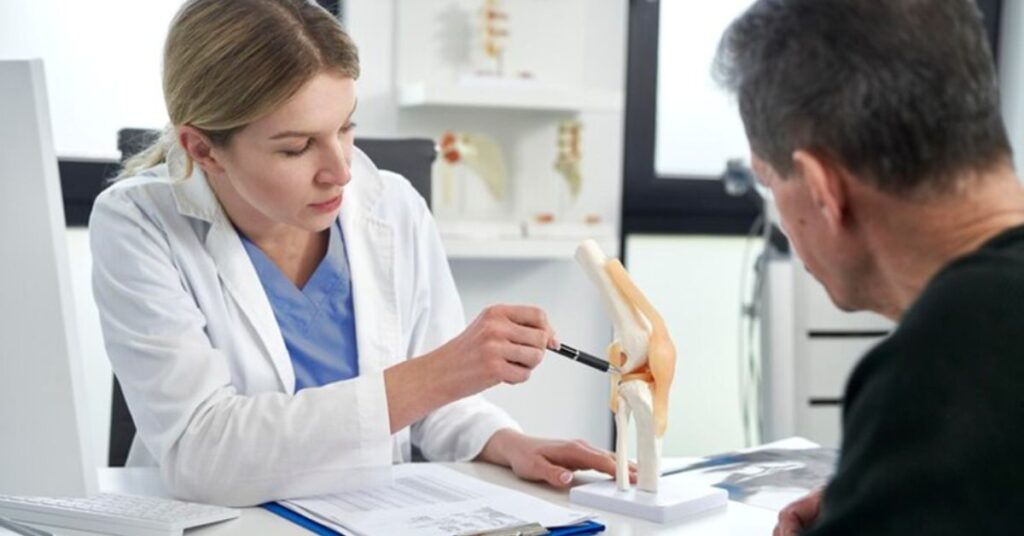
During your initial consultation, consider asking these specific questions to gauge the clinic’s reliability:
- “Do you have an on-site fabrication lab, or do you ship your work out?”
- “What digital scanning technologies do you use for socket design?”
- “Can you connect me with a peer mentor who has a similar level of amputation?”
- “If I have a sudden issue with my socket, what is your typical wait time for a repair appointment?”
- “Are your clinicians ABC-certified and licensed specifically in the State of Florida?”
By focusing on these five pillars—certification, technology, rehabilitation, administration, and accessibility—you can find a Florida prosthetics clinic that doesn’t just provide a limb, but restores your independence.
Also Read: Bntamnh E Hidden Benefits – Vitamin E Supplement Explained.