

That mindset? Pretty common among parents. And also pretty wrong.
Most of us grew up thinking dental visits were about fixing problems. You had a cavity? Off to the dentist. Toothache keeping you up at night? Time to make that call. But here’s what many parents don’t realize until much later: the real value of dental care shows up long before any problems appear. And the earlier you start, the better off your kids will be.
The “Baby Teeth Don’t Matter” Myth
Let’s address the elephant in the room. Baby teeth fall out eventually, right? So why bother taking care of them?
This thinking has been passed down through generations, and it makes a certain kind of sense on the surface. But baby teeth do a lot more than just fill space until the permanent ones show up.
Here’s what those tiny teeth actually do:
- Help your child learn to chew properly
- Guide the development of their jaw
- Create pathways for adult teeth to follow
- Hold space so permanent teeth can come in correctly
When baby teeth fall out too early because of decay or infection, the teeth around them shift. This can crowd the space where permanent teeth need to come in, creating alignment issues that might require orthodontic work later.
Beyond the structural stuff, there’s also the matter of pain and infection. A decayed baby tooth hurts just as much as a decayed adult tooth. Kids with untreated dental problems often struggle to eat, sleep, and concentrate at school.
Research has even linked poor early dental health to speech development delays and lower academic performance. These aren’t minor inconveniences. They’re real obstacles that can affect your child’s quality of life.
What Decay Actually Looks Like in Little Mouths
Many parents don’t recognize early signs of tooth decay in young children. It doesn’t always look like the dark spots you might expect. Sometimes it starts as white patches near the gum line or slight discoloration that’s easy to miss.
By the time a cavity becomes obvious, the damage has already progressed. Early detection during regular checkups catches these issues when they’re still small and easy to address.
The Magic of the First Visit
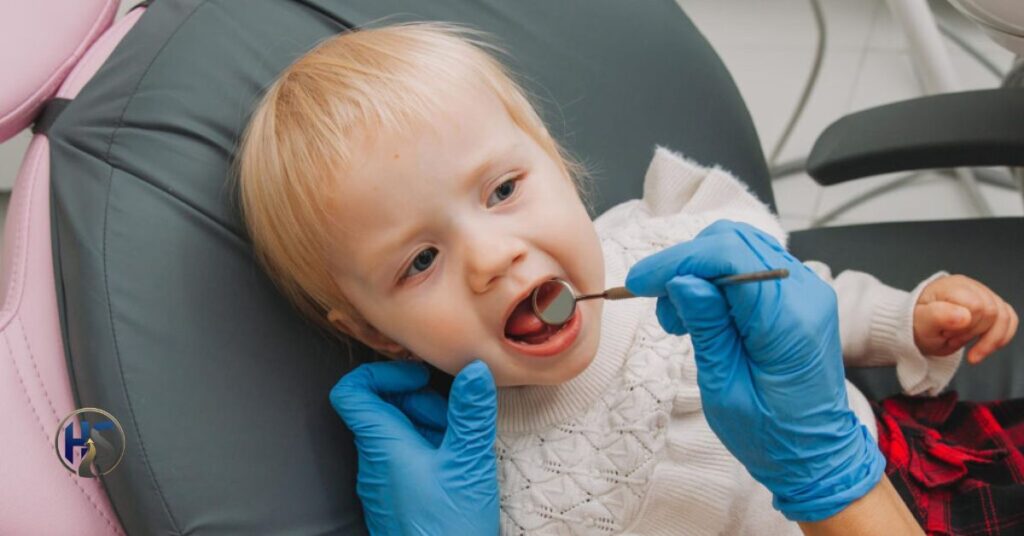
Dental organizations generally recommend that a child’s first dental visit happen by their first birthday or within six months of their first tooth appearing. That sounds early, but there’s good reasoning behind it.
These first appointments aren’t really about treatment. They’re about getting your child comfortable with the dental environment. The bright lights, the strange sounds, the unfamiliar person looking into their mouth. All of this can be overwhelming for little ones. Starting early means they grow up viewing dental visits as a normal, non-threatening part of life.
A pediatric-focused practice like Clean Smiles Dental Clinic in Edmonton creates a welcoming atmosphere specifically designed for young patients. When children feel safe and comfortable during their early visits, they’re far more likely to maintain good dental habits throughout their lives. For specialized care tailored to young patients, exploring dentistry for kids options can make all the difference in building positive associations with oral health care.
Prevention Beats Treatment Every Single Time
Here’s a number that might surprise you: preventive dental care costs roughly one-tenth of what restorative treatment does. Getting regular checkups and cleanings for your child isn’t just about their health. It also saves you significant money in the long run.
During preventive visits, dental professionals can:
- Spot early signs of decay before they become painful problems
- Apply fluoride treatments to strengthen developing enamel
- Place dental sealants on molars to protect against cavities
- Identify bite or alignment issues while the jaw is still developing
- Teach proper brushing and flossing techniques appropriate for your child’s age
The Sealant Advantage
Dental sealants deserve special mention because they’re incredibly effective yet often overlooked. These thin protective coatings applied to the chewing surfaces of back teeth can reduce cavity risk by up to 80% in molars. The procedure is quick, painless, and can protect teeth for years.
Most cavities in children happen in the back teeth because of all those grooves and pits where food particles love to hide. Sealants create a smooth surface that’s much easier to keep clean.
Building Habits That Last a Lifetime
Think about your own relationship with dental care. If you had negative experiences as a child (painful procedures, scary equipment, unsympathetic practitioners), there’s a good chance you still feel some anxiety about dental visits today.
The habits and associations formed in early childhood stick around. Kids who have positive dental experiences and learn proper oral hygiene from a young are more likely to maintain those practices into adulthood. They’re also more likely to seek regular preventive care rather than waiting until something goes wrong.
This isn’t just about teaching kids to brush twice daily. It’s about helping them understand why oral health matters and giving them the tools to take ownership of it as they grow.
Making Dental Care Fun at Home
Between professional visits, you can reinforce good habits with simple strategies:
- Let your child pick out their own toothbrush in a favorite color or with a fun character
- Play a two-minute song while brushing so they know how long to keep at it
- Brush your teeth together since kids learn by watching their parents
- Use apps or reward charts to track brushing consistency
- Read children’s books about going to the dentist to normalize the experience
What Happens When Parents Wait Too Long
Dental professionals often share stories about children coming in for their first visit at ages five or six with extensive decay. By that point, treatment becomes more complex, more expensive, and often more traumatic for the child.
The consequences can be serious:
- Some kids need multiple extractions
- Some require sedation for extensive procedures
- Many develop lasting anxiety about dental care that follows them into adulthood
It’s Not About Blame
None of this is the parents’ fault in a judgmental sense. Most people simply don’t know how important early dental care is. Healthcare providers don’t always share information clearly, and outdated ideas about baby teeth persist.
But knowing better means we can do better.
Signs You Shouldn’t Ignore
While regular checkups are your best defense, certain symptoms warrant a call to the dentist right away:
- White spots or brown staining on teeth
- Complaints about tooth pain or sensitivity
- Red, swollen, or bleeding gums
- Difficulty chewing or sudden reluctance to eat certain foods
- Bad breath that doesn’t improve with brushing
- Visible chips or cracks in teeth
Young children can’t always articulate what’s bothering them. Changes in eating habits or increased fussiness might be the only signals you get.
Choosing the Right Dental Home
Finding a dental practice that genuinely welcomes children makes an enormous difference. Look for places that:
- Have experience working with young patients and nervous first-timers
- Create a child-friendly environment with appropriate amenities
- Take time to explain procedures in age-appropriate language
- Allow parents to stay close during appointments if needed
- Focus on prevention rather than just treatment
The goal is to establish what dentists call a “dental home,” a consistent place where your child’s oral health history is known and their care is continuous. This relationship allows practitioners to track development over time and catch potential issues early.
Start Sooner Than You Think
Your child’s dental health doesn’t start when their permanent teeth come in or when problems appear. It starts with the first tooth, ideally around their first birthday.
Early dental visits aren’t about finding problems to fix. They’re about building a foundation of good oral health that will serve your child for decades. The investment of time and relatively small expense now pays off enormously in healthier teeth, fewer procedures, less anxiety, and better overall well-being.
If you’ve been putting off your little one’s first dental visit, consider this your nudge to make that appointment. Their future self will thank you for it.
Also Read: Hormita: The Hidden Science of Immune Strength & Resilience.