
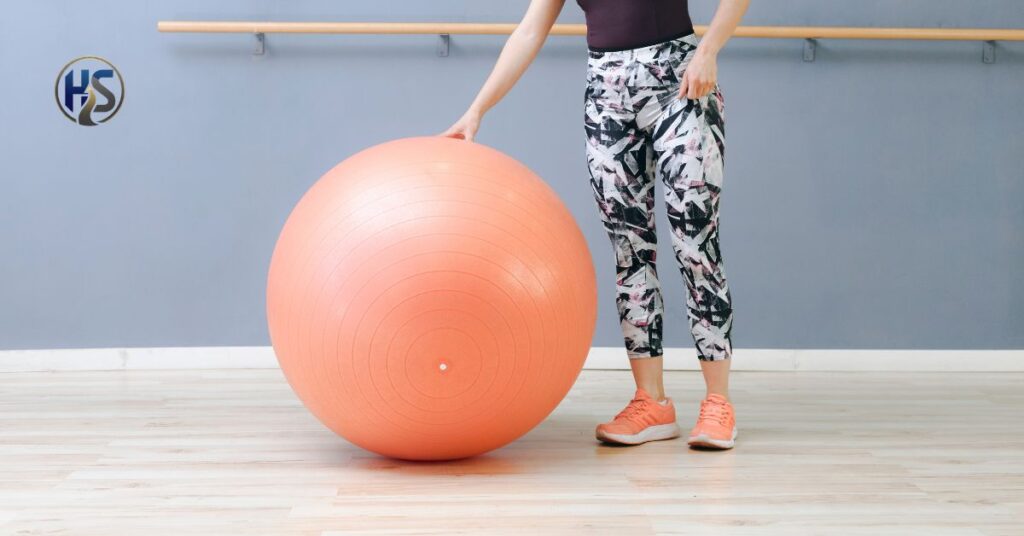

Coreball is not a fitness trend. It is a performance-driven, rehabilitation-supported, and biomechanics-aligned training tool designed to improve core stability, neuromuscular control, posture, and functional strength. Often compared to a Swiss ball or stability ball, Coreball training leverages instability to activate deep trunk musculature, enhance proprioception, and improve total-body integration. When used correctly, it strengthens the foundation of human movement, the lumbopelvic-hip complex, making it valuable for athletes, rehabilitation patients, and everyday individuals seeking resilient physical health.
What Is Coreball? Understanding Its Biomechanics and Training Value
Coreball refers to a durable, anti-burst stability ball engineered to create controlled instability during exercise. Unlike fixed-surface training, Coreball forces constant micro-adjustments from the transverse abdominis, multifidus, obliques, pelvic floor, and deep spinal stabilizers. This neuromuscular demand improves trunk stiffness and motor control, two essential components of injury prevention and athletic performance.
The ball’s instability shifts training from isolated muscle engagement to integrated movement patterns. It transforms traditional exercises like planks, bridges, and squats into dynamic stabilization challenges that enhance functional strength rather than cosmetic muscle tone.
The Physiology of Core Stability: Why Coreball Training Works
Core stability is not about six-pack aesthetics. It is about spinal integrity, intra-abdominal pressure regulation, and force transmission between upper and lower body segments. The core acts as a kinetic link stabilizing before limbs move.
Training on a Coreball increases electromyographic (EMG) activity in deep stabilizers compared to stable-surface training. This heightened activation improves anticipatory stabilization, meaning your body learns to brace before movement. The result: improved balance, reduced spinal shear stress, and more efficient power transfer in activities like lifting, sprinting, and rotational sports.
Coreball works because it trains stability reflexes, not just muscle strength.
Coreball and Spinal Health: Reducing Back Pain Through Controlled Instability
Chronic low back pain is often linked to weak deep stabilizers and poor motor coordination rather than pure strength deficits. Coreball training addresses both.
By challenging balance in a controlled way, the ball stimulates the multifidus and transverse abdominis—muscles commonly inhibited in individuals with back pain. When programmed progressively, Coreball exercises can:
- Improve lumbar endurance
- Enhance spinal alignment
- Reduce compensatory movement patterns
- Support long-term posture correction
It is not a cure-all. But when integrated with evidence-based rehabilitation protocols, it becomes a powerful adjunct for spinal resilience.
Balance, Proprioception, and Neuromuscular Control
Coreball training sharpens proprioception, your body’s awareness of joint position and movement. Instability demands continuous sensory feedback between muscles and the central nervous system.
This is particularly valuable for:
- Aging adults seeking fall prevention
- Athletes requiring rapid directional control
- Individuals recovering from injury
Improved neuromuscular control translates to better coordination, faster reflexive stabilization, and reduced injury risk. Coreball does not just build strength; it builds control.
Functional Strength and Athletic Performance Enhancement
Athletic power depends on efficient force transfer through the trunk. A weak or unstable core leaks force. Coreball training enhances trunk stiffness and dynamic stabilization, allowing athletes to produce and transmit force more effectively.
Rotational athletes such as golfers, tennis players, and combat sport practitioners benefit from Coreball drills that challenge anti-rotation and multi-planar control. By strengthening the kinetic chain rather than isolated muscles, performance gains become transferable to real sport movement.
Coreball bridges the gap between rehabilitation and elite performance.
Metabolic and Musculoskeletal Health Benefits
Although primarily known for stability work, Coreball training can elevate metabolic demand when integrated into circuits. Compound movements performed on an unstable surface increase muscular co-contraction, engaging multiple muscle groups simultaneously.
Long-term musculoskeletal benefits include:
- Improved joint alignment
- Enhanced hip and shoulder stability
- Increased muscular endurance
- Reduced sedentary-related postural dysfunction
For desk-bound individuals, Coreball exercises restore mobility and reactivate inhibited gluteal and deep abdominal muscles, combating the structural effects of prolonged sitting.
Pelvic Floor and Coreball: An Overlooked Health Advantage
The pelvic floor is a critical yet often neglected component of the core system. Because Coreball exercises require coordinated stabilization, they naturally encourage pelvic floor engagement when proper breathing mechanics are used.
When paired with diaphragmatic breathing, Coreball training helps regulate intra-abdominal pressure, supporting continence, postpartum recovery, and overall lumbopelvic stability.
This integrated approach strengthens the deep core cylinder: diaphragm, transverse abdominis, multifidus, and pelvic floor working as a unit.
How to Use Coreball Safely and Effectively
Precision matters. Coreball training should follow a progressive model:
Beginner Phase
- Seated balance holds
- Pelvic tilts
- Supported bridges
Intermediate Phase
- Stability ball planks
- Hamstring curls
- Wall squats
Advanced Phase
- Roll-outs
- Pike variations
- Anti-rotation presses
Quality overrides complexity. Poor control defeats the purpose. Individuals with acute spinal injuries or severe balance impairments should consult a qualified professional before beginning.
Who Should Use Coreball—And Who Should Be Cautious?
Ideal Candidates:
- Office workers with postural imbalances
- Athletes seeking trunk stiffness and control
- Adults improving balance
- Individuals in supervised rehabilitation
Use Caution If:
- Experiencing acute disc injury
- Uncontrolled vestibular disorders
- Severe osteoporosis
- Post-surgical instability
Coreball is safe when programmed appropriately. It becomes risky only when ego overrides mechanics.
Conclusion
Coreball is not a gimmick. It is a scientifically grounded training modality that enhances core stability, neuromuscular coordination, spinal health, and functional strength. Its power lies in controlled instability—forcing the body to adapt, stabilize, and integrate movement patterns more effectively.
For those seeking resilient performance, reduced injury risk, and a stronger foundation for daily life, Coreball training delivers measurable results when executed with discipline and progression.
It builds strength where it matters most—at the center.
FAQs
Q. Is Coreball better than traditional core exercises?
It is not superior in all cases, but it increases stabilization demand and deep muscle activation compared to stable-surface training.
Q. Can Coreball help with lower back pain?
Yes, when integrated into a structured program targeting deep stabilizers and guided properly.
Q. Is Coreball suitable for beginners?
Absolutely. It can be scaled to very basic balance and activation drills.
Q. How often should Coreball be used?
Two to three sessions per week are sufficient for most individuals.
Q. Does Coreball burn fat?
Indirectly. It enhances muscular engagement and can contribute to calorie expenditure when included in high-intensity circuits.