
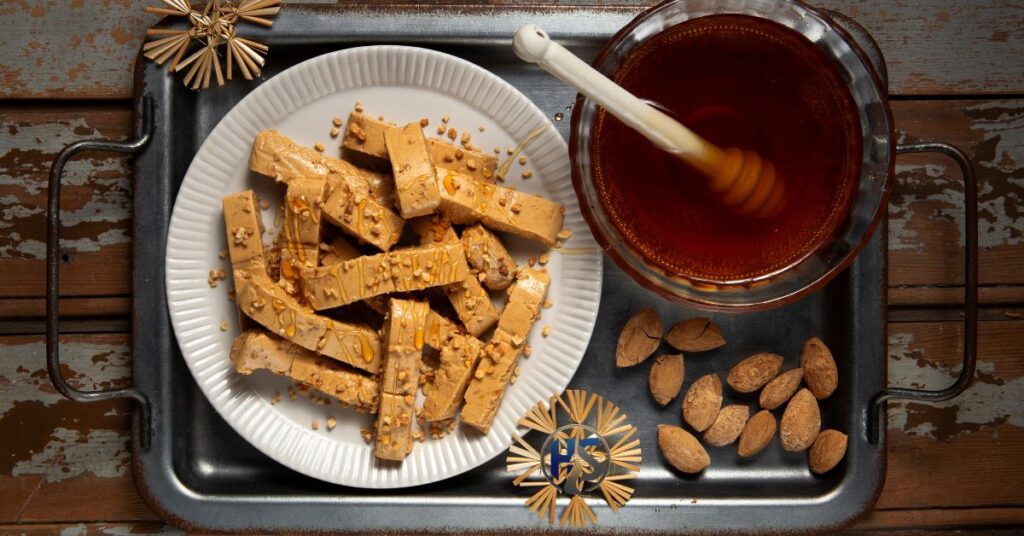

Few treats in the culinary world are as timeless and iconic as Бишкоти ди Прато, also known internationally as Biscotti di Prato or cantucci. Hailing from the historic city of Prato in Tuscany, Italy, these twice-baked almond biscuits are celebrated not just for their crisp texture and nutty flavor, but also for their connection to tradition, culture, and even wellness. We believe that food is more than just taste—it’s a source of strength, nourishing the body, mind, and soul. In this article, we explore everything about Бишкоти ди Прато: its origin, flavors, health benefits, traditions, and modern culinary uses, showing how these simple biscuits embody both heritage and wellness.
Origins and History of Бишкоти ди Прато
The origins of Бишкоти ди Прато (Biscotti di Prato) date back to medieval Tuscany, where bakers developed a technique to preserve baked goods for longer periods. The Latin term bis coctus literally means “twice cooked,” describing the method that gives these biscuits their signature crunch and durability.
The modern classic was perfected in the 19th century by Antonio Mattei, a pastry chef from Prato, whose bakery gained fame for producing these almond biscuits using high-quality local almonds, eggs, flour, and sugar. Today, Mattei’s bakery remains a cultural landmark, symbolizing Tuscan culinary excellence.
Ingredients and Traditional Preparation
Traditional Бишкоти ди Прато use a short list of simple, natural ingredients:
- Flour—provides structure
- Sugar—for subtle sweetness
- Eggs—binds the dough and adds richness
- Whole almonds—unpeeled, giving a nutty crunch
Unlike many modern cookies, the classic recipe contains no butter, oil, or artificial additives, making it a healthier treat when enjoyed in moderation.
Twice-Baked Technique
- First Bake: The dough is shaped into logs and baked until firm.
- Slicing: The logs are cooled slightly and sliced diagonally.
- Second Bake: The slices are baked again to create the signature crunchy texture.
This method ensures longevity and enhances flavor and digestibility.
Flavors and Culinary Uses
Flavor Profile
Biscotti di Prato are subtly sweet, nutty, and aromatic, with a crisp texture that melts slightly when dunked into beverages. The almond flavor is the centerpiece, providing both richness and a satisfying bite.
Traditional Pairings
- Vin Santo: The classic Italian dessert wine softens the biscuit and enhances its aroma.
- Espresso or Coffee: Perfect for breakfast or a midday snack.
- Tea or Hot Chocolate: A versatile companion for both adults and children.
Modern Uses
- Crumbled over ice cream or yogurt for texture
- As a base for tiramisu-style desserts
- Paired with citrus zest or chocolate for flavor twists
Health Benefits of Бишкоти ди Прато
While they are a treat, these almond biscuits also provide nutritional value, especially when prepared traditionally:
- Rich in Healthy Fats—Almonds contain monounsaturated fats, which support heart health and cognitive function.
- High in Protein—Eggs and almonds provide essential amino acids for muscle and tissue repair.
- Contains Antioxidants—Almonds are naturally rich in vitamin E and polyphenols, which combat oxidative stress.
- Digestive Support—The baking process reduces anti-nutrients in almonds, making them easier to digest.
- Sustained Energy—A small portion of these biscuits provides long-lasting energy, making them a wholesome snack with coffee or tea.
Moderation is key, as the sugar content is still present, but when enjoyed responsibly, Бишкоти ди Прато can be part of a balanced and enjoyable diet.
Traditions and Cultural Significance
Бишкоти ди Прато are deeply embedded in Tuscan culture:
- Hospitality: Serving them with Vin Santo after meals is a gesture of warmth and tradition.
- Family Gatherings: They are a staple during festive occasions, holidays, and celebrations.
- Heritage: Antonio Mattei’s bakery continues to preserve centuries-old baking techniques, making these biscuits a symbol of Tuscan craftsmanship.
This tradition has allowed Бишкоти ди Прато to transcend borders, becoming a beloved symbol of Italian culinary heritage worldwide.
Tips for Enjoying Бишкоти ди Прато
- Dunking: Softens the biscuit and enhances flavors, traditionally with Vin Santo, or with coffee/tea.
- Storage: Keep in airtight containers at room temperature for up to several weeks.
- Serving: Pair with nuts, fresh fruit, or even light chocolate for modern twists.
- Moderation: Although nutritious, portion control ensures they remain a healthy indulgence.
Modern Variations
- Chocolate-dipped biscuits for dessert lovers
- Citrus zest additions (lemon or orange) for aromatic flavor
- Gluten-free or vegan adaptations for dietary preferences
- Use in creative recipes: crumbled over ice cream, in granola, or incorporated into baked desserts
Even with modern tweaks, the essence of twice-baked almonds and simplicity remains at the heart of the biscuit.
Conclusion
Бишкоти ди Прато is more than a crunchy almond cookie—it’s a hidden gem of Tuscan culinary tradition. With a perfect balance of flavor, texture, and nutritional benefits, it represents the hidden strength in food, connecting taste, heritage, and health.
At HiddenStrength, we celebrate how traditional foods like Бишкоти ди Прато nourish both body and soul, proving that indulgence and wellness can coexist when prepared and enjoyed mindfully. Incorporating these biscuits into your diet, whether with coffee, dessert wine, or creative recipes, allows you to savor the timeless flavors and healthful benefits of Tuscany’s culinary heritage.