
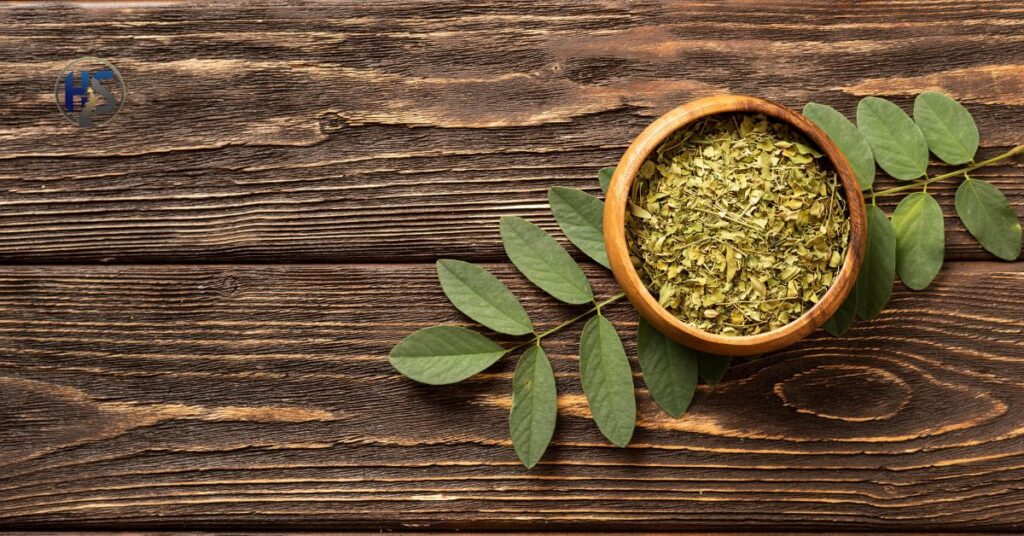

Foenegriek, internationally known as fenugreek, is one of the most researched and traditionally respected medicinal plants in the world. Used for centuries across Asia, the Middle East, and the Mediterranean, this herb has earned a strong reputation in both modern nutrition science and traditional healing systems. Today, it stands at the intersection of herbal medicine, functional nutrition, and evidence-based wellness, making it highly relevant in contemporary health discussions.
Botanical Identity and Natural Composition
Foenegriek comes from the plant Trigonella foenum-graecum, a member of the legume family. The plant produces small golden-brown seeds with a distinctive aroma and bittersweet taste. These seeds are biologically dense, containing soluble fiber, plant proteins, essential minerals, and bioactive compounds such as saponins, alkaloids, and flavonoids. This unique biochemical profile explains why foenegriek has such wide physiological effects on the human body.
Historical Use Across Traditional Medicine Systems
For thousands of years, foenegriek has been documented in Ayurvedic texts, ancient Egyptian medical scrolls, and Greek pharmacology. It was traditionally prescribed to support digestion, restore physical strength, and promote recovery after illness. In women’s health, it has long been valued for postpartum recovery and hormonal balance. The continuity of its use across civilizations adds strong historical credibility to its modern applications.
Nutritional Value and Bioactive Strength
From a nutritional standpoint, foenegriek is exceptionally rich in dietary fiber, particularly galactomannan, which plays a key role in metabolic regulation. It also provides iron, magnesium, potassium, and B-complex vitamins. The presence of antioxidant compounds helps combat oxidative stress, while amino acids like 4-hydroxyisoleucine contribute to glucose metabolism. This combination makes foenegriek nutritionally functional rather than merely supplemental.
Blood Sugar and Metabolic Health Support
One of the most studied benefits of foenegriek is its role in supporting healthy blood glucose levels. Research suggests its soluble fiber slows carbohydrate absorption, while specific amino acids improve insulin sensitivity. For this reason, it is often recommended as part of a balanced dietary approach for metabolic wellness. These properties make foenegriek especially relevant in modern lifestyles where blood sugar imbalance is increasingly common.
Digestive Health and Gut Function
Foenegriek has a long-standing reputation as a digestive aid. Traditionally, it has been used to relieve bloating, support bowel regularity, and soothe the gastrointestinal tract. Its fiber content promotes beneficial gut bacteria, while its natural compounds stimulate digestive enzymes. This dual action supports both digestion and nutrient absorption, reinforcing its role as a foundational digestive herb.
Hormonal Balance and Vitality
Another important area where foenegriek stands out is hormonal health. In women, it has been traditionally associated with menstrual comfort and lactation support. In men, it is frequently studied for its potential role in supporting testosterone levels and physical vitality. These effects are linked to its saponin content and its influence on endocrine signaling, making foenegriek a popular ingredient in natural vitality formulations.
Heart Health and Cholesterol Regulation
Foenegriek may also contribute to cardiovascular wellness. Studies indicate that its fiber and antioxidant compounds can help maintain healthy cholesterol levels by reducing LDL absorption in the gut. Additionally, its anti-inflammatory properties support vascular health. When combined with a heart-healthy lifestyle, foenegriek serves as a supportive nutritional ally for long-term cardiovascular balance.
Culinary and Therapeutic Applications
Beyond supplementation, foenegriek plays a major role in global cuisines. Its seeds and leaves are used in Indian, Middle Eastern, and Mediterranean cooking to enhance flavor and digestion. Therapeutically, it is consumed as tea, powder, soaked seeds, or standardized extracts. This versatility allows foenegriek to fit seamlessly into both daily diets and targeted wellness routines.
Safety, Dosage, and Responsible Use
Foenegriek is generally considered safe when consumed in dietary or recommended supplemental amounts. However, excessive intake may cause mild digestive discomfort, and individuals managing blood sugar levels should monitor their response carefully. As with all herbal ingredients, responsible use and professional guidance ensure maximum benefit with minimal risk.
Why Foenegriek Remains Relevant Today
In an era dominated by synthetic solutions, fenugreek continues to stand out as a scientifically supported, traditionally trusted, and nutritionally rich herb. Its wide range of benefits, combined with centuries of documented use and growing modern research, positions it as a credible and effective natural ingredient. This balance of tradition, science, and safety explains why fenugreek remains a cornerstone of holistic health worldwide.
Final Thought
What truly sets this herb apart is its rare ability to bridge ancient wisdom and modern nutritional science without losing credibility in either domain. Few natural ingredients have maintained continuous relevance across thousands of years while also earning validation through contemporary research. Its impact is not limited to a single system of the body; instead, it works holistically by supporting metabolic balance, digestive efficiency, hormonal regulation, and cardiovascular resilience at the same time.
In today’s wellness landscape, where consumers are increasingly skeptical of exaggerated claims, longstanding traditional use combined with measurable nutritional value creates trust. This is why healthcare practitioners, nutritionists, and evidence-based supplement formulators continue to rely on it. When used responsibly as part of a balanced lifestyle, it represents a sustainable, plant-based approach to long-term health rather than a quick or artificial solution.
FAQs
Q: Is this herb scientifically proven to support blood sugar balance?
Yes, multiple studies indicate it helps slow carbohydrate absorption and supports insulin sensitivity when used appropriately.
Q: Can it help with digestion and gut health?
Its high soluble fiber content supports healthy digestion, gut motility, and beneficial microbiota growth.
Q: Is it safe for daily consumption?
When consumed in moderate dietary or supplement amounts, it is generally considered safe for most adults.
Q: Does it support hormonal health for men and women?
Research and traditional use suggest it plays a supportive role in hormonal balance and vitality for both genders.
Q: How long does it take to notice benefits?
Most people report noticeable effects within a few weeks when used consistently as part of a healthy routine.