
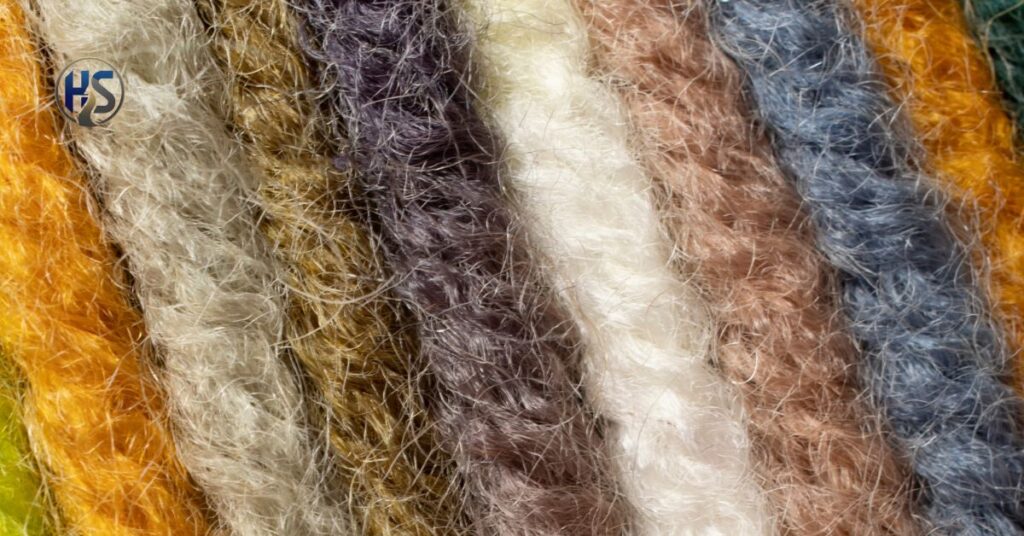

Wollmatten wool mats made from compressed sheep’s wool sit at the intersection of material science, sustainability, and practical performance. Often misunderstood as simple textile products, they are, in reality, multifunctional systems capable of regulating heat, moisture, sound, and even indoor air quality. While synthetic substitutes dominate mass markets, Wollmatten continues to outperform them where it actually matters: durability, safety, and environmental return.
This article breaks down what Wollmatten truly are, how they work at a structural level, where they outperform modern materials, and why they are gaining renewed relevance across construction, interiors, agriculture, and industry.
What Are Wollmatten—Beyond the Literal Definition
At a surface level, Wollmatten translates to “wool mats.” That definition undersells them.
Wollmatten are dense, engineered mats created by mechanically bonding natural sheep wool fibers through felting or needle-interlocking processes. Unlike woven textiles, the fibers lock together three-dimensionally, forming a stable, breathable matrix that behaves more like a technical material than a fabric.
Crucially, most Wollmatten are produced using low-grade or surplus wool fibers unsuitable for garments but exceptionally effective for insulation, absorption, and structural resilience. This transforms agricultural by-products into high-value materials instead of waste.
The Fiber Science That Makes Wollmatten Exceptional
Keratin Structure and Crimp Geometry
Sheep wool is composed of keratin, a protein with a naturally crimped structure. This crimp creates millions of microscopic air pockets once fibers are compressed into a mat. Air, not fiber, is the real insulator, and Wollmatten traps it efficiently without sealing it off.
This structure explains why Wollmatten:
- Insulate without suffocating airflow
- Perform even when damp
- Retain shape under pressure
Synthetic fibers attempt to mimic this geometry. Wool does it naturally and better.
How Wollmatten Are Manufactured (And Why It Matters)
Step 1: Scouring and Purification
Raw wool is cleaned to remove lanolin residue, salts, and particulate matter. High-quality Wollmatten retain trace lanolin, which improves moisture resistance and pest deterrence.
Step 2: Fiber Alignment and Carding
Fibers are aligned to ensure uniform density. Poor alignment creates weak spots; premium Wollmatten maintain consistent compression across the entire mat.
Step 3: Felting or Needle Bonding
Heat, moisture, pressure, or barbed needles interlock fibers mechanically. No chemical adhesives are required. This preserves wool’s natural behavior and avoids off-gassing.
Step 4: Functional Treatments (Optional)
Depending on use, Wollmatten may receive:
- Mineral-based fire resistance enhancement
- Boron-free pest deterrents
- Density tuning for acoustic or load-bearing needs
The absence of synthetic binders is not a marketing point; it is a performance advantage.
Thermal Performance: Why Wollmatten Excel in Real Conditions
Wollmatten regulate temperature rather than merely resisting it.
Unlike foam or fiberglass, which lose efficiency when exposed to moisture, wool maintains thermal resistance even when humidity rises. Wool fibers absorb water vapor into their core without collapsing air pockets. This stabilizes indoor temperatures and reduces thermal shock.
In practical terms:
- Buildings heat more slowly in summer
- Retain warmth longer in winter
- Experience fewer condensation issues
Thermal regulation, not just insulation, is where Wollmatten dominate.
Moisture Control and Mold Resistance
Wool can absorb up to 30% of its weight in moisture vapor without feeling wet or losing structure. More importantly, it releases that moisture gradually when conditions normalize.
This dynamic buffering:
- Prevents condensation behind walls
- Reduces mold growth without chemical inhibitors
- Stabilizes indoor humidity levels
Synthetic materials trap moisture. Wollmatten manage it.
Acoustic Absorption and Vibration Control
The irregular density of wool fibers makes Wollmatten highly effective sound absorbers. Instead of reflecting sound waves, they scatter and dissipate them.
They are particularly effective at:
- Reducing mid- and high-frequency noise
- Dampening vibration under machinery
- Improving speech clarity in interior spaces
This makes Wollmatten common in recording studios, shared residential buildings, and industrial environments where vibration control matters.
Fire Behavior: A Quiet Safety Advantage
Wool does not melt or drip when exposed to flame. It chars.
The high nitrogen and water content of wool fibers makes them naturally flame-resistant. Wollmatten self-extinguish once the flame source is removed and emit significantly less toxic smoke than synthetic alternatives.
This is not a treatment effect. It is an intrinsic material property.
Environmental Impact: From Production to Decomposition
Renewable and Low-Energy Production
Wool regrows annually. Its processing requires substantially less energy than petroleum-based fibers. When Wollmatten use waste or coarse wool, they reduce agricultural disposal and improve farm economics.
Biodegradability and Soil Return
At end of life, Wollmatten decompose naturally. As they break down, they release nitrogen and sulfur nutrients beneficial to soil health.
No microplastics. No persistent waste.
Where Wollmatten Are Used Today
Construction and Green Building
- Wall, roof, and floor insulation
- Acoustic panels
- Thermal underlays
Builders favor Wollmatten in projects prioritizing durability, indoor air quality, and long service life.
Interior Design and Living Spaces
- Floor mats and rugs
- Sound-dampening wall elements
- Thermal comfort layers
They provide tactile warmth without synthetic feel.
Agriculture and Landscaping
- Weed suppression mats
- Moisture-retaining soil covers
- Erosion control
As they degrade, they enrich the soil instead of polluting it.
Industrial and Technical Applications
- Vibration damping
- Filtration layers
- Protective padding
Here, performance not aesthetics drives adoption.
Wollmatten vs Synthetic Mats: A Direct Comparison
Longevity: Wool fibers flex under stress; synthetics fatigue and fracture.
Moisture Behavior: Wool buffers humidity; synthetics trap it.
Fire Safety: Wool chars; synthetics melt and drip.
End of Life: Wool returns to soil; synthetics persist for centuries.
Cost comparisons often ignore lifecycle value. Wollmatten win over time.
Debunking the Persistent Myths Around Wollmatten Performance
Wollmatten are often dismissed due to outdated assumptions rather than evidence. A common belief is that wool-based materials degrade quickly or underperform in demanding environments. In reality, compressed wool fibers are highly resilient, maintaining structure and functionality for decades when properly processed. Another misconception suggests wool traps moisture and causes decay; in practice, it actively regulates humidity, reducing mold risk. These myths persist largely because synthetic alternatives dominate marketing not because Wollmatten fail under real-world conditions.
The Quiet Industry Transition Reshaping Material Choices
The shift toward Wollmatten is not driven by trends or aesthetics but by performance data and long-term cost efficiency. Architects, builders, and manufacturers are reassessing materials that solve multiple problems simultaneously thermal control, moisture regulation, fire safety, and durability without added complexity. As regulations tighten and lifecycle accountability becomes unavoidable, materials that age well and create fewer downstream risks are gaining preference. Wollmatten fit this transition precisely, which explains their steady adoption despite minimal media attention or aggressive promotion.
Conclusion
Wollmatten succeed where many modern materials quietly fail. They regulate heat instead of fighting it, manage moisture instead of trapping it, and improve safety without chemical dependence. Their strength lies in balance—performance, durability, and environmental return working together rather than competing. As industries move toward materials that must justify their entire lifecycle, Wollmatten stand out as a proven, resilient solution. They are not an alternative anymore; they are a benchmark for how natural materials should perform in demanding, real world conditions.
FAQs
Q. Are Wollmatten suitable for long-term structural use?
Yes. Properly manufactured Wollmatten retain performance and structural integrity for decades.
Q. Do Wollmatten lose insulation when exposed to moisture?
No. Wool maintains thermal performance even when absorbing humidity.
Q. Are Wollmatten safe in fire-prone environments?
Yes. Wool naturally chars and self-extinguishes rather than melting or dripping.
Q. Can Wollmatten replace synthetic insulation materials?
In many applications, they outperform synthetics in durability, safety, and comfort.
Q. Are Wollmatten environmentally responsible at end of life?
Yes. They biodegrade naturally and return nutrients to the soil without pollution.