
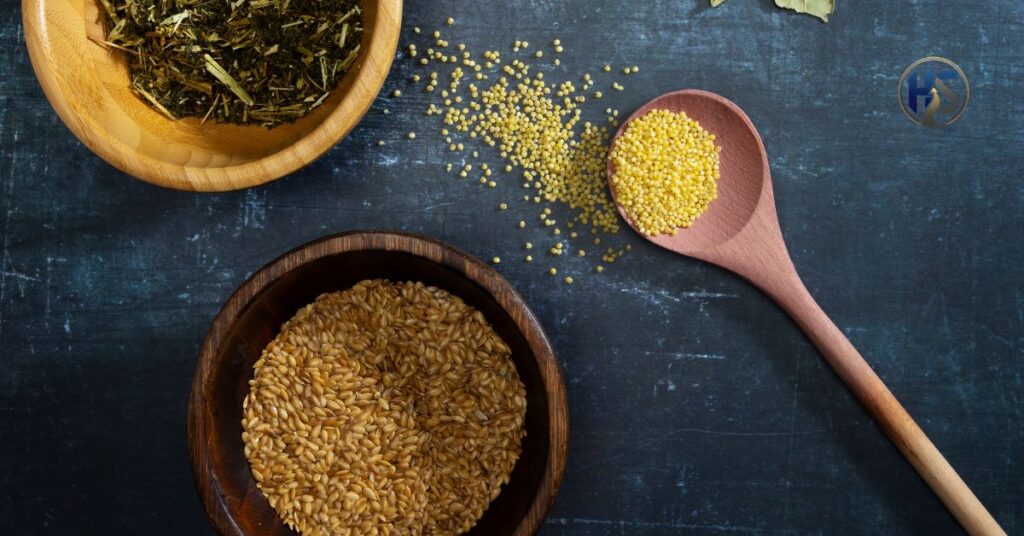

Fenugreek (Trigonella foenum-graecum) is one of the most extensively studied medicinal herbs in the world, valued for its dual role as both a therapeutic plant and a functional food. Used for centuries across Ayurvedic, Unani, and traditional Mediterranean medicine, fenugreek has gained renewed scientific attention for its role in blood sugar regulation, hormonal balance, digestive health, and cardiovascular support.
In modern nutrition science, fenugreek is classified as a metabolic-support herb, meaning it directly influences glucose metabolism, lipid profiles, appetite regulation, and inflammatory pathways. This article provides a comprehensive, evidence-based exploration of fenugreek—its composition, mechanisms of action, health benefits, clinical relevance, and safe usage.
What Is Fenugreek?
Fenugreek is an annual leguminous plant belonging to the Fabaceae family. Both its seeds and leaves are used medicinally and nutritionally. The seeds are the most potent part, containing bioactive compounds responsible for fenugreek’s therapeutic effects.
Basic Botanical Profile
- Scientific name: Trigonella foenum-graecum
- Plant family: Fabaceae
- Primary parts used: Seeds, leaves
- Native regions: South Asia, Middle East, Mediterranean
- Taste profile: Bitter, nutty, mildly sweet when cooked
Nutritional and Bioactive Composition
Fenugreek’s health value comes from its dense concentration of fiber, phytochemicals, and minerals.
Key Active Compounds
- Galactomannan (soluble fiber): Regulates blood sugar and appetite
- Saponins: Support hormone modulation and cholesterol reduction
- 4-Hydroxyisoleucine: Enhances insulin secretion
- Alkaloids (trigonelline): Improves glucose metabolism
- Polyphenols: Provide antioxidant and anti-inflammatory effects
Micronutrient Content
- Iron
- Magnesium
- Potassium
- Vitamin B6
- Manganese
- Plant-based protein
This composition makes fenugreek both nutritionally functional and medicinally active.
Scientifically Supported Health Benefits of Fenugreek
Blood Sugar Regulation and Diabetes Support
Fenugreek is one of the most researched herbs for type 2 diabetes management.
Mechanisms:
- Slows carbohydrate absorption via soluble fiber
- Improves insulin sensitivity
- Stimulates insulin release from pancreatic cells
Clinical studies show regular fenugreek consumption can reduce fasting blood glucose, post-meal glucose spikes, and HbA1c levels when combined with diet and lifestyle management.
Digestive Health and Gut Function
Fenugreek has traditionally been used to support digestion and intestinal comfort.
Benefits include:
- Improved bowel regularity
- Reduced acid reflux and gastritis symptoms
- Protection of gastric mucosa
- Prebiotic effects that support gut microbiota
Its mucilaginous fiber coats the digestive tract, providing a soothing and protective effect.
Hormonal Balance and Reproductive Health
Fenugreek contains natural phytoestrogens and steroidal saponins, making it beneficial for hormonal regulation.
In men:
- Supports testosterone activity
- Enhances libido and physical vitality
- May improve strength and body composition
In women:
- Helps regulate menstrual discomfort
- Supports hormonal stability
- Traditionally used to enhance lactation
Lactation Support
Fenugreek is one of the most widely used natural galactagogues.
- Increases milk production in breastfeeding mothers
- Acts by stimulating sweat glands (which are biologically related to mammary glands)
- Often used under professional guidance for postpartum nutrition
Cardiovascular and Cholesterol Health
Fenugreek supports heart health through multiple pathways:
- Lowers LDL (bad cholesterol)
- Reduces triglyceride levels
- Improves lipid metabolism
- Supports arterial health through antioxidant activity
Its fiber binds bile acids, promoting cholesterol excretion and reducing overall cardiovascular risk
Weight Management and Appetite Control
Fenugreek’s soluble fiber expands in the stomach, leading to:
- Increased satiety
- Reduced appetite
- Better portion control
It supports metabolic efficiency, making it useful for individuals focused on weight and blood sugar balance.
Anti-Inflammatory and Immune Support
Fenugreek’s polyphenols and flavonoids help:
- Reduce systemic inflammation
- Neutralize free radicals
- Support immune resilience
- Protect cells from oxidative damage
These effects contribute to long-term disease prevention.
Fenugreek in Traditional Medicine Systems
- Ayurveda: Used for digestion, diabetes, joint health, and vitality
- Unani medicine: Prescribed for respiratory and inflammatory conditions
- Middle Eastern medicine: Considered a strengthening tonic
- Traditional Chinese medicine: Used to warm the body and support kidney energy
Its cross-cultural use strengthens its credibility as a time-tested medicinal plant.
Culinary Uses of Fenugreek
Fenugreek is widely used in global cuisines:
- Indian curries and spice blends
- Middle Eastern stews
- Mediterranean breads
- Fenugreek leaves (methi) in vegetables and flatbreads
Cooking reduces bitterness and enhances its mild, maple-like aroma.
Forms and Supplementation
Fenugreek is available as:
- Whole seeds (soaked or cooked)
- Powder
- Capsules
- Herbal tea
- Liquid extracts
Whole food forms are generally preferred for long-term health benefits.
Safety, Dosage, and Considerations
Fenugreek is safe for most people when used responsibly.
Possible Side Effects
- Mild bloating or gas
- Maple-like odor in sweat or urine
- Temporary digestive discomfort
Precautions
- Diabetics should monitor blood sugar closely
- May interact with blood-thinning medications
- Avoid high medicinal doses during pregnancy unless advised by a professional
Conclusion
Fenugreek stands as a clinically validated, nutritionally rich medicinal herb with broad applications in metabolic health, hormonal balance, digestion, and cardiovascular support. Its unique combination of soluble fiber, amino acids, and bioactive phytochemicals makes it one of the most effective natural tools for modern wellness challenges.
For individuals seeking evidence-based, natural health solutions, fenugreek represents a powerful yet accessible option. When used consistently and responsibly, it supports the body’s natural regulatory systems—revealing the hidden strength of traditional medicine backed by modern science.