
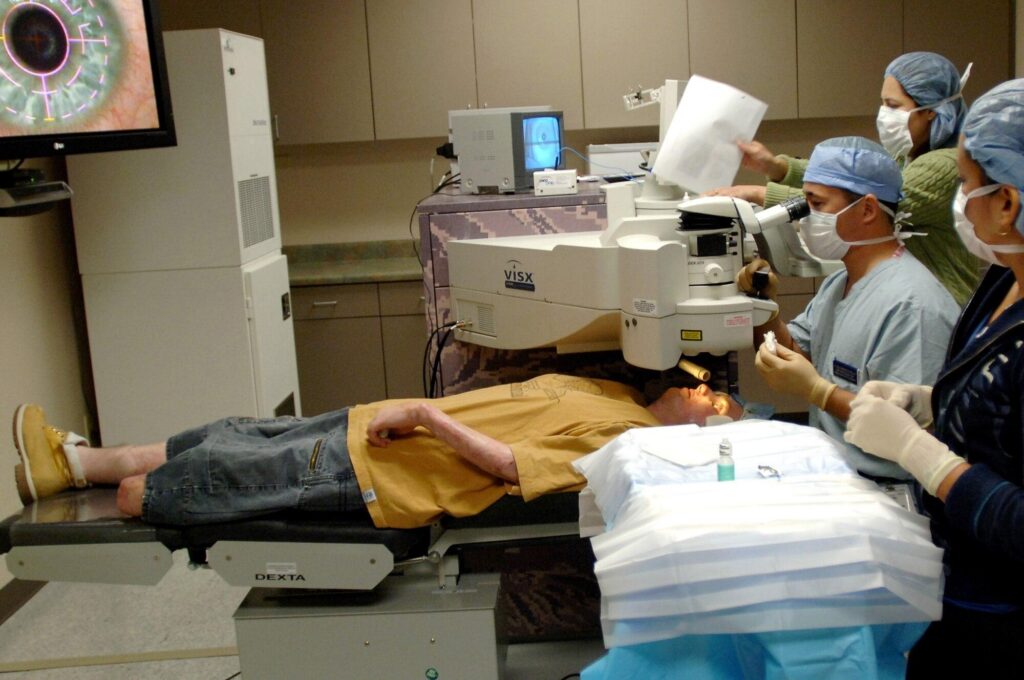

Cataract surgery has advanced far beyond simply restoring basic clarity. Today, it also offers the opportunity to improve how people see at different distances. One of the newer developments in this field is the use of lenses designed to provide a broader, more natural range of vision.
Extended depth lenses are part of this progress. They are designed to improve how the eye focuses across multiple distances, offering a different approach compared to traditional lens options. Understanding how these lenses work can help patients make more informed decisions about their vision care.
What Happens During Cataract Surgery
Cataracts develop when the eye’s natural lens becomes cloudy, affecting how light reaches the retina. This leads to blurred vision, reduced contrast, and difficulty seeing clearly in different lighting conditions. During surgery, the cloudy lens is removed and replaced with a clear artificial one.
The artificial lens, known as an intraocular lens, restores the eye’s ability to focus light. While this improves clarity, the type of lens chosen determines how well a person sees at different distances.
This is why lens selection is such an important part of the procedure.
Understanding Traditional Lens Options
Standard intraocular lenses are typically monofocal, meaning they are designed to focus at one distance. Most commonly, they provide clear distance vision, leaving near tasks such as reading to be corrected with glasses.
Multifocal lenses offer multiple focal points, allowing for both near and distance vision. However, they can sometimes create visual effects such as glare or halos, especially in low-light conditions.
These differences have led to the development of newer lens designs that aim to balance clarity and comfort.
How Extended Depth Lenses Work
Extended depth lenses are designed to create a continuous range of focus rather than distinct focal points. Instead of dividing light into separate zones, they stretch the focus area, allowing for smoother transitions between distances.
This approach can improve intermediate vision, which is important for activities like using a computer or viewing objects at arm’s length. It also helps reduce the abrupt changes in focus that some people experience with other lens types.
For those exploring this option, this resource on extended depth lenses provides further insight into how these lenses support modern cataract treatment.
Benefits for Everyday Activities
One of the main advantages of extended depth lenses is their ability to support a more natural visual experience. Many individuals find that they can perform daily tasks with greater ease, especially those that require intermediate vision.
While these lenses may not completely eliminate the need for reading glasses, they often reduce dependence on corrective eyewear. This can make daily routines more convenient and comfortable.
The smoother transition between distances also contributes to improved visual comfort.
Factors to Consider When Choosing a Lens
Selecting the right lens involves considering lifestyle, visual preferences, and overall eye health. Some people prioritize distance vision, while others value the ability to see clearly at multiple ranges.
Activities such as reading, driving, or working on digital devices can influence which lens is most suitable. A detailed discussion with an eye care professional helps align these preferences with the available options.
Each lens type offers different benefits, and understanding these differences supports better decision-making.
Adapting to a New Visual Experience
After cataract surgery, the eye needs time to adjust to the new lens. Vision may improve quickly, but full adaptation can take several weeks. During this period, the brain learns how to interpret visual signals from the artificial lens.
Some individuals notice changes in how they perceive distance or depth. These adjustments are typically temporary and improve as the visual system adapts.
Following post-surgery care instructions helps support a smooth transition.
The Role of Binocular Vision
Clear vision depends on how both eyes work together. When one eye has been affected by cataracts, the balance between the eyes can change. After surgery, the brain must readjust to this new balance.
Understanding how both eyes contribute to vision is explored in this article on binocular vision function, which highlights how coordination between the eyes affects clarity and comfort.
This adjustment process is an important part of achieving stable vision.
When Blurry Vision May Still Occur
Even after successful cataract surgery, some individuals may experience temporary blurriness. This can be part of the normal healing process or related to other factors such as dry eye or residual refractive error.
In some cases, vision may vary before stabilizing fully. Understanding these possibilities helps reduce concern during recovery.
For additional information on causes of blurred vision, this resource from Business Insider provides a broader overview of factors that can affect clarity.
Long-Term Vision After Cataract Surgery
Once the eye has healed and adapted, vision typically becomes stable. Extended depth lenses can provide a balanced visual experience that supports a range of daily activities. Many people find that they can rely less on glasses and enjoy greater visual independence.
Regular eye exams remain important for maintaining long-term eye health. Monitoring changes over time helps ensure that vision stays clear and comfortable.
Healthy habits, such as protecting the eyes from excessive sunlight, also support lasting results.
Conclusion
Extended depth lenses represent an important advancement in cataract surgery, offering a more continuous range of vision and improved comfort. By understanding how these lenses work and how they differ from traditional options, patients can make more informed choices about their care.
With the right lens selection and proper follow-up care, cataract surgery can provide not only clearer vision but also a more natural and convenient visual experience in everyday life.