
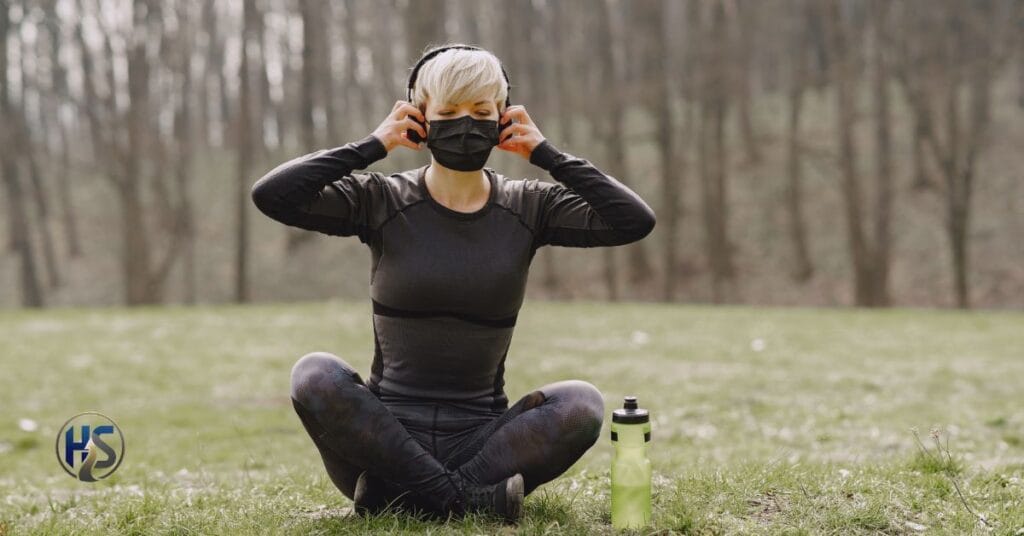

Mental health exercises are intentional, structured activities designed to improve emotional balance, reduce stress, enhance cognitive function, and build resilience against life’s challenges. These exercises go beyond simple self-care—they actively train your mind and nervous system, rewiring neural pathways to manage emotions, improve focus, and support long-term psychological well-being. Practicing them consistently increases mental clarity, stabilizes mood, enhances sleep quality, strengthens the mind-body connection, and fosters emotional resilience, making them essential for anyone seeking sustainable mental health in today’s fast-paced, high-stress environment.
Medical Disclaimer: This article is for informational purposes only. It does not replace professional medical advice, diagnosis, or treatment. If you have severe mental health concerns, consult a licensed mental health professional.
Understanding Mental Health Exercises
Mental health exercises are structured practices that help your brain and nervous system respond better to stress, improve emotional regulation, and support cognitive flexibility. They combine evidence-based psychological techniques with physiologically impactful exercises like breathing, movement, and relaxation. Research shows that even a few minutes daily can enhance neuroplasticity, reduce stress hormones, and boost mood-regulating neurotransmitters such as serotonin, dopamine, and GABA. These exercises are scientifically proven to increase focus, improve decision-making, and promote calmness in daily life.
Why Mental Health Exercises Are Essential
Mental health exercises are not optional—they are vital for modern life. Daily stress, long working hours, and social pressures can strain the nervous system and lead to anxiety, depression, or burnout. These exercises:
- Train your mind to respond calmly to challenges
- Improve emotional awareness and decision-making
- Support physical health by reducing cortisol and improving sleep
- Increase resilience and mental clarity for daily tasks
By incorporating these exercises, you create a proactive strategy for preventing mental health decline, rather than waiting for problems to escalate.
Mindful Breathing: Regulate Your Nervous System
Mindful breathing is a cornerstone of mental health training. By focusing attention on the breath, you activate the parasympathetic nervous system, lowering stress and calming the mind. Clinical studies demonstrate that regular practice can reduce anxiety, improve attention, and stabilize heart rate variability.
How to Practice: Sit comfortably, inhale through your nose for 4 seconds, hold for 2 seconds, and exhale slowly for 6 seconds. Repeat for 5–10 minutes daily. Pairing this with a gratitude statement enhances emotional regulation further.
Progressive Muscle Relaxation (PMR)
PMR helps reduce bodily tension and anxiety by consciously tightening and releasing muscle groups. It trains awareness of physical stress signals and fosters relaxation. Clinically, PMR is used for insomnia, generalized anxiety, and somatic symptom management.
Exercise Steps:
- Lie down or sit comfortably
- Tense each muscle group (feet, legs, abdomen, arms, shoulders, face) for 5 seconds
- Release and notice the contrast in tension
- Breathe slowly and mindfully
Benefits: Reduces somatic tension, improves interoception, and enhances sleep quality.
Journaling for Emotional Clarity
Writing down thoughts and feelings is a powerful mental health exercise. Journaling helps process emotions, identify negative patterns, and reinforce positive thinking. Evidence suggests that expressive writing reduces rumination, supports cognitive restructuring, and enhances resilience.
Daily Practice: Spend 10 minutes reflecting on emotional triggers, coping strategies, and gratitude. This combination of self-reflection and gratitude strengthens psychological well-being.
Cognitive Restructuring: Reframe Negative Thoughts
Cognitive restructuring is a technique from cognitive behavioral therapy (CBT) designed to challenge and modify unhelpful thoughts. It improves emotional responses and behavior.
Exercise:
- Identify a stressful thought, such as “I always fail.”
- Examine evidence for and against the thought
- Replace it with a balanced perspective (“I’ve succeeded many times; setbacks are normal. ”)
Benefits: Reduces depressive thinking, improves resilience, and strengthens problem-solving skills.
Grounding Techniques for Anxiety
Grounding exercises are practical tools to manage acute anxiety or panic attacks. They help you reconnect with the present and reduce overwhelming thoughts.
Example: 5‑4‑3‑2‑1 Technique
- 5 things you can see
- 4 things you can touch
- 3 things you can hear
- 2 things you can smell
- 1 thing you can taste
Outcome: Provides immediate anxiety relief and enhances emotional control.
Physical Movement for Mental Health
Physical activity is a proven enhancer of mental well-being. Movement increases endorphins, reduces stress hormones, and improves sleep and cognitive function. Integrating mind-body exercises amplifies benefits by combining physical movement with mindfulness.
Recommended Practices:
- Brisk walking or jogging
- Yoga or Tai Chi
- Stretching or dancing
Benefits: Improves mood, reduces stress, and supports neuroplasticity.
Expert Insight: Neuro-Physio Integration for Mental Health
From my experience as a clinical psychologist and physiotherapist trainer, combining cognitive exercises with physical movement accelerates mental health benefits. Integrating mind-body practices like yoga, tai chi, or guided movement with mindfulness or CBT exercises not only improves emotional regulation but also enhances brain connectivity, vagal tone, and motor-cognitive coordination. This integrated approach can significantly reduce anxiety, improve mood, and optimize overall well-being faster than isolated cognitive or physical practices alone, making it a highly effective strategy for modern mental health.
Daily Mental Health Routine: A Practical Template
Consistency is key. Here’s a routine based on clinical practice and neuroscience:
Morning (10–15 min): Mindful breathing + gratitude journaling
Afternoon Break (5–7 min): Grounding technique or short walk
Evening (10 min): Progressive muscle relaxation + reflective journaling
Small, structured habits create significant improvements in mental resilience over weeks and months.
Signs You Need Professional Support
While mental health exercises are effective for most people, professional guidance is crucial if
- Persistent sadness, hopelessness, or panic
- Thoughts of self-harm or suicide occur
- Daily functioning is impaired by anxiety, trauma, or depression
- Sudden changes in behavior or mood appear
A licensed clinician can personalize exercises, integrate therapy, or recommend medication if needed.
Conclusion
Mental health exercises are essential tools for building resilience, improving mood, and enhancing cognitive function. Practiced consistently, they create neurobiological changes that support lifelong mental wellness. Integrate mindful breathing, journaling, physical activity, and CBT-based exercises into your daily routine to strengthen both mind and body. In 2026, the most effective mental health strategy combines clinical expertise, practical exercises, and consistent practice, giving you the foundation for emotional stability, clarity, and resilience.
FAQs
Q. How long should I practice mental health exercises daily?
Even 5–15 minutes daily can produce measurable improvements in mood, focus, and resilience.
Q. Which exercises are best for stress and anxiety?
Mindful breathing, PMR, and grounding techniques are most effective for immediate relief.
Q. Can movement improve mental health?
Absolutely. Regular exercise boosts endorphins, improves sleep, and reduces cortisol.
Q. Are mental health exercises a replacement for therapy?
No. They complement therapy and self-care but cannot replace professional evaluation for serious mental health conditions.